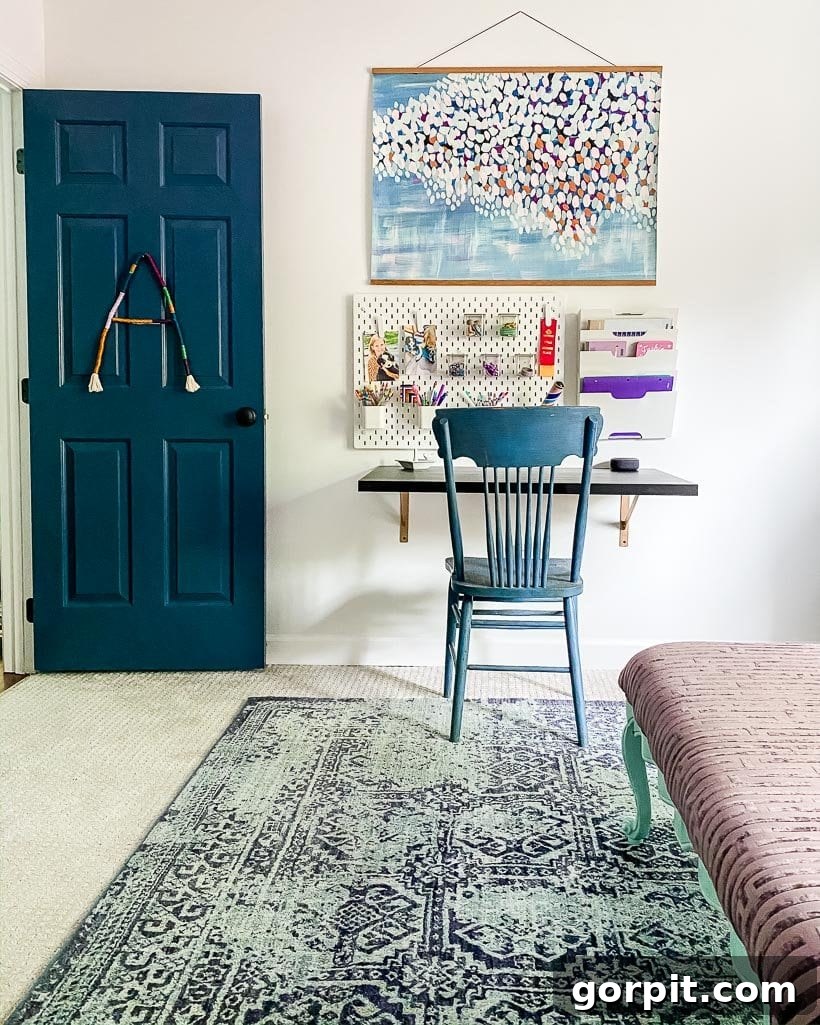
Elevate Your Home Decor: The Ultimate Guide to Layering Area Rugs Over Carpet
A question I frequently encounter in home design is, “Can area rugs really go on carpet?” My answer is an enthusiastic yes! In fact, I wholeheartedly endorse the practice of layering area rugs over existing wall-to-wall carpet. It’s an incredibly effective and often overlooked method for injecting personality, dynamic color, captivating patterns, and rich texture into any room. Far from being a design faux pas, strategically placed area rugs can transform a drab carpeted space into a sophisticated and inviting sanctuary.
While the idea of placing an area rug on carpet might seem counterintuitive to some, it offers a wealth of benefits beyond just aesthetics. It’s a fantastic way to refresh your interiors, define distinct zones within an open-plan layout, and even extend the life of your underlying carpet. However, to ensure your layered rug setup looks its best and performs its function effectively, there are crucial considerations. This comprehensive guide will walk you through the essential dos and don’ts of using area rugs on carpet, empowering you to create a stylish and functional home.
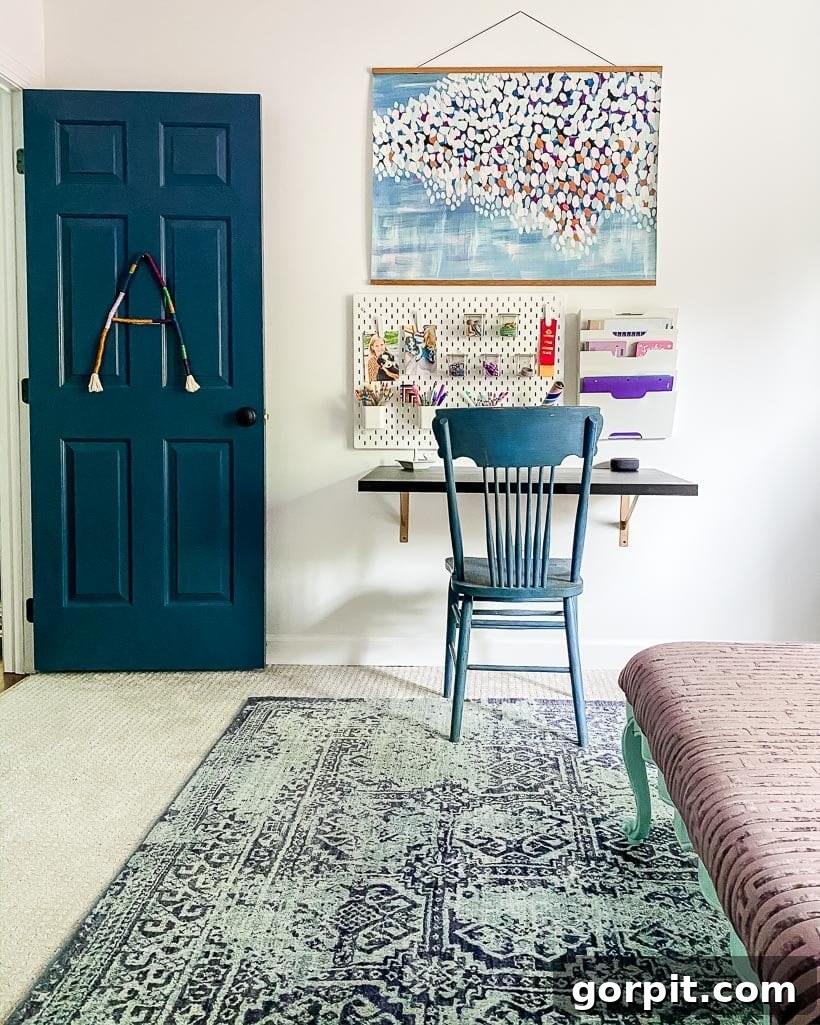
Are you one of many homeowners with carpeted floors who yearns for the vibrant color, intricate patterns, unique textures, and visual interest that an area rug can provide? Layering area rugs on carpet is truly the perfect solution. Beyond their undeniable design appeal, these rugs serve to beautifully define and anchor spaces within your home, creating a sense of purpose and cohesion that wall-to-wall carpeting alone often can’t achieve.
The benefits of incorporating an area rug into a carpeted room extend far beyond just enhancing design aesthetics. Let’s delve into some of the practical advantages of using an area rug over your existing carpet:
- Hides Imperfections: Area rugs are excellent for concealing stains, minor damage, or other imperfections on your underlying carpet that you might not have the budget or desire to replace. They provide an instant facelift without the commitment of new flooring.
- Extends Carpet Life: By covering high-traffic areas, area rugs absorb much of the wear and tear, effectively protecting your wall-to-wall carpeting and prolonging its lifespan. This is a smart investment that can save you money in the long run.
- Distracts from Unloved Carpet: If you’re stuck with carpeting you don’t particularly like, a well-chosen area rug can draw attention away from it, becoming the focal point and elevating the overall room design.
- Adds Warmth and Comfort: An extra layer of rug enhances insulation, making your room feel cozier and warmer, especially during colder months. It also adds another layer of softness underfoot.
- Improves Acoustics: Rugs help absorb sound, reducing echo and making rooms feel quieter and more peaceful. This is especially beneficial in large spaces or homes with hard wall surfaces.
Despite these numerous benefits, successfully integrating area rugs into a carpeted room can sometimes present a few challenges. That’s precisely why I’ve curated this essential list of dos and don’ts. From selecting the right rug pad to choosing colors that flawlessly complement your existing decor, I’ve got you covered with expert advice to make your layering project a resounding success.
This post contains affiliate links for your convenience. Click here for my full disclosure policy.
Need a link?
If you want to know what paint colors we have used in our current house or where we have found our furniture, art, rugs, etc., click below to find it on our home tour page!
Do Consider the Texture and Firmness of Your Underlying Carpet
The type of wall-to-wall carpet you have plays a pivotal role in determining which area rug will work best over it. This foundational layer dictates the stability and overall aesthetic of your layered rug. Understanding the nuances of different carpet textures is key to a successful pairing.
Low-Pile or Looped Carpet: The Ideal Foundation
Area rugs generally perform exceptionally well over short-pile, looped, or Berber carpets. These types of carpets offer a firm, stable base that prevents the area rug from shifting or buckling. If your home features a low-profile Berber carpet, or a similar short-pile or looped variety, you have a wide range of options. Feel free to confidently place thick, plush, or even shag rugs on top. The visual contrast between the flat, firm underlying carpet and the added softness and depth of a plush area rug creates a stunning and harmonious effect, enhancing the room’s comfort and style without compromising stability.
Medium to Plush Carpet: Choose Wisely
If your existing carpet is a plush style with a medium pile, it’s generally advisable to avoid layering it with another thick, plush area rug. When both layers are soft and yielding, the area rug won’t have the firm support it needs. This can lead to excessive movement, wrinkling, and bunching, which is not only unsightly but also creates a tripping hazard. Instead, opt for a thinner, flat-woven rug made from materials like jute, sisal, or a low-profile synthetic blend. These thinner rugs can provide a textural contrast and visual interest without adding unnecessary bulk or instability.
Long-Pile Carpets (Shag or Frieze): A Word of Caution
For very long-pile carpets, such as shag or frieze, placing an area rug on top is generally not recommended. The deep, loose fibers of these carpets simply cannot provide the firm, stable support an area rug requires. Any rug placed over them will likely sink into the pile, making it prone to significant shifting, buckling, and an uneven appearance. Unfortunately, even the most robust rug pads struggle to keep an area rug securely in place over such a soft and yielding surface. While it’s a design challenge, it’s often best to embrace the shag carpet or consider alternative flooring solutions if rug layering is a high priority.
Do Use a High-Quality Rug Pad – It’s Non-Negotiable!
One of the most persistent challenges when placing an area rug over carpet is preventing it from slipping, buckling, or bunching up. These issues are not only aesthetically displeasing but also pose a significant tripping hazard, compromising the safety of your home. To truly master the art of layering rugs on carpet, it is absolutely crucial to use a rug pad specifically designed for this purpose. Through years of experimentation with various rug pads, I’ve discovered which ones offer the best performance in this unique situation.
Rug Pads for Area Rugs Over Carpet
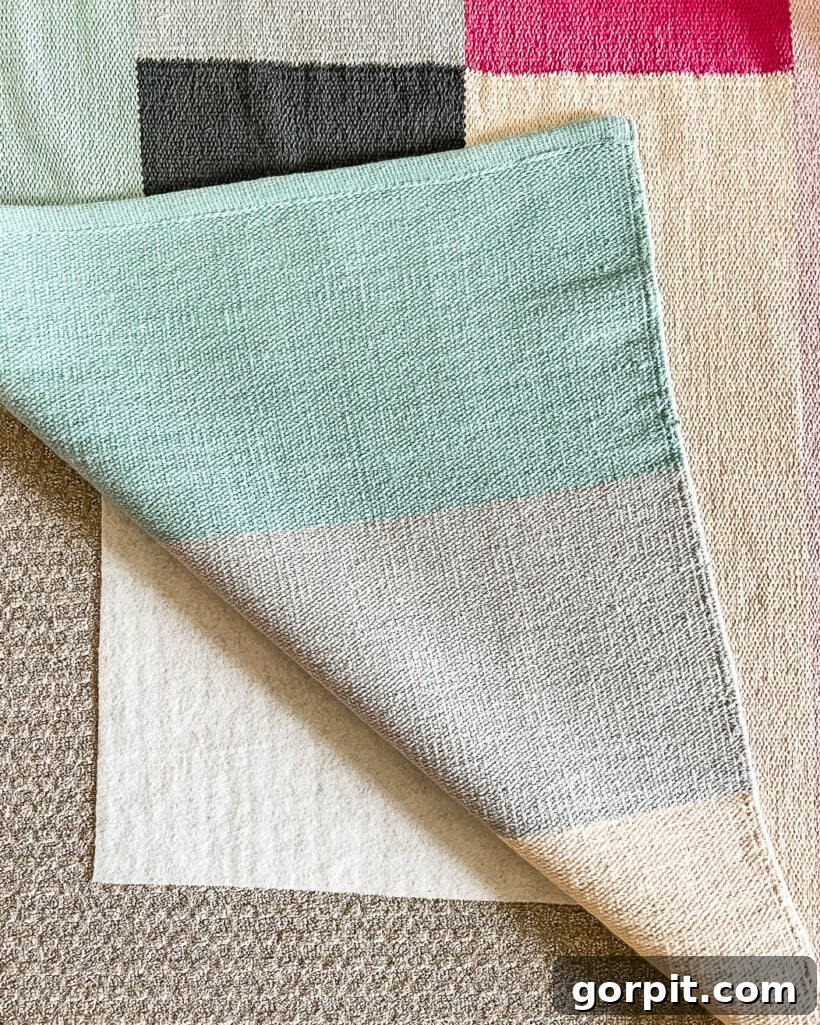
For thin, woven area rugs on top of carpet
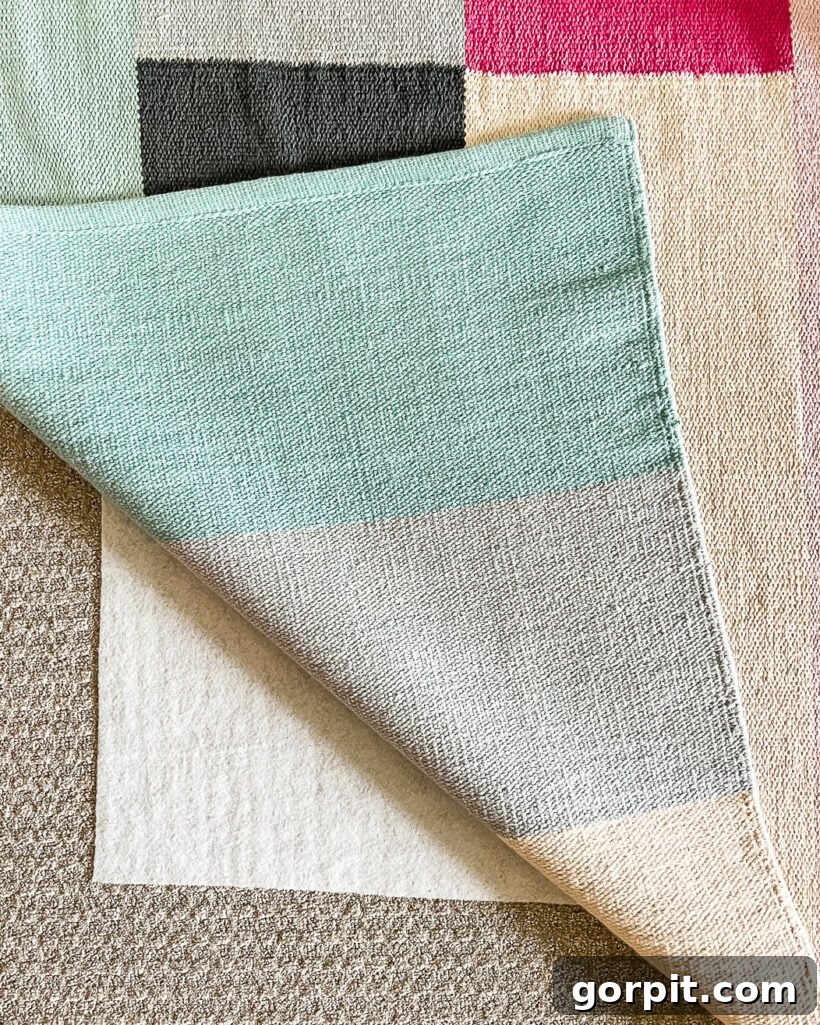
When placing a thin, woven rug (such as cotton, wool, or flat-weave synthetics) on top of carpet, this particular rug pad is, by far, the best option. It’s incredibly thin and features a slightly tacky surface that firmly grips both your area rug and the underlying carpet. This unique design effectively keeps your rug securely in place, preventing frustrating wrinkling and bunching without leaving any sticky residue on your surfaces.
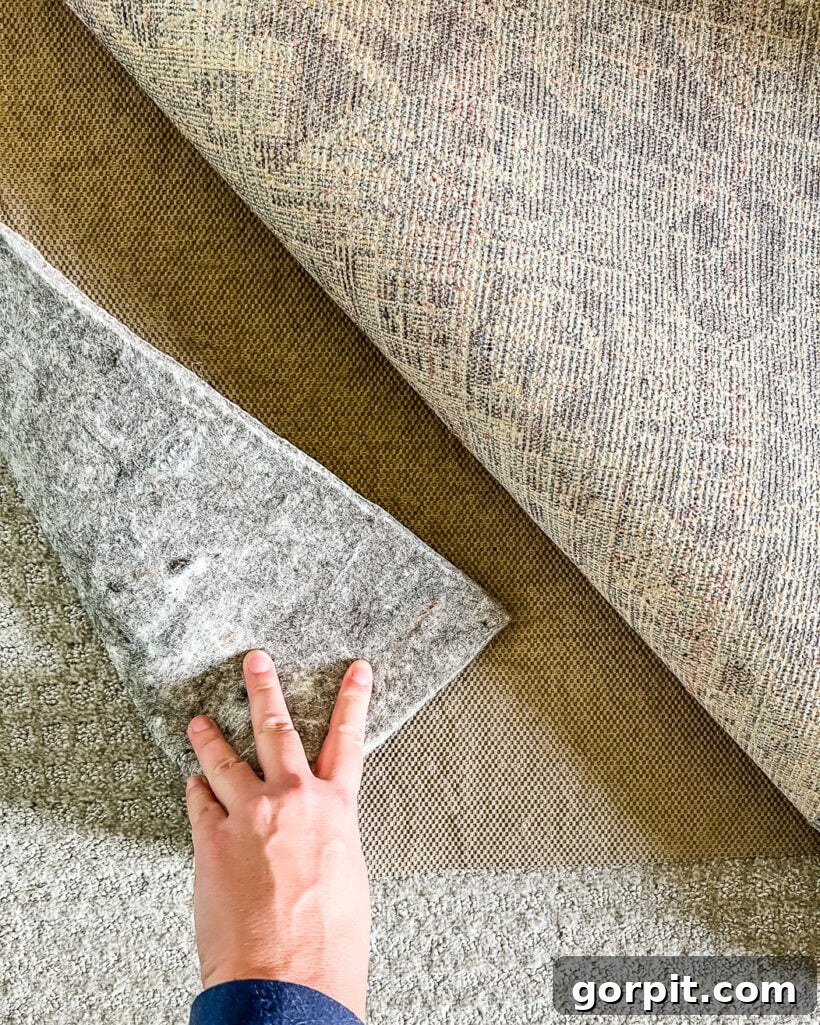
For plush area rugs on top of carpet
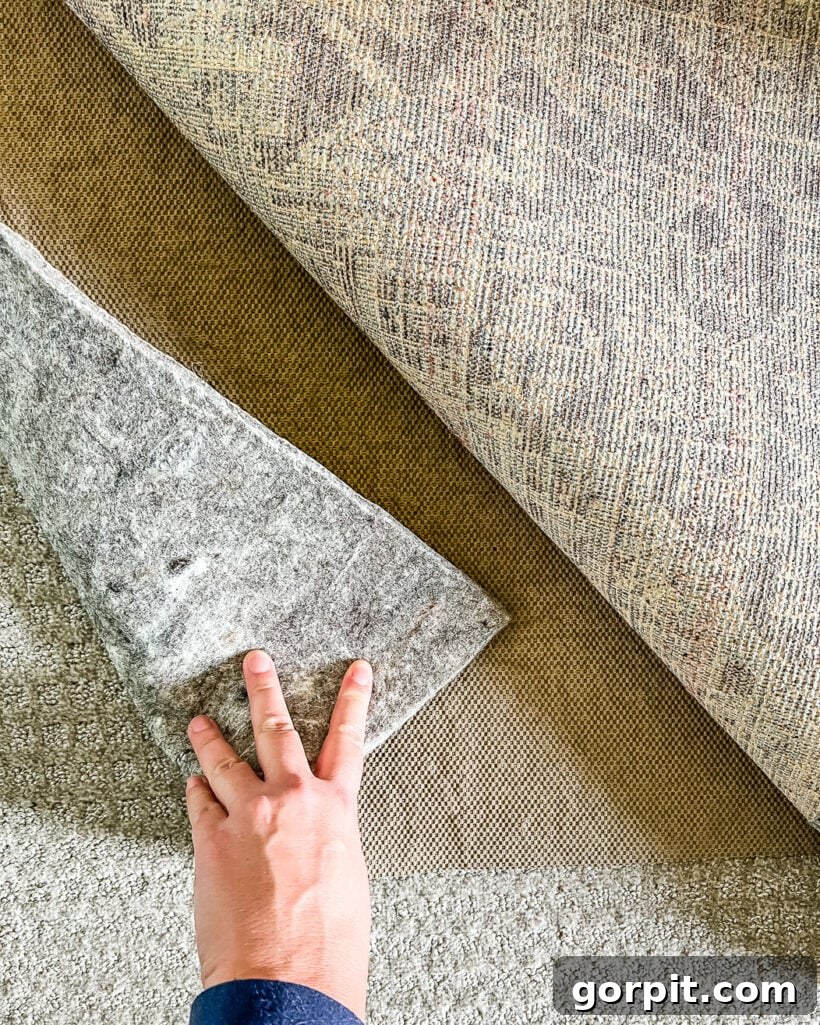
Plush area rugs inherently have more weight and body, making them less prone to wrinkles or bunching compared to thinner weaves. For these thicker rugs, I recommend using this specific rug pad. It’s designed to provide excellent cushioning and prevent sliding. It can also be used on hardwood floors, but when layering over carpet, remember to place the rubber (grippy) side against the bottom of your area rug and the felt side directly against your wall-to-wall carpet. This configuration ensures optimal stability and prevents unwanted movement.
The Best Rug Pad for Thin Woven Rugs Over Carpet
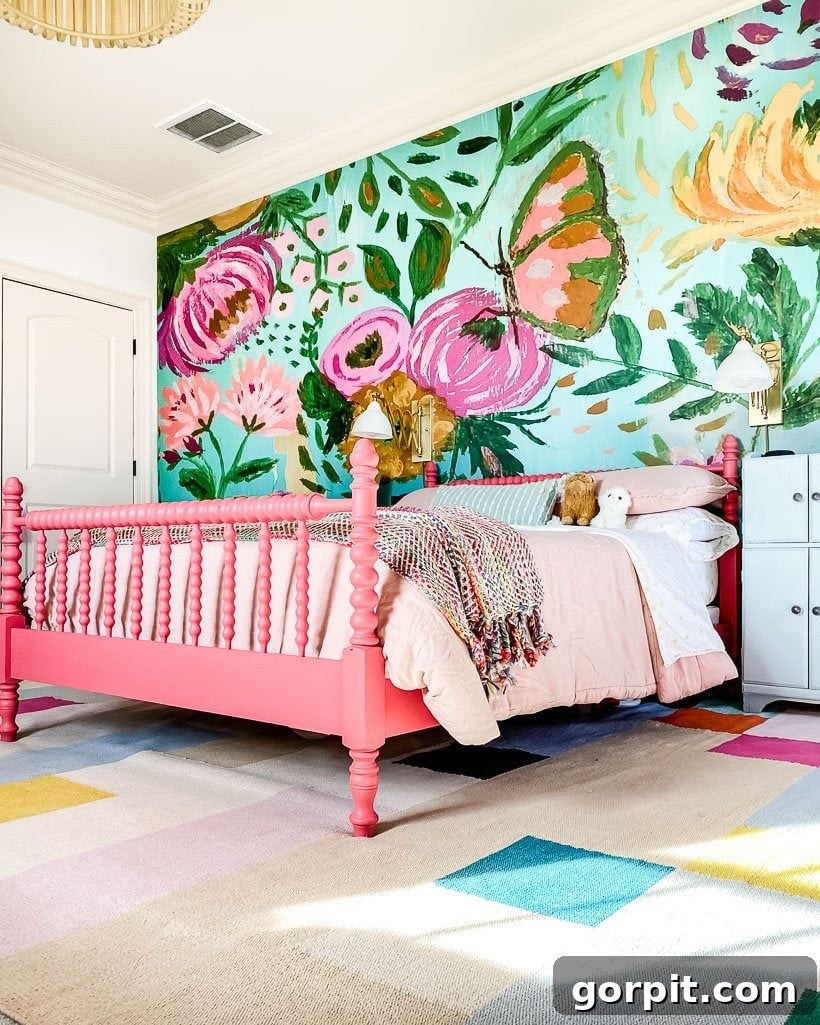
My personal experience underscores the importance of the right rug pad. When I first introduced this beautiful thin cotton area rug into my daughter Attley’s room, layering it over her existing carpet, I faced constant frustration. Despite investing in a rug pad advertised as suitable for rugs on carpet – and it wasn’t cheap – the rug persistently wrinkled and bunched up, creating a messy appearance and a tripping hazard. It was incredibly frustrating to constantly readjust it.
After thorough research and further testing, I finally ordered this specific rug pad, and the results were perfect. It’s remarkably thin and features a subtle tackiness that provides an incredible grip without leaving any residue on either your rug or your carpet. It’s an absolute game-changer for keeping thin, woven rugs flat and secure. I cannot recommend it highly enough!
The Best Rug Pad for Plush Area Rugs Over Carpet
For maintaining the position of plush area rugs over carpet, this rug pad is my top recommendation. Its thicker construction provides both excellent grip and a comfortable layer of cushioning. While versatile enough for use on hardwood floors, when layering over carpet, ensure you place the rubber side directly against the back of your area rug and the felt side down, contacting your carpet. This specific orientation maximizes its anti-slip properties on carpeted surfaces.
Other Creative Solutions for Anchoring Your Area Rug Over Carpet
Even with the most effective rug pads, some area rugs, particularly in high-traffic zones, may still try to shift or bunch. Or perhaps you’re looking for alternatives to the added expense of a rug pad. In these scenarios, several ingenious solutions can help keep your area rug firmly in place over carpet.
You can employ rug anchors, which often utilize a hook-and-loop (Velcro-like) system or a tacky adhesive to grip both the rug and the carpet. Alternatively, double-sided carpet tape offers a strong, immediate hold. I’ve used both of these methods over the years, sometimes even in conjunction with a rug pad, especially to keep the stubborn corners of area rugs flat, preventing potential trips and falls.
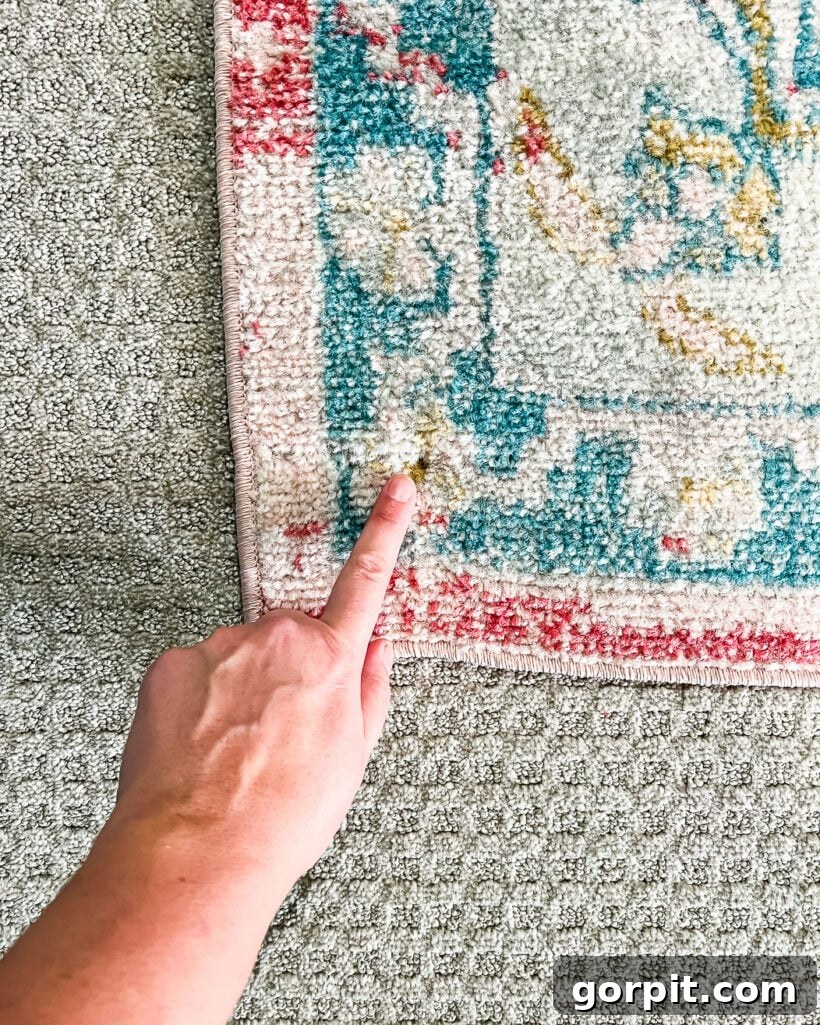
For an exceptionally durable and permanent solution, particularly with thinner rugs in very high-traffic areas, consider a method we successfully implemented in our upstairs hallway: securing the area rug to the subfloor with screws. While it might sound unconventional or even “absurd,” it is remarkably effective. We used a thin rug for which I didn’t have a rug pad and preferred not to purchase one. Given the constant activity in this hallway, carpet tape simply couldn’t withstand the wear. By carefully driving a screw through each corner of the area rug and the carpet into the subfloor, we achieved unparalleled stability. The screw heads are barely visible (as I’m pointing out in the photo below), and we haven’t experienced any damage to the underlying carpet. Be mindful, however, that this approach will result in four small, permanent holes in your area rug, so it’s best suited for situations where you’re committed to the rug’s placement.
Do Choose A Rug that Complements Your Decor and Anchors Your Space
At its core, the primary motivation for placing an area rug over carpet is often aesthetic. Whether your goal is to mask a carpet you dislike, introduce new patterns and colors, or achieve both, selecting the right rug is crucial. Your chosen area rug should seamlessly integrate with your existing decor while simultaneously making a distinct design statement, becoming a focal point or a unifying element in the room.
Ideally, you might select an area rug as your room’s “crucial element” – a foundational design principle I elaborate on in Designer in a Binder®. This allows you to then build the entire room’s design around its colors, patterns, and textures. However, if you’re introducing an area rug into an already established design, take cues from your room’s existing color scheme, patterns, and overall style. Look for rugs that feature complementary colors that enhance the current palette, or choose one with a pattern that harmonizes with and ties into the room’s overarching design narrative. The rug shouldn’t clash but rather elevate the space.
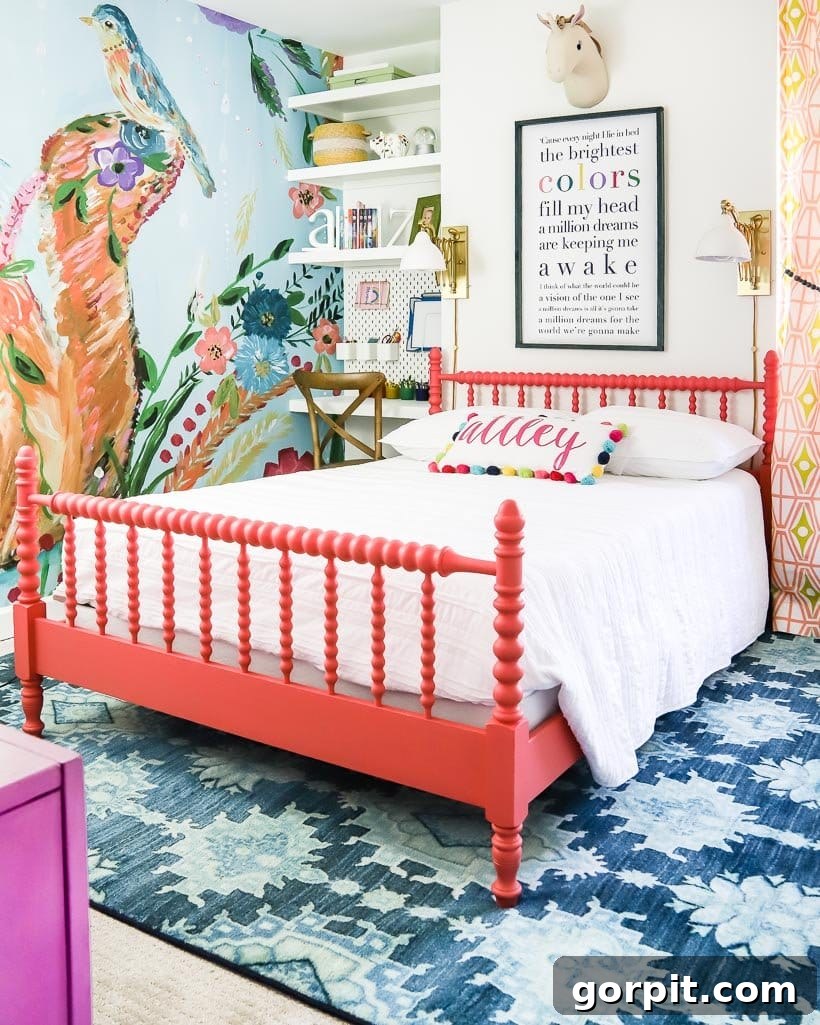
Observe how the area rug I thoughtfully selected for Attley’s old bedroom, layered over her carpet, beautifully complements the vibrant wall mural and other playful elements throughout her room. It ties everything together, making the space feel cohesive and intentional.
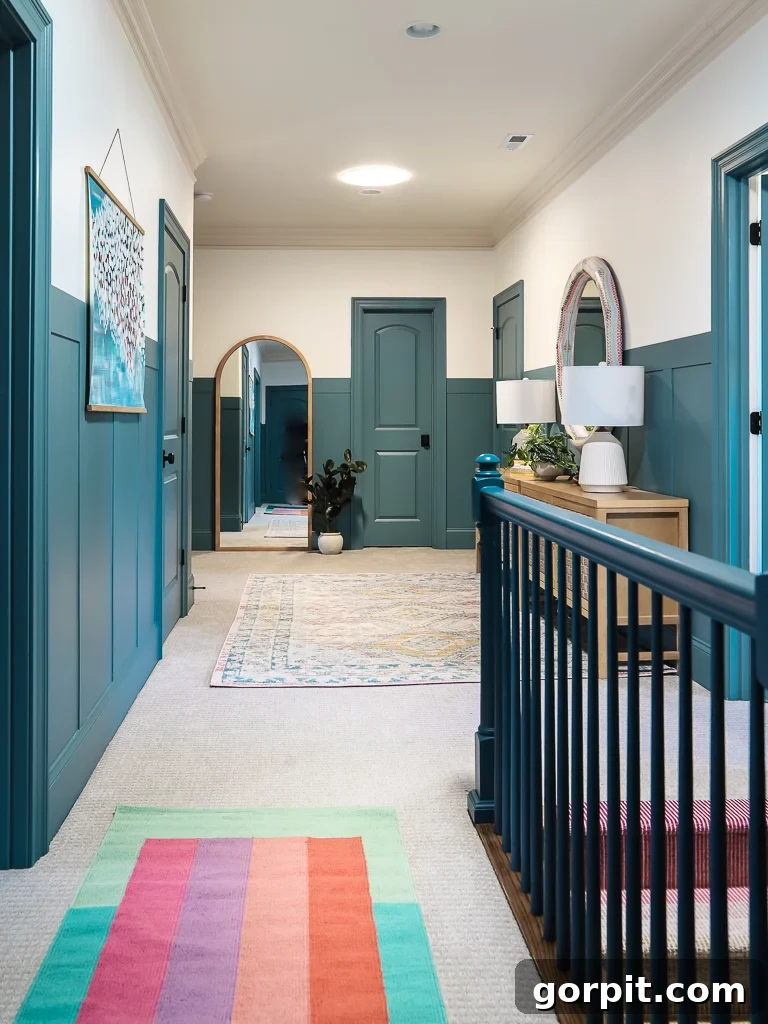
Similarly, the strategically placed area rugs we introduced into our upstairs hallway have been instrumental in defining and anchoring what was once a large and somewhat awkward space. They create a clear visual pathway and provide a sense of structure that significantly improves the area’s flow and aesthetic appeal.
Do Consider the Size and Placement of Your Rug for Optimal Impact
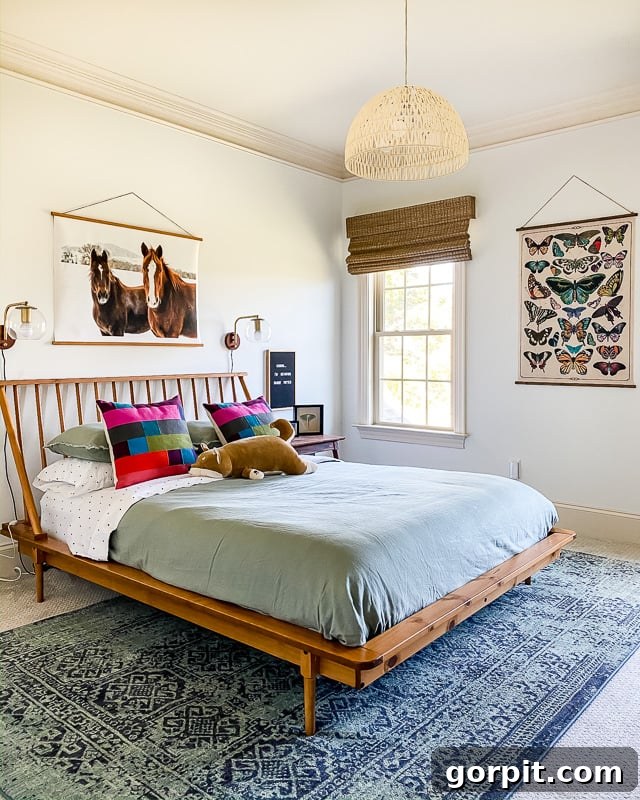
When it comes to successfully integrating area rugs over carpet, size and thoughtful placement are paramount. An improperly sized or positioned rug can easily disrupt the harmony of a room, making it feel unbalanced or incomplete. The rug’s dimensions should always be proportional to the size of the room and the furniture it interacts with. A rug that is too small for its space will appear to “float” awkwardly, failing to ground the furniture and shrinking the perceived size of the room. Conversely, a rug that is excessively large can overwhelm the space, making it feel crowded and disproportionate. Furthermore, how you arrange your furniture on and around the area rug is equally important for creating a cohesive and inviting environment. For more detailed guidance on achieving perfect rug sizing and placement in various rooms, I highly recommend exploring these dedicated posts:
- Bedroom Rug Size & Placement: Everything You Need to Know
- How To Choose The Right Rug Size For Your Living Room or Family Room
Don’t Forget to Regularly Clean Your Area Rug AND the Underlying Carpet
Once you’ve chosen and perfectly placed an area rug to complement your existing carpet and elevate your room’s design, ongoing maintenance is vital. A clean rug not only looks superior but also significantly contributes to a healthier indoor environment by minimizing the buildup of allergens, dust, and microscopic debris. Regular cleaning is essential for preserving both its beauty and its longevity.
Begin by vacuuming your area rug regularly – ideally at least once a week, and more frequently in high-traffic areas. Pay attention to the rug’s pile height and material, adjusting your vacuum’s settings accordingly to prevent damage.
Beyond routine vacuuming, I highly recommend deep cleaning your area rugs at least once a year. You don’t necessarily need to hire a professional for this! For years, I’ve successfully cleaned my own rugs and carpets using this reliable carpet cleaner. It’s an incredible, convenient tool, and I appreciate the peace of mind knowing it hasn’t been used on countless other rugs, which feels more sanitary.
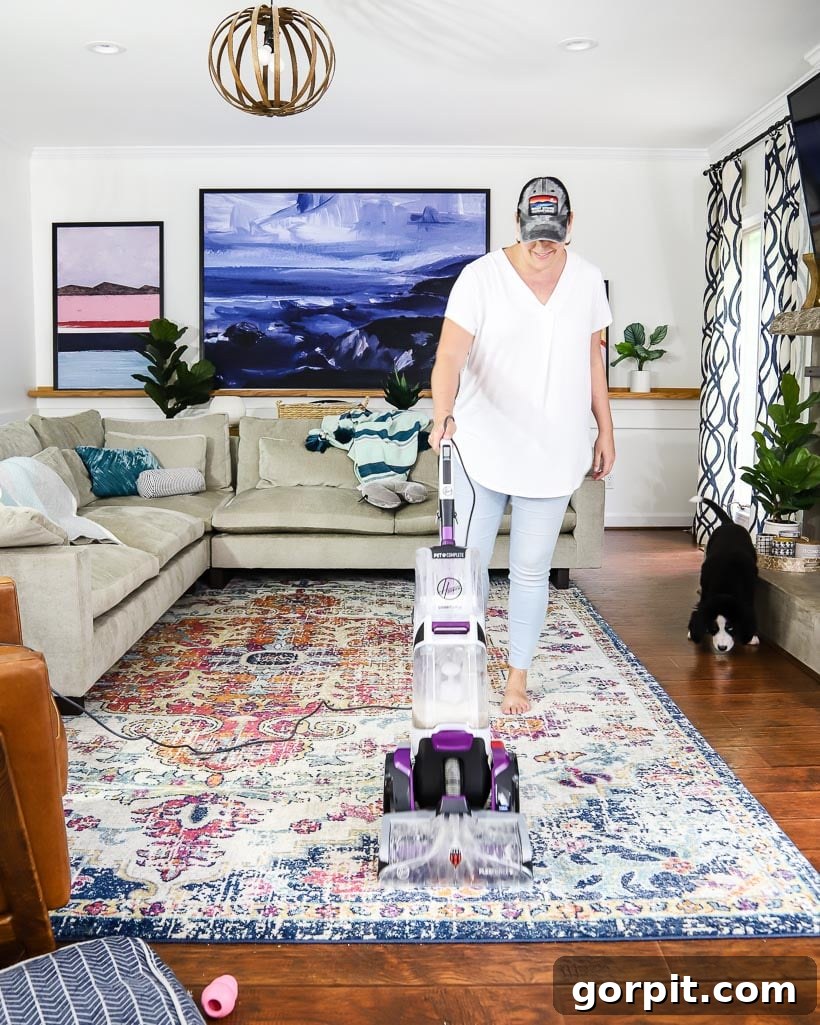
Crucially, don’t neglect the carpet beneath your area rug! Every few months, or whenever you perform a deep clean, carefully fold back your area rug as much as possible to thoroughly vacuum and/or clean the carpet underneath. You might be genuinely surprised by the amount of dirt, dust, and general nastiness that can sift through an area rug and its pad to accumulate on the underlying carpet. Addressing this ensures a truly clean and healthy living space.
Of course, immediate action is paramount for spills. If you spill something on your rug, clean it as quickly as possible. A useful trick is to place a folded towel between the area rug and the rug pad during spot cleaning. This prevents the spill from seeping through and potentially staining your underlying carpet. My absolute favorite carpet spot cleaner for quick and effective removal is Folex. It’s incredibly affordable and consistently delivers outstanding results.
By following these simple yet effective dos and don’ts, you can confidently embrace the trend of layering area rugs on carpet. This design technique will undoubtedly help you create a stunning, inviting, and highly personalized space in your home, ensuring your area rug remains securely in place and maintains its beauty for years to come!
More RUG Posts
SEE ALL rug POSTS
-
Designer Tips for Choosing Perfect Kitchen Rug Runners
-
How to Choose the Best Rug Size for Your Living Room
-
How to Install a Stair Runner: A Step-by-Step Tutorial
-
How to Keep Rug Corners Down – Tips and Tricks for Every Homeowner
-
The Best Places to Shop for Affordable Rugs
-
The Rug Pad Guide: What You Need to Know Before You Buy
Curious about my unique approach to transforming rooms and spaces throughout our home? Be sure to explore Designer in a Binder®. It’s my proven system for achieving stylish and functional designs!
And if you’re eager for exclusive content, behind-the-scenes sneak peeks, and direct insights into my design process, make sure to subscribe before you leave!