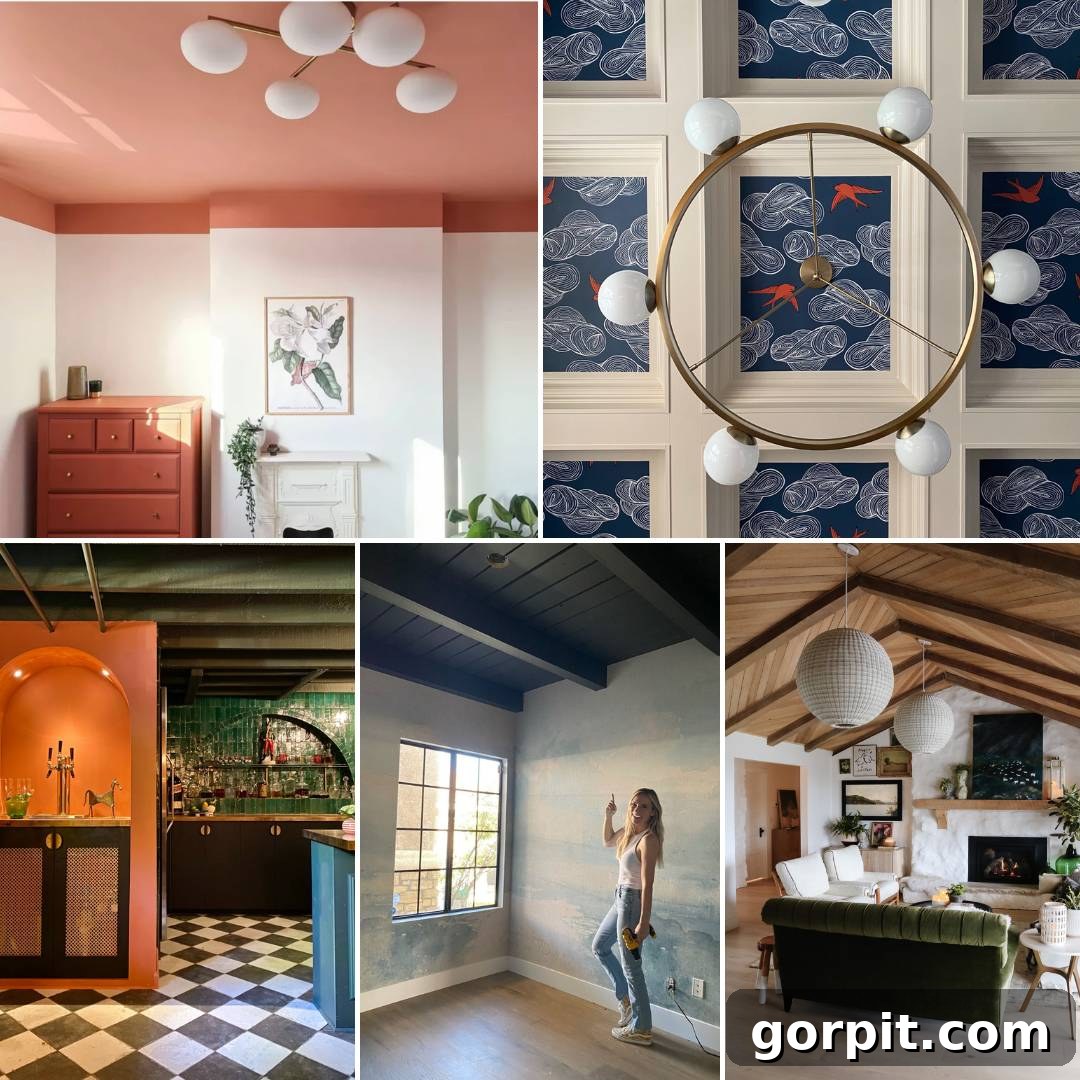
Often overlooked in the grand scheme of interior design, the ceiling of a room is frequently relegated to a mere afterthought, typically painted a standard flat white or the same shade as the wall trim. It silently recedes into the background, largely going unnoticed. However, this conventional approach misses a colossal opportunity. Savvy designers and homeowners are increasingly recognizing that the ceiling should be regarded as the “fifth wall,” a canvas brimming with potential to utterly transform a space. When given due attention, a thoughtfully designed ceiling can elevate an entire room’s aesthetic, injecting personality, sophistication, and unexpected charm. Far from being just a structural element, your ceiling can become a captivating focal point, telling a unique story and enhancing the overall ambiance of your home. This comprehensive guide will inspire you with an array of stunning ceiling ideas, demonstrating how to turn your overhead space into a design marvel and make it the star of your next renovation project.
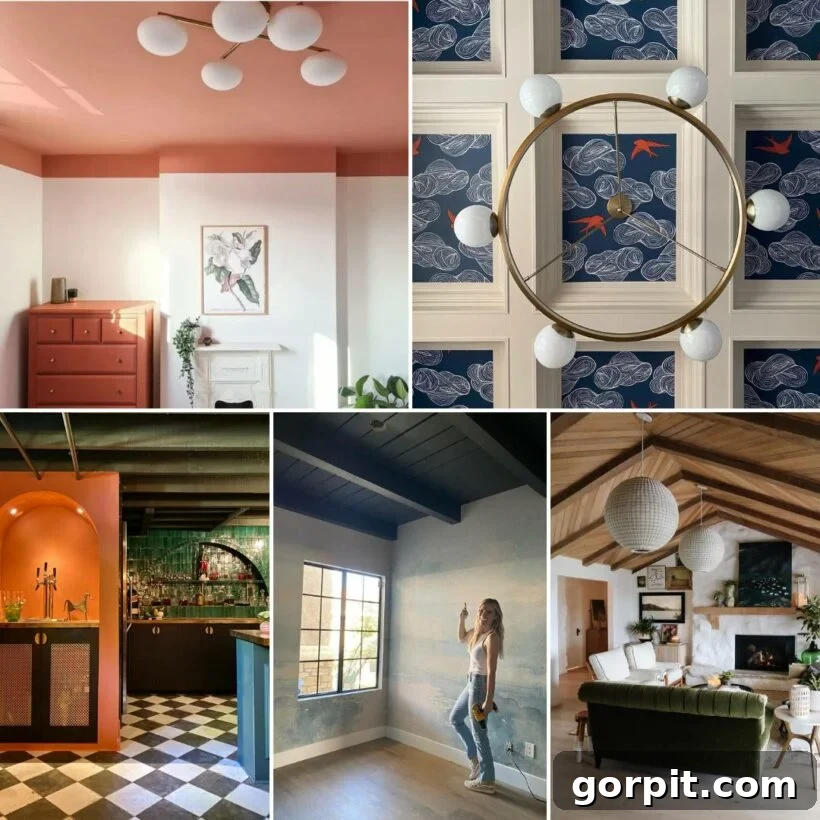
Table of Contents
Toggle
Painted Ceiling Ideas: Unleashing Color Above
Diving into ceiling transformations, the most accessible and budget-friendly starting point is undoubtedly paint. A fresh coat of paint, especially in an unexpected or contrasting hue, can instantly turn a mundane ceiling into a stunning work of art. Beyond the conventional white, a colored ceiling can add depth, define zones, or introduce a captivating pop of personality to any room. Choosing the right shade is crucial; consider the mood you wish to evoke. Warm tones like terracotta or deep reds can create a cozy and intimate atmosphere, while cool blues or greens might foster a serene and expansive feel. If you find yourself grappling with color selection, explore our helpful tips for how to choose paint colors for your home, ensuring your choice harmonizes with your existing decor. Additionally, understanding the nuances of paint finishes is essential for durability and aesthetic impact; our paint sheen guide and reference chart can help you make an informed decision.
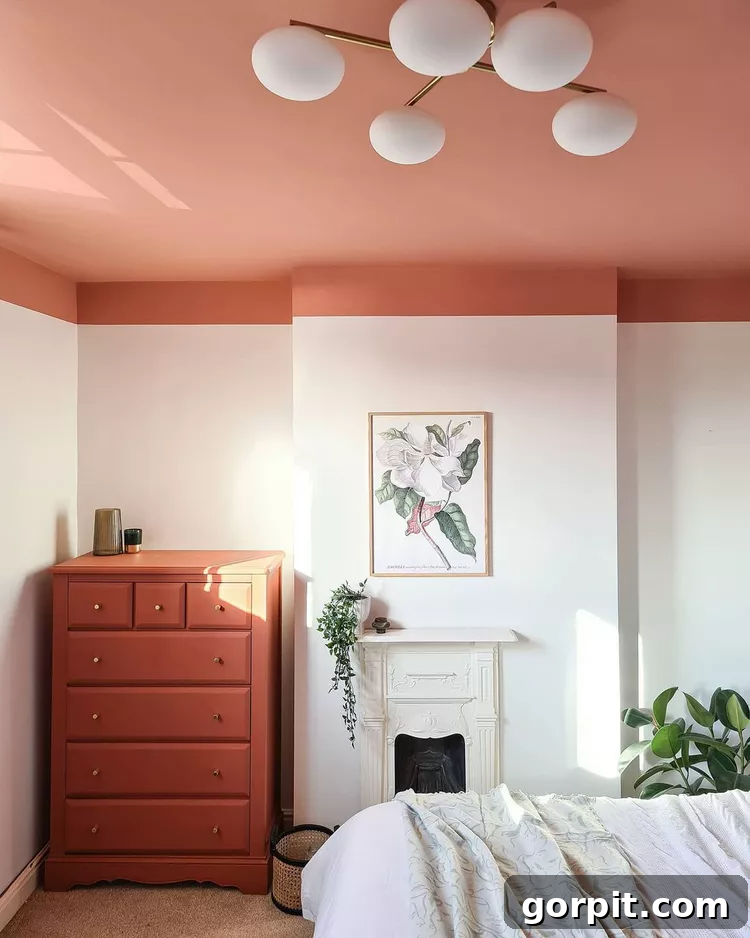
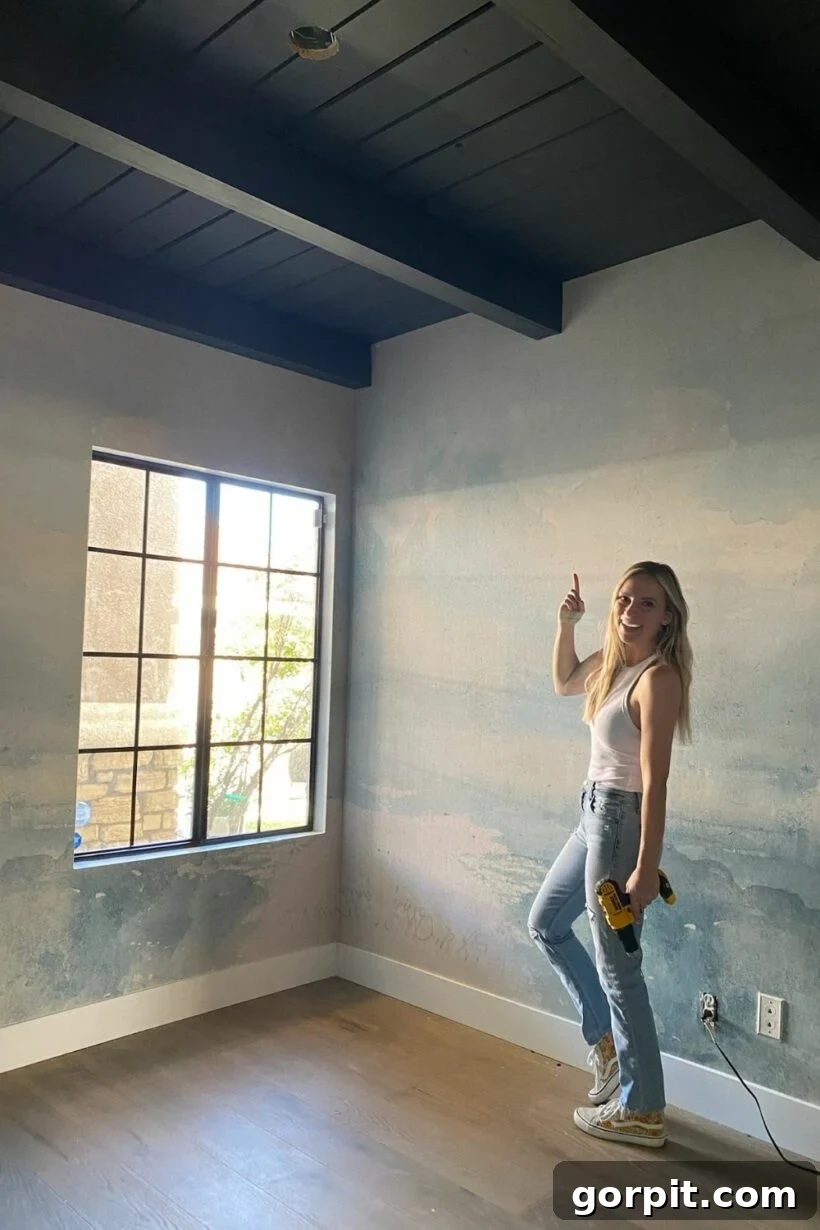
One breathtaking design approach involves extending the ceiling color slightly down onto the upper portion of the walls. This technique blurs the traditional line between wall and ceiling, creating an enveloping, sophisticated, and often whimsical effect. It can make a room feel taller by drawing the eye upwards or create a cozy, cocoon-like sensation in a larger space. This seamless transition adds a bespoke touch that elevates the entire design, making the room feel thoughtfully curated.
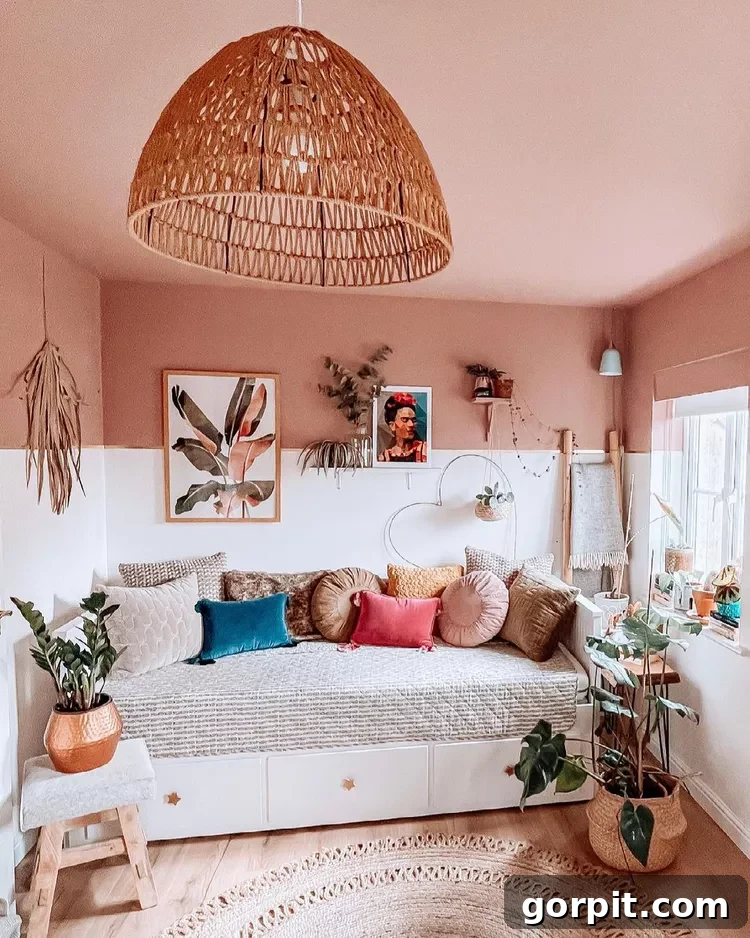
Further pushing this concept, some designs allow the ceiling color to stretch even farther down the wall, creating a dramatic, color-drenched effect that feels incredibly luxurious. This can be particularly effective in bedrooms or dining rooms, where an intimate and immersive atmosphere is desired. It’s a bold move that pays off, transforming a standard room into a truly memorable experience.
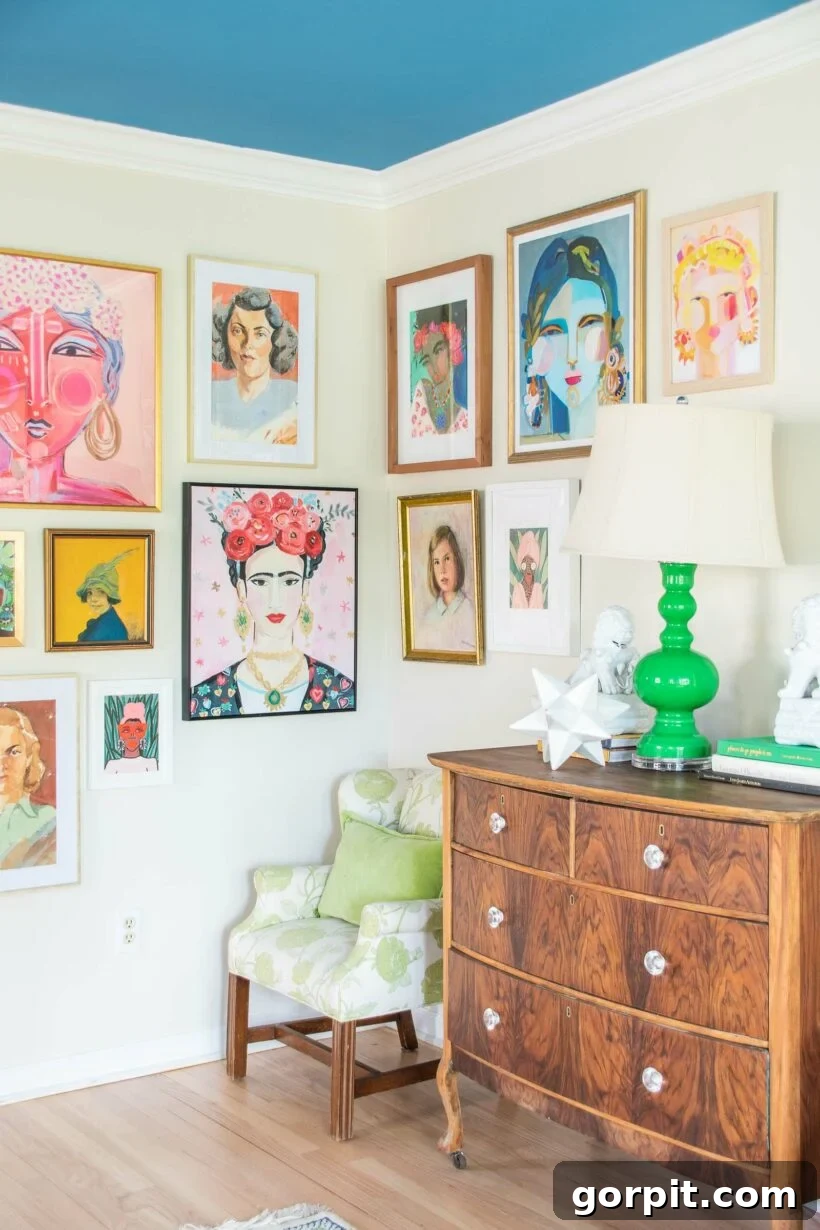
For those craving a burst of energy, a bold, brightly colored ceiling can infuse any space with immense personality and joy. Imagine a room with a plain white ceiling versus one crowned with a vivid blue, as seen in this example. The contrast is astonishing, injecting life and character that simple white can never achieve. A vibrant ceiling creates an immediate focal point, drawing the eye upward and expanding the perception of space. If this lively look resonates with your style, delve into our curated list of the best blue paint colors that designers frequently use to achieve such striking results. A painted ceiling is an imaginative, cost-effective way to make a significant design statement without major structural changes, proving that sometimes, the simplest solutions yield the most impactful transformations.
Coffered Ceiling Ideas: Classic Elegance Reimagined
Coffered ceilings, with their distinctive grid pattern of sunken panels, have long been a hallmark of classical elegance and architectural sophistication. These intricate ceiling designs add depth, texture, and a sense of grandeur to any room, transforming an ordinary flat surface into a visually captivating feature. Originally found in historic mansions and grand estates, coffered ceilings are now a coveted design element in modern homes, offering a timeless appeal. While they traditionally convey a formal and traditional aesthetic, contemporary interpretations allow for versatile styling, blending seamlessly with various interior design themes. The recessed panels can be plain, painted, or embellished, providing endless possibilities for customization and personalization.
Wallpapered Coffered Ceiling: A Modern Twist on Tradition
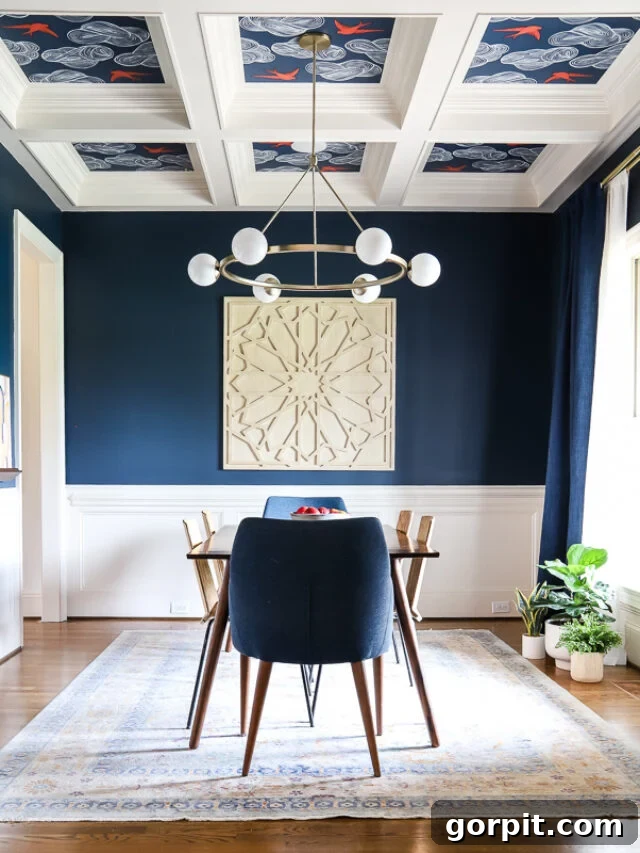
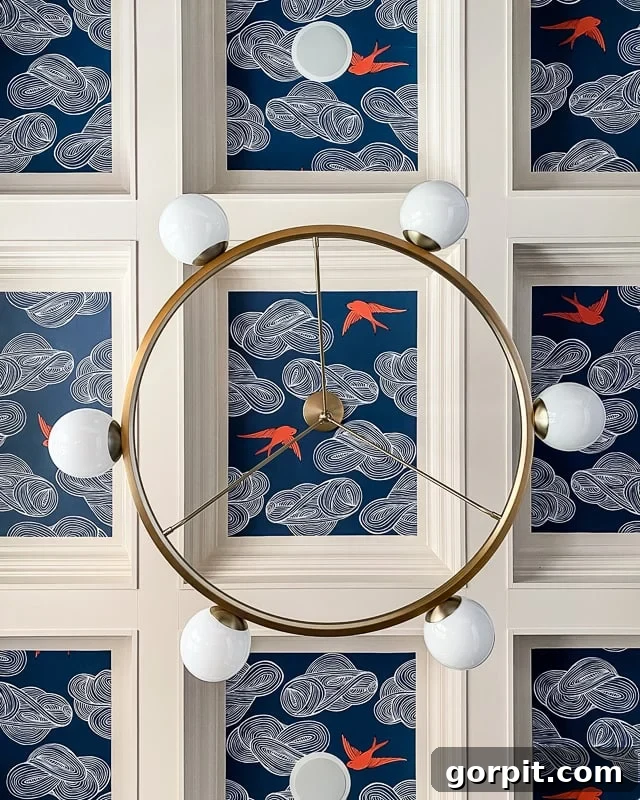
For those seeking to infuse a touch of modern flair into a classic coffered ceiling, wallpaper offers an ingenious solution. In our own new home, the beautiful coffered ceilings in our navy blue dining room, while stunning, leaned a bit more traditional than my personal style. To bridge this gap, I decided to wallpaper the recessed panels between the coffers. This simple yet effective customization completely transformed the space, lending a fresh, contemporary feel without compromising the inherent beauty of the craftsmanship. The result was a dining room ceiling that became one of my absolute favorite features in the entire house, proving that traditional elements can be beautifully updated with a creative touch.
If you’re drawn to the elegant look of wallpaper but are hesitant about its permanence, especially in a rented space or if you like to change your decor frequently, there’s a fantastic solution. Learn how to install wallpaper with liquid starch, making it easily removable and perfectly renter-friendly. This method allows for stunning temporary transformations, giving you the freedom to experiment with bold patterns and textures without long-term commitment. Wallpapering coffered ceilings introduces an additional layer of visual interest and allows for unique patterns and colors to be integrated into the architectural structure, creating a truly bespoke look.
DIY Coffered Ceiling: Achieving Grandeur on a Budget
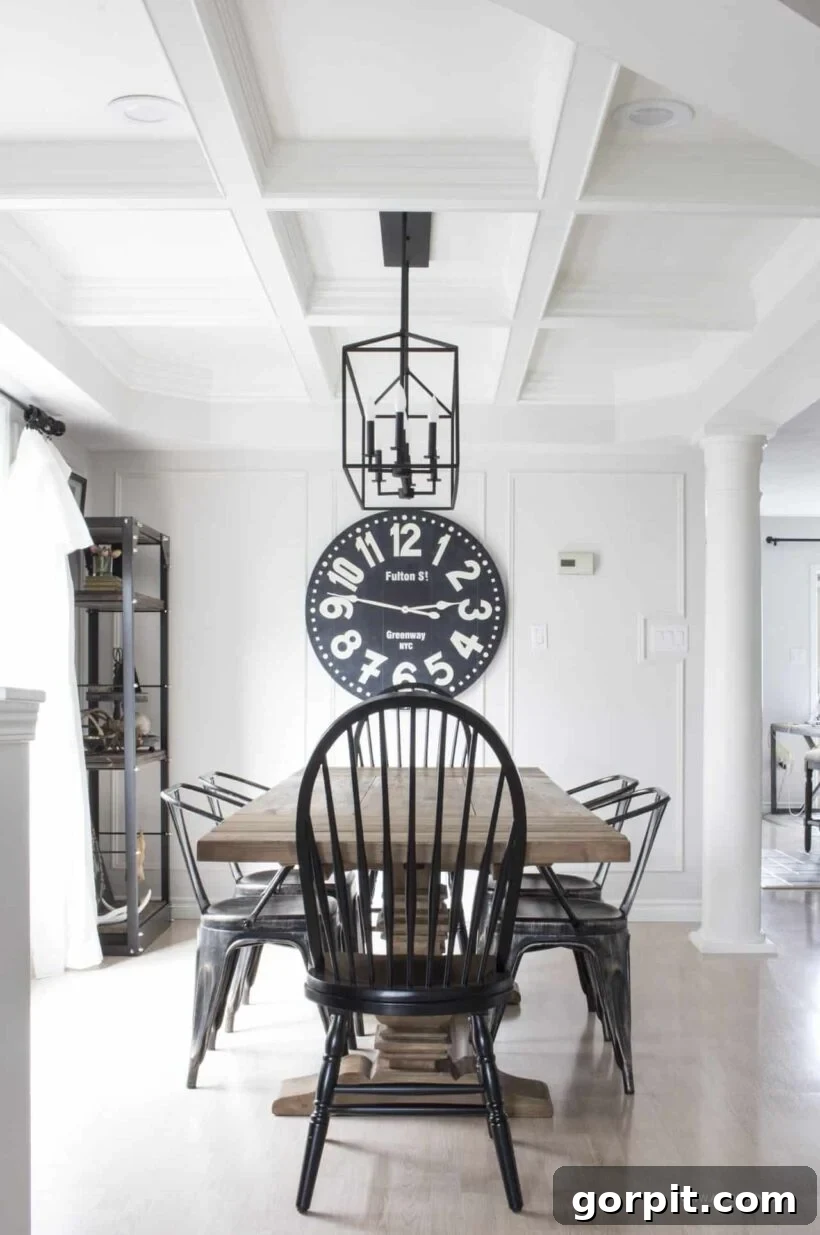
The majestic look of a coffered ceiling might seem like an expensive custom job, but with a bit of DIY prowess, you can achieve this sophisticated feature in your own home. Installing a coffered ceiling yourself is a surprisingly achievable project that can dramatically elevate the value and aesthetic appeal of your space. This undertaking typically involves creating a grid framework on your existing ceiling using wood planks or trim, then adding molding to create the characteristic recessed panel effect. It requires careful measurements, some carpentry skills, and patience, but the satisfaction of a professionally finished look at a fraction of the cost is incredibly rewarding. For a comprehensive guide that breaks down each step, exploring materials, tools, and installation techniques, check out this excellent tutorial for a DIY coffered ceiling. This resource will provide you with all the necessary insights to embark on this transformative project, proving that a high-end look doesn’t always require a high-end budget.
Vaulted Ceiling Ideas: Embracing Height and Grandeur
Vaulted ceilings are an architectural marvel, bestowing rooms with an immediate sense of grandeur, openness, and an abundance of natural light. Their soaring heights create dramatic vertical lines that draw the eye upward, making any space feel more expansive and airy. As one of my personal favorite architectural features, vaulted ceilings offer incredible design potential. However, sometimes their sheer scale can make a room feel a little too vast or cavernous, lacking intimacy and warmth. The challenge lies in enhancing their inherent beauty while ensuring the space still feels inviting and grounded. Thoughtful design elements can harness the impressive height of a vaulted ceiling, transforming it from a mere structural feature into a breathtaking focal point that perfectly balances grandeur with coziness.
DIY Faux Beam Installation: Adding Rustic Charm and Definition
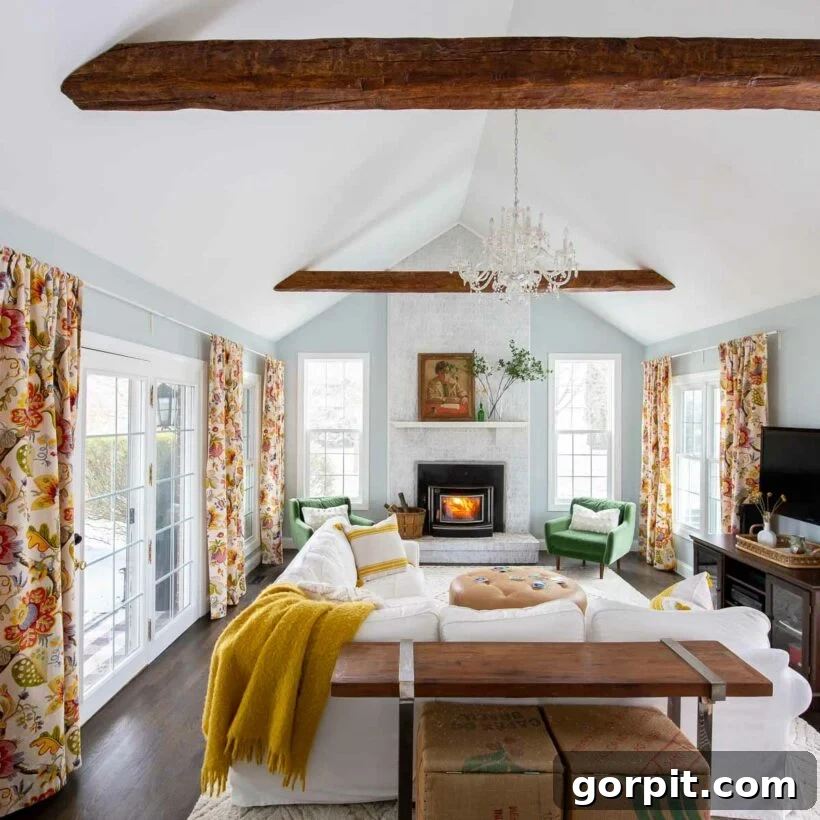
One of the most effective ways to introduce warmth, character, and visual interest to a vaulted ceiling is through the installation of faux wood beams. These decorative elements mimic the substantial look of structural wood beams without the immense cost, weight, or complex installation associated with real timber. Faux beams are typically crafted from lightweight materials like polyurethane or hollow wood, making them a manageable DIY project. The rich tones and natural textures of wood immediately bring a cozy, rustic, or farmhouse vibe, helping to “bring down” the expansive height of a vaulted ceiling and make the living space feel more intimate and defined. The strategic placement of these beams can also emphasize the room’s architecture, creating beautiful geometric patterns or leading the eye towards a focal point like a fireplace. Best of all, installing faux wood beams is a fairly simple DIY ceiling project that can be completed with moderate effort, yielding incredibly dramatic results that infuse a space with timeless charm and architectural depth.
Exposed Joists: Industrial Chic with a Cozy Edge
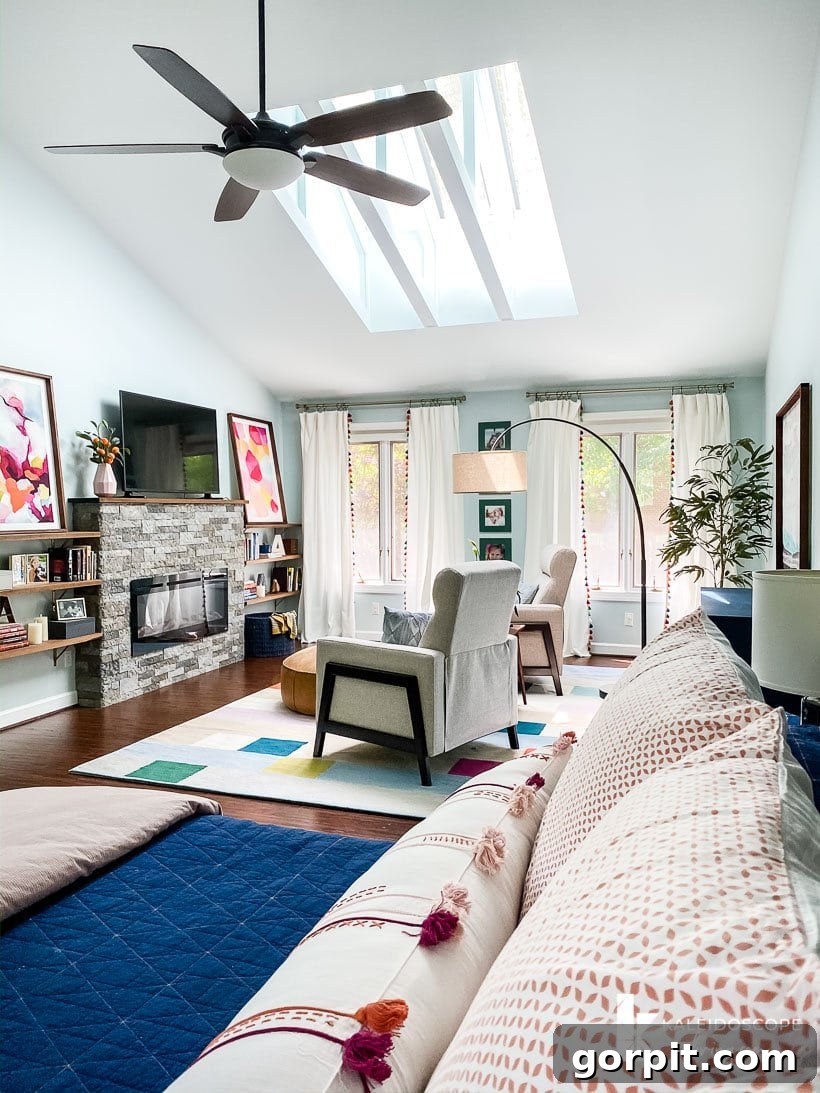
Embracing the structural elements of a vaulted ceiling by exposing the joists can create a unique, industrial-chic aesthetic that adds significant character. In our old home, we undertook a project to add skylights to our bedroom, which featured generous vaulted ceilings and a sizable sitting area. The sheer scale of the space often made it feel cold and somewhat cavernous. Instead of drywalling straight chases around the skylights, as is typically done, we chose to expose the joists. This decision injected incredible architectural interest into the room, breaking up the vast ceiling plane and adding a sense of texture and history. The exposed wooden elements immediately made our bedroom feel more inviting and cozy, complementing the warmth brought by an electric fireplace we also installed. Exposed joists celebrate the raw beauty of structural timber, offering a design element that is both authentic and visually captivating, perfect for adding a touch of rustic modernism to an otherwise expansive area.
Wood Vaulted Ceiling: Timeless Natural Beauty
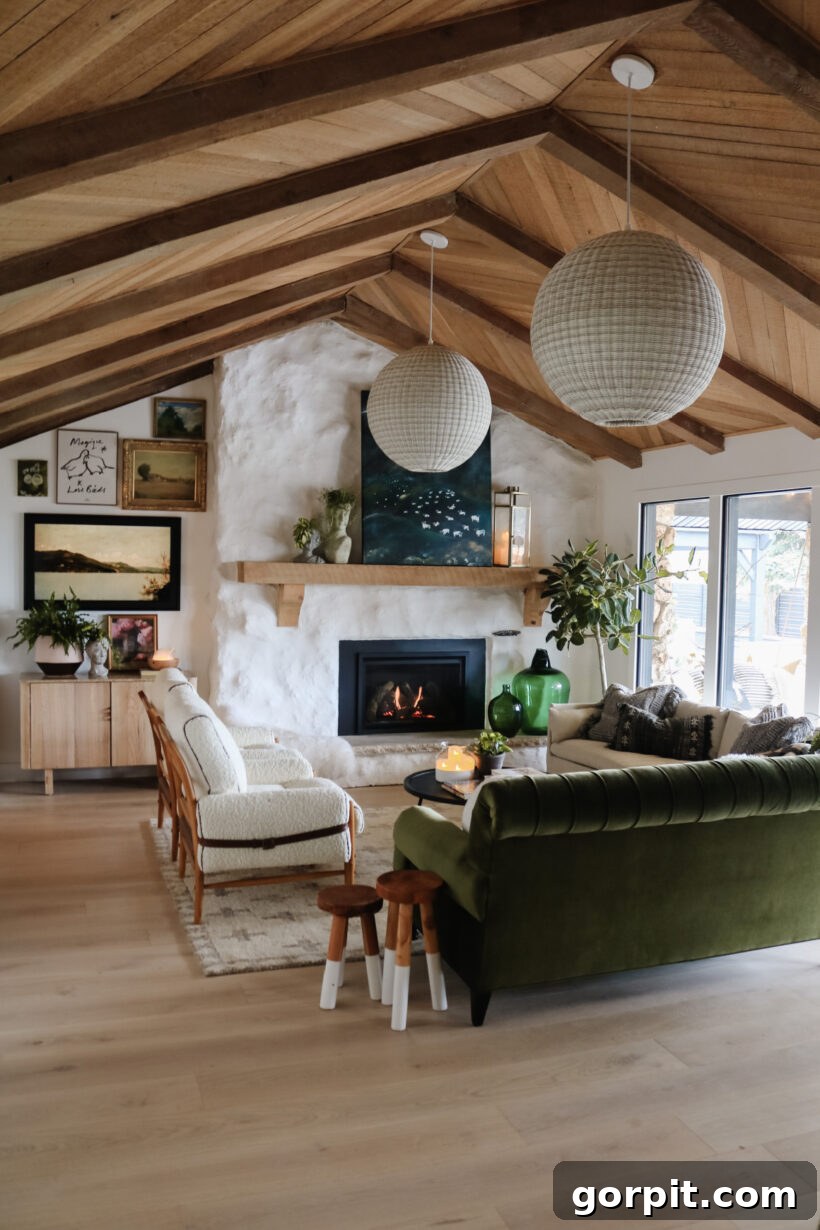
For homes blessed with vaulted ceilings already adorned with natural wood, resisting the urge to paint over them is often the best design choice. There’s an undeniable, enduring beauty in natural wood that paint simply cannot replicate. A wood vaulted ceiling brings an unparalleled sense of warmth, organic texture, and rustic charm to a space. The grain patterns and varying hues of the timber create a dynamic, living surface that adds character and depth. This type of ceiling can evoke images of mountain lodges, cozy cabins, or elegant Scandinavian interiors, depending on the wood species and finish. The ceiling below, for instance, is an original feature of a 1970s home, and I absolutely adore that it was retained during the extensive full-house renovation by Brooke of Nesting With Grace. Its rich, natural tones continue to contribute significantly to the home’s unique character and inviting ambiance. Preserving such original wood features not only honors the home’s history but also creates a timeless aesthetic that feels both luxurious and genuinely authentic, offering a stunning contrast to more contemporary elements within the renovated space.
Wood Ceiling Ideas: Infusing Warmth and Texture Above
If you’re looking to elevate a plain ceiling beyond paint or wallpaper, integrating wood elements offers a fantastic alternative. Wood ceilings bring unparalleled warmth, rich texture, and a touch of organic beauty to any room. From rustic farmhouse charm to sleek modern elegance, wood can adapt to a multitude of design styles, instantly adding a bespoke feel. The natural variations in grain and tone create a visually engaging surface that draws the eye upward, making the ceiling a deliberate and integral part of the room’s design narrative. Whether you opt for a full wood treatment or strategically placed accents, these wood ceiling ideas demonstrate the remarkable power of timber to transform and enhance your living spaces. Let’s explore some captivating ways to incorporate wood into your ceiling design, moving beyond the conventional and embracing the enduring appeal of natural materials.
DIY Tongue and Groove Ceiling: Seamless Wood Paneling
A tongue and groove ceiling provides a clean, seamless look that can infuse a space with incredible warmth and character. This method involves fitting individual wood planks together, with a “tongue” on one edge fitting into a “groove” on the adjacent plank, creating a tight and attractive finish. These horizontal wood planks, often seen in a light or natural finish, can remarkably warm up even the most minimalist or modern spaces, such as a contemporary bathroom. The continuous lines of the planks draw the eye along the ceiling, visually expanding the room and adding a subtle yet impactful architectural detail. The installation of a DIY tongue and groove ceiling is achievable for the dedicated homeowner, requiring patience and precision to ensure each plank fits snugly. The effort is well worth it, as the resulting ceiling is a durable, beautiful surface that adds significant value and aesthetic appeal. The natural wood tones not only soften harsh lines but also introduce an organic element that enhances comfort and visual richness, making the ceiling a true design asset.

Beadboard Ceiling: Classic Charm with Subtle Texture
For a dose of timeless charm and subtle texture, a beadboard ceiling is an exquisite choice. Beadboard panels, characterized by their vertical grooves and raised beads, add a classic cottage or farmhouse aesthetic that feels incredibly inviting and clean. While often painted white, which enhances its crisp, clean look, the subtle texture of beadboard offers significantly more visual interest than a plain flat ceiling. It adds a layer of architectural detail that elevates the room without overpowering it, making it perfect for kitchens, bathrooms, or even a cozy living room. The fine lines and gentle shadows created by the beads draw the eye upward, giving the illusion of height and a finely crafted finish. Beadboard is also relatively easy to install, often coming in large sheets that simplify the DIY process. Its versatility allows it to blend seamlessly with various decor styles, from traditional to transitional, making it a beloved option for homeowners looking to add a touch of understated elegance and character. The understated pattern brings a sense of handcrafted quality and a light, airy feel, proving that impactful design doesn’t always have to be bold.
Shiplap Ceiling + Wood Beams: Rustic Elegance and Architectural Drama
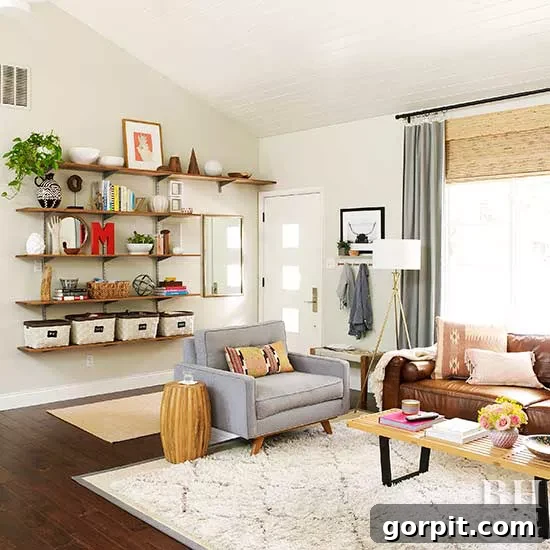
For a truly impactful and architecturally rich ceiling, combining shiplap with prominent wood beams creates a stunning visual statement. Shiplap, with its characteristic overlapping planks and clean lines, offers a wonderful texture that can range from rustic farmhouse to modern coastal. When this versatile paneling is applied to the ceiling, it instantly adds depth and a sense of handcrafted authenticity. Elevate this look further by incorporating DIY wood beams, which provide a powerful structural aesthetic and a striking contrast against the shiplap. This combination not only enhances the room’s character but also draws the eye upward, making the ceiling an undeniable focal point. The beauty of this approach is its DIY potential; dedicated homeowners can tackle both the shiplap installation and the creation of faux wood beams themselves, transforming a flat, uninspired ceiling into a masterpiece of design. Imagine a living room or a spacious bedroom with a dark shiplap ceiling contrasted by lighter, robust wood beams – the effect is dramatic, cozy, and utterly luxurious. This pairing is perfect for those who desire a robust, character-filled ceiling that speaks volumes about style and craftsmanship, demonstrating that impressive architectural features are well within reach for a determined DIY enthusiast.
Basement Ceiling Ideas: Transforming the Undercroft
Basements are notorious for their often utilitarian and aesthetically unappealing ceilings, frequently plagued by exposed pipes, ductwork, and low clearances. However, these spaces don’t have to be visually compromised. With a bit of creativity and strategic planning, a basement ceiling can be transformed from an unsightly necessity into a deliberate design element. Gone are the days when a basic drop panel ceiling was the only perceived solution; in fact, these are often best avoided due to their dated appearance and tendency to further reduce ceiling height. This section will explore a range of stylish and innovative basement ceiling ideas, offering alternatives that not only camouflage imperfections but also enhance the overall aesthetic and functionality of your lower level. From budget-friendly camouflaging techniques to more refined architectural statements, these options prove that your basement ceiling can be just as thoughtfully designed as any other part of your home, creating a welcoming and functional extension of your living space.
DIY Coffered Ceiling With Drop Ceiling Tiles: Ingenious Accessibility and Style
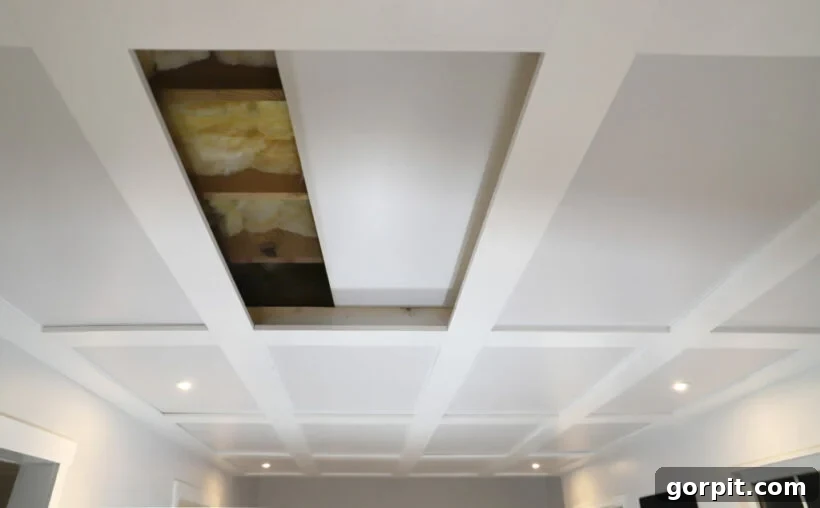
For many basements, retaining easy access to critical overhead systems—like electrical wiring, plumbing, and HVAC ducts—is a non-negotiable requirement. While traditional drop ceilings offer this accessibility, their aesthetic appeal often leaves much to be desired. Enter the ingenious solution of a DIY coffered ceiling integrated with drop ceiling tiles. This brilliant design concept marries the practical benefits of a removable ceiling system with the elegant, architectural look of a coffered ceiling. By constructing a grid framework that incorporates the visual depth of coffers, while still allowing individual panels to be lifted out, homeowners can enjoy both sophisticated style and essential utility. This approach disguises the utilitarian nature of a drop ceiling, elevating it into a high-end feature. It’s absolutely genius for a basement, providing a refined finish that belies its functional advantages. This clever twist on a basic drop ceiling grid system ensures that your basement can be both beautiful and highly functional, making maintenance a breeze without sacrificing aesthetic appeal.
Exposed But Painted Basement Ceiling: Industrial Chic and Maximized Height
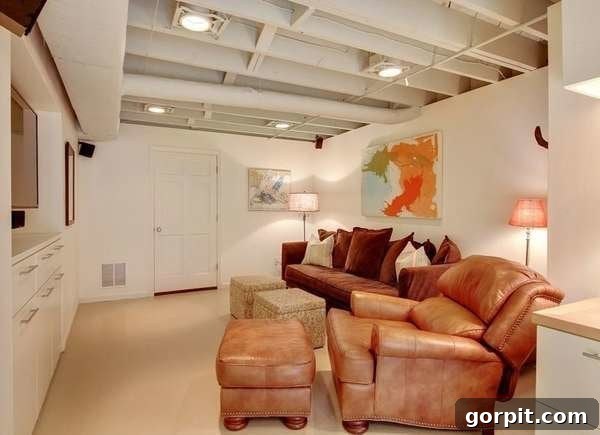
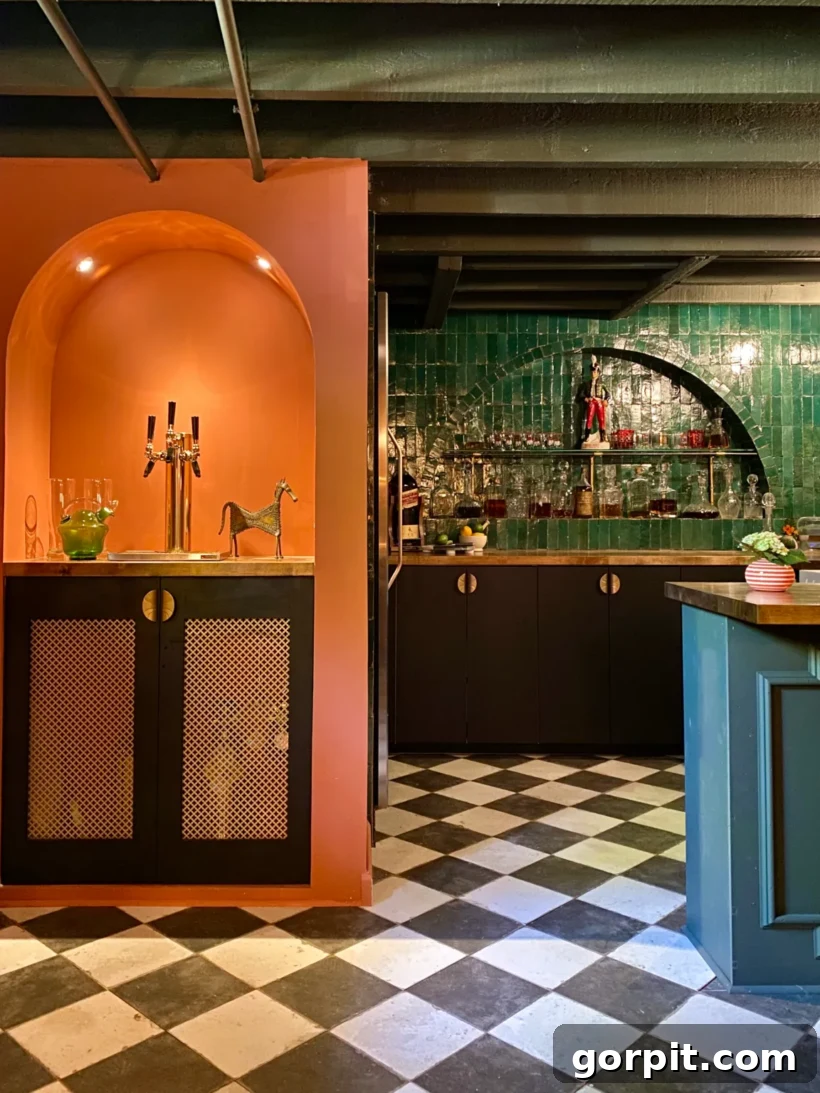
One of the most popular and impactful basement ceiling treatments involves simply painting the exposed elements—rafters, ductwork, pipes, and electrical conduits—all one cohesive color. This strategy, often favoring a dark, uniform shade like black or charcoal grey, effectively makes the entire ceiling recede, creating an illusion of greater height and a clean, industrial-chic aesthetic. The unified color minimizes the visual clutter of disparate elements, causing them to blend together and virtually disappear. This is particularly advantageous in basements, where ceiling heights are often lower than in upper levels. By foregoing drywall or paneling, you preserve every precious inch of vertical space, making the basement feel significantly more open and less confined. The exposed but painted ceiling offers a raw, modern appeal that can be beautifully integrated into various design styles, from contemporary to urban loft. It’s a remarkably budget-friendly solution that not only streamlines the look of your basement but also adds a distinct character. Imagine a cozy basement bar or a stylish lounge area, like the incredible space designed by Kate Pearce, where the painted exposed ceiling becomes an integral part of the sophisticated ambiance. It’s hard to believe such stunning results can be achieved with such a straightforward approach.
The transformation seen in Kate Pearce’s basement bar/lounge exemplifies just how effective this technique can be. The uniform painted surface allows the structural and utility elements to become a textured backdrop rather than an eyesore, contributing to a sleek, sophisticated, and unexpectedly high-end feel. This approach is proof that even the most functional parts of a home can be designed with elegance and purpose, turning potential drawbacks into unique design strengths.
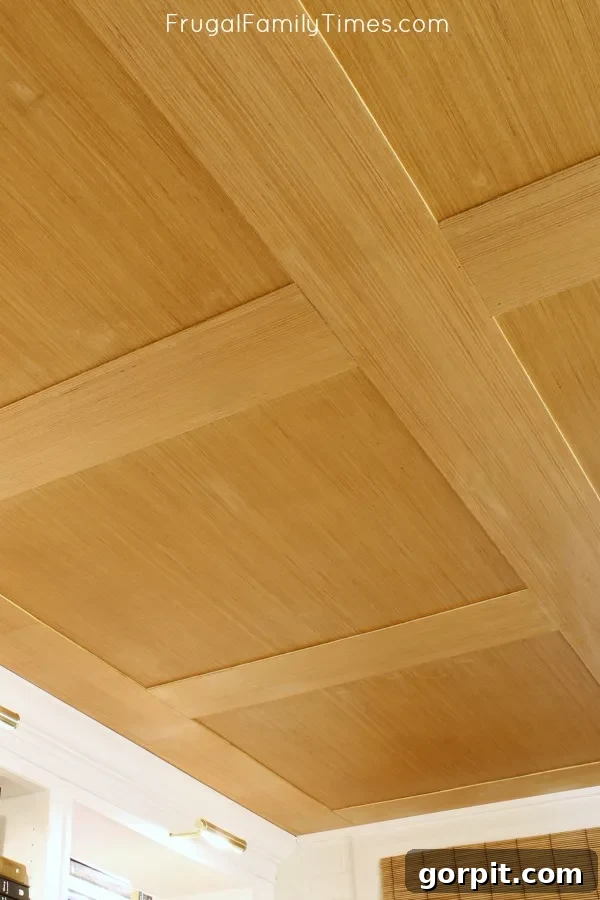
DIY Plywood Basement Ceiling: Modern, Affordable, and Stylish
If you prefer a covered and finished look for your basement ceiling but want to steer clear of the uninspired aesthetic of typical drop panels, a DIY plywood ceiling presents an excellent and stylish alternative. This approach offers a clean, modern, and often Scandinavian-inspired look that is both aesthetically pleasing and remarkably budget-friendly. Plywood sheets can be cut into various sizes and installed directly onto furring strips or existing joists, creating a smooth, uninterrupted surface. The natural grain of the plywood, especially when stained or left raw with a clear sealant, brings a warm, organic texture to the space. It can be particularly effective in creating a contemporary or minimalist vibe, providing a sense of cohesion and polish. This DIY option is not only cost-effective but also empowers homeowners to personalize the finish, from painting it to match the walls for a seamless look, to applying a light wash for added depth. The installation process is accessible for those with basic carpentry skills, making it a highly rewarding project. This beautiful plywood ceiling solution demonstrates that high-end design can absolutely be achieved on a budget, offering a sophisticated alternative to standard basement ceiling treatments.
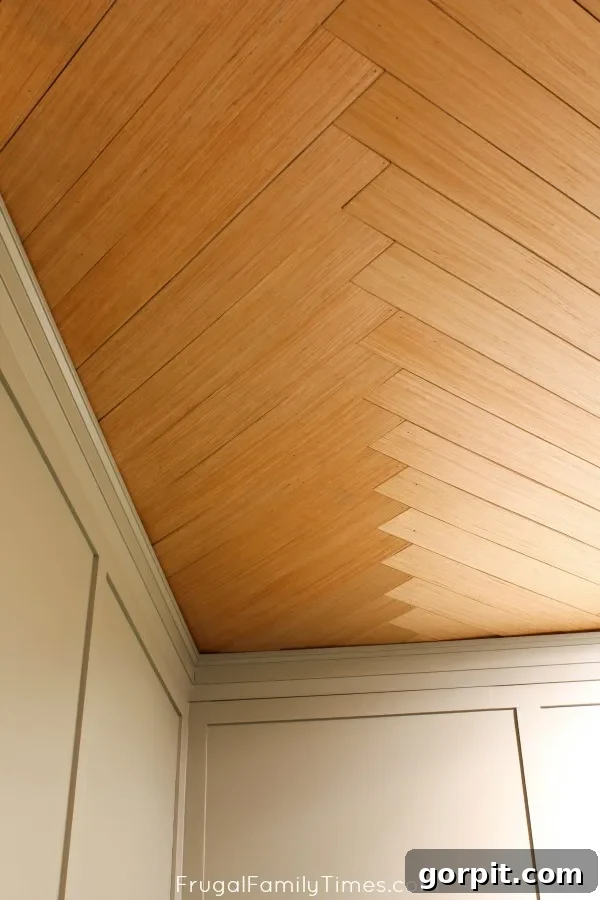
DIY Herringbone Plywood Basement Ceiling: Patterned Sophistication
Taking the plywood ceiling concept a step further, a DIY herringbone pattern can introduce an incredible level of visual dynamism and bespoke sophistication to your basement. The herringbone pattern, known for its elegant V-shape, creates a mesmerizing geometric effect that is both classic and contemporary. This application, where plywood strips are meticulously cut and arranged in an interlocking pattern, transforms a simple material into a high-impact design feature. Having personally experienced the charm of a DIY herringbone plank wall in our old kitchen, I can attest to the dramatic impact this pattern has on a space. It adds a luxurious texture and a handcrafted feel, instantly elevating the basement from ordinary to extraordinary. While it requires more precision and time than a straightforward plywood installation, the results are undeniably worth the effort. A herringbone plywood ceiling offers a distinctive aesthetic that showcases craftsmanship and attention to detail, making it a powerful statement in any finished basement. It’s an innovative way to introduce architectural flair and a unique artistic touch, proving that even a basement ceiling can become a conversation starter and a testament to clever design.
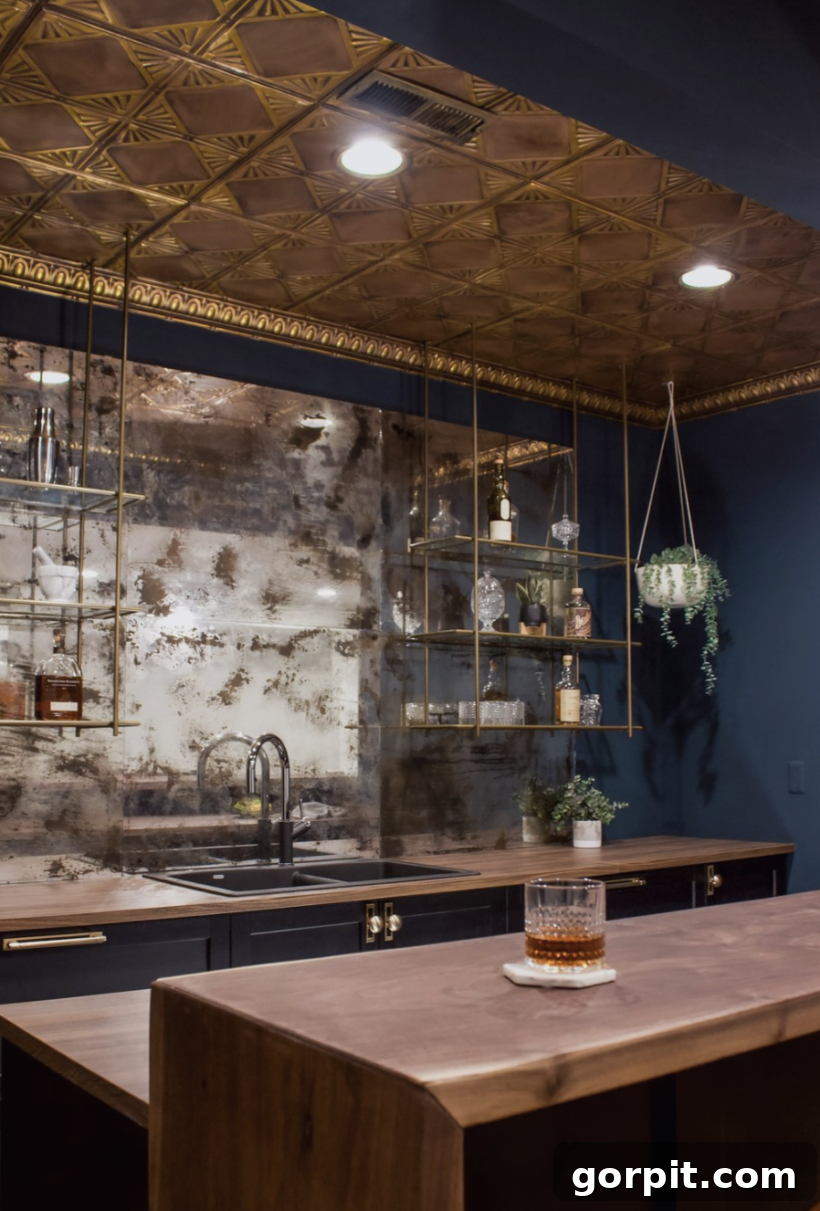
Tin Ceiling Tiles: Vintage Charm with Architectural Detail
For an infusion of vintage elegance and intricate detail, tin ceiling tiles offer a spectacular solution for basement ceilings. These ornate tiles, originally popular in the late 19th and early 20th centuries, bring a rich historical charm and a touch of luxury to any space. Available in a variety of patterns and finishes—from classic silver and copper to painted white or distressed looks—tin tiles can transform a mundane basement into a sophisticated retreat. Their metallic sheen and embossed designs catch the light beautifully, adding depth and visual interest that is simply captivating. The impact is particularly striking in spaces like a basement bar or lounge, where the tiles contribute to an atmosphere of refined character, as demonstrated in this truly stunning example. It’s hard to believe such an exquisite ceiling can exist in a basement! Tin ceiling tiles can be installed directly onto an existing ceiling or used in a grid system, offering both decorative and practical advantages. They are durable, easy to clean, and can even help with sound dampening. This option allows for a dramatic transformation, elevating the basement’s aesthetic beyond recognition and creating a space that feels utterly unique and imbued with a sense of old-world charm and modern sophistication.
Feeling inspired to look up and redefine your living spaces? I certainly am! Moving forward, I am committed to treating ceilings as the impactful “fifth wall” they truly are, integrating them into every design plan. From simple paint transformations to intricate wood and paneling designs, the possibilities for creating a breathtaking overhead aesthetic are endless. Your ceiling is a blank canvas awaiting your creative touch, capable of enhancing ambiance, adding architectural depth, and reflecting your unique style. Don’t let this valuable design opportunity go unnoticed any longer. It’s time to elevate your home, starting from the top down!
Other posts you may enjoy:
- Stunning DIY Board & Batten Wall Ideas
- Sherwin Williams Pure White SW7005 Paint Review With Pictures
- How to Make a Small Room Look Bigger: 9 Simple Tricks
- 15 Clever & Inspiring Hallway Decor Ideas
- Interior Trim Ideas (That Aren’t White)
Curious about my approach to transforming rooms and spaces within our home? Discover the strategies and insights behind my projects in Designer in a Binder®, your comprehensive guide to effortless home decorating.
For exclusive content, behind-the-scenes sneak peeks, and the latest design tips delivered straight to your inbox, be sure to subscribe before you go!