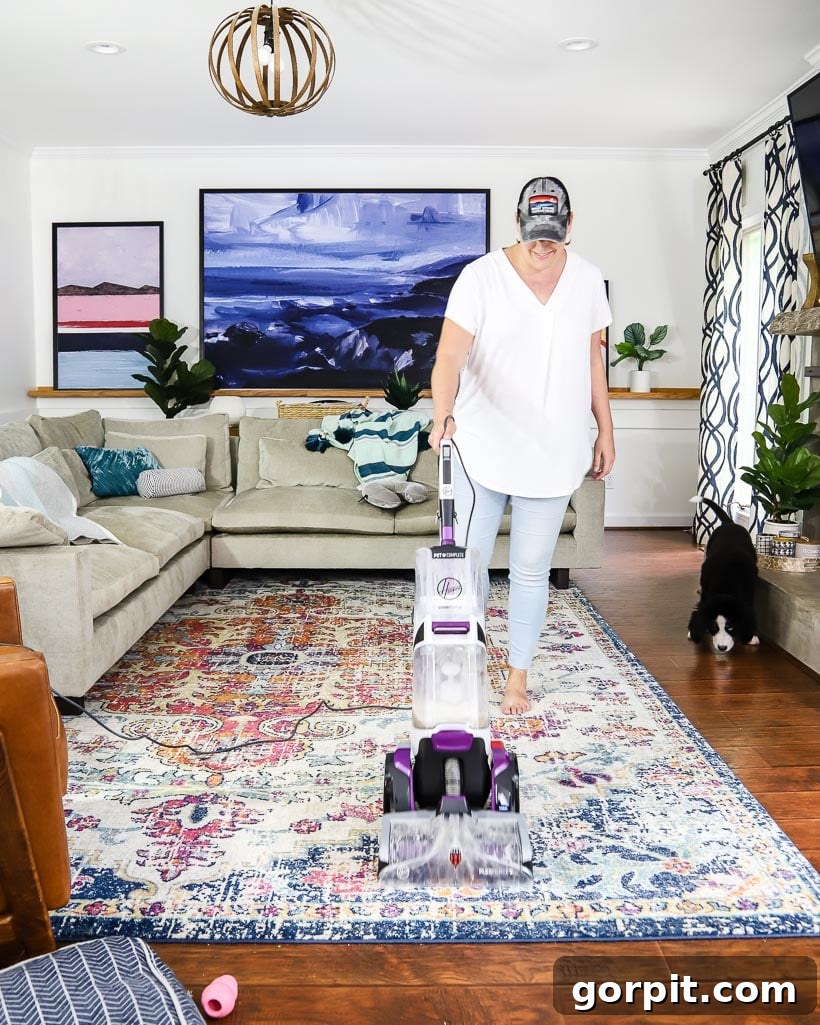
Could your beautiful area rugs use a thorough deep cleaning? The answer is likely a resounding yes. As someone who appreciates the warmth and style area rugs bring to every room—yes, even carpeted ones—I’m intimately familiar with the wear and tear they endure. From daily foot traffic to the inevitable spills caused by pets, kids, and even ourselves, rugs silently accumulate dirt, dust, and allergens. While your rug might not visibly appear dirty, vacuuming alone eventually falls short of truly restoring its freshness and hygiene.
The excellent news is that achieving a deep clean for most area rugs is far simpler than you might imagine, and it’s a task you can confidently tackle yourself! Having area rugs in every corner of my home has given me extensive hands-on experience in effective rug care. In this comprehensive guide, I’m excited to share my proven, easy-to-follow cleaning tips that will help preserve your area rug’s vibrant look and fresh scent for many years.
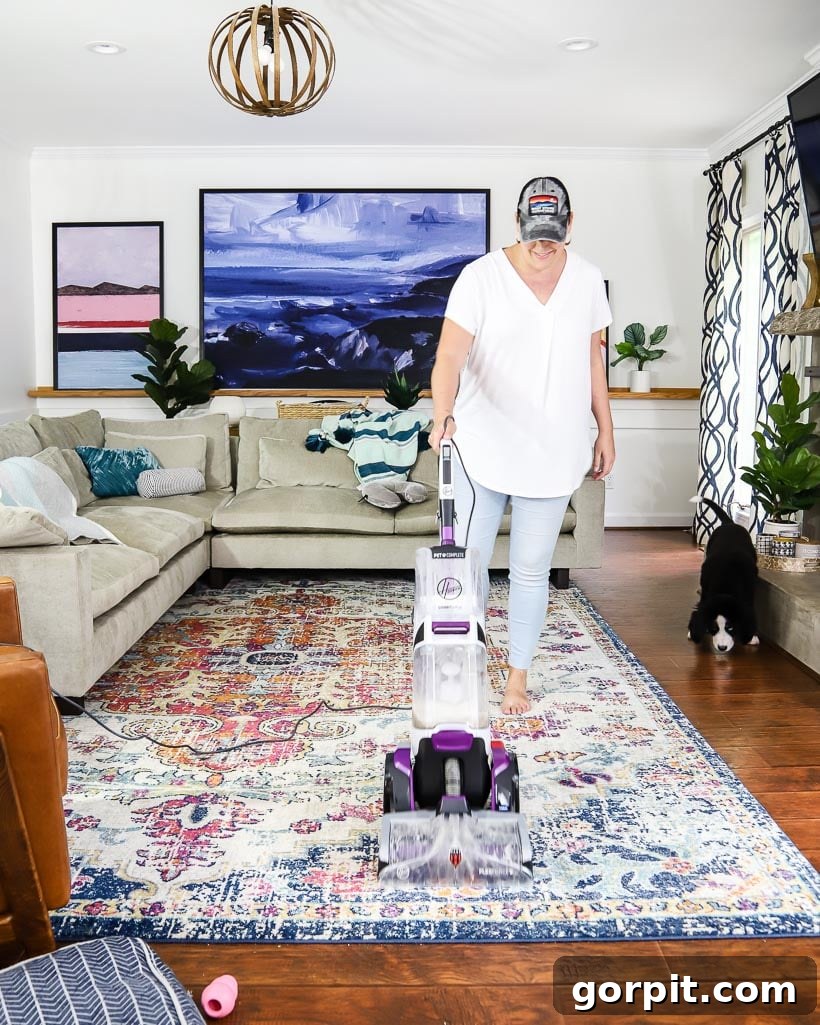
Can I Clean My Area Rug Myself?
For most area rugs found in contemporary homes, the answer is a definitive yes! You absolutely do not always need to shell out money for professional rug cleaners or specialized dry-cleaning services. However, a crucial caveat applies: if your rug is a valuable antique, a delicate silk masterpiece, an intricate hand-knotted heirloom, or simply an exceptionally expensive piece, entrusting its cleaning to a seasoned professional is highly recommended. These specialized rugs often require specific care techniques and solutions that untrained hands could inadvertently damage.
But if you, like me, own area rugs that are readily available online or from popular retailers such as Target (you can explore the diverse and colorful rugs in our own home here), then you possess all the capability to clean them effectively yourself. The remainder of this detailed guide focuses on practical, DIY cleaning methods for indoor rugs that are suitable for at-home maintenance, empowering you to keep your living spaces fresh without professional intervention.
The Importance of Understanding Your Rug’s Material for Optimal Cleaning
Before diving into any cleaning process, it’s paramount to understand the composition of your area rug. Different materials respond to cleaning agents and methods in distinct ways. Broadly speaking, rugs crafted from natural fibers, such as wool or cotton, demand a gentler approach. They typically benefit from cold water cleaning processes and mild, pH-neutral solutions to prevent shrinkage, dye bleeding, or fiber damage.
In contrast, synthetic rugs—made from materials like polypropylene, nylon, or polyester—are generally far more resilient. These man-made fibers can typically withstand hotter water temperatures and more robust cleaning solutions or detergents without adverse effects, making them ideal candidates for deeper cleaning with a machine.
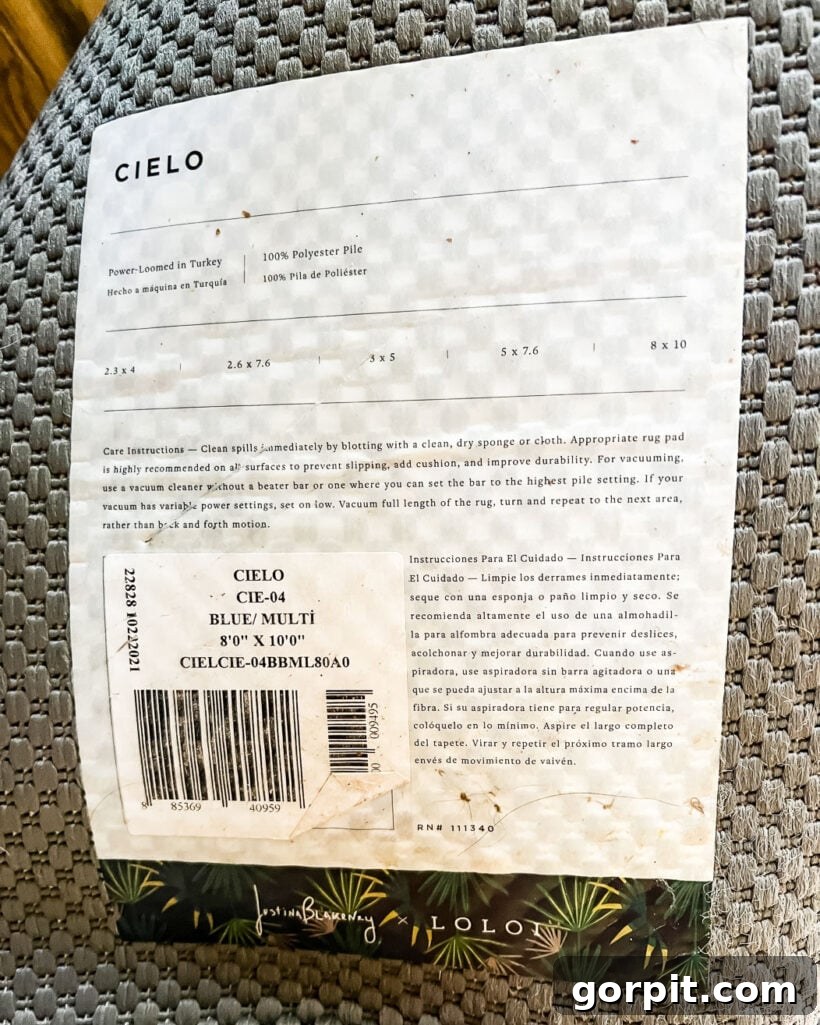
If you’re unsure about the specific material of your area rug, your first step should be to locate the label or tag, usually found on the underside or back of the rug. This label often lists the fiber content and may even include specific cleaning instructions from the manufacturer. Always defer to these instructions as they are tailored to the rug’s unique characteristics. Taking a moment to check this detail can save you from potential damage and ensure a successful cleaning outcome.
This post contains affiliate links for your convenience. Click here for my full disclosure policy.
What I Use
Here are links for you to find everything I use to clean our area rugs myself. Click on any image for full product details.
(Product images and links would typically appear here in an active widget.)
- Hoover SmartWash Carpet Cleaner
- Folex Instant Carpet Spot Remover
- Hoover Deep Cleaning Carpet Solution
Here are links for you to find everything I use to clean our area rugs myself. Click on any image for full product details.
The Best Way to Clean an Area Rug: A Step-by-Step Guide
Keeping your area rugs in pristine condition involves a consistent, multi-faceted approach. From daily habits to annual deep cleans, following these best practices will significantly extend the life and beauty of your rugs.
Vacuum Your Rug Regularly: The Foundation of Care
Regular vacuuming isn’t just a suggestion; it’s the absolute first and most critical step in maintaining the cleanliness and longevity of your area rugs. Vacuuming effectively removes superficial dirt, dust, pet hair, and other loose debris that, if left unattended, can work its way deep into the rug fibers. Once embedded, this grime can become abrasive, leading to premature wear and dulling your rug’s appearance.
For areas with light foot traffic, a weekly vacuuming schedule is generally sufficient. However, for high-traffic zones, such as hallways, living rooms, or areas frequented by children and pets, increasing your vacuuming frequency to at least twice a week is highly recommended. When vacuuming, ensure your vacuum cleaner’s brush height is adjusted appropriately for your rug’s pile to avoid damaging the fibers. Slow, overlapping passes in multiple directions will ensure maximum dirt extraction, leaving your rug not only cleaner but also fluffier.
Effective Stain and Spill Cleaning Techniques
Accidents are an inevitable part of life, and spills on area rugs are bound to happen. Trust me, I’m often the chief culprit in my own home, having managed to spill everything from coffee to paint (more than once!) on our carpets and rugs. My extensive experience has made me quite adept at stain removal, and the most crucial lesson I’ve learned is to act swiftly and avoid panic.
Immediate Action is Key: The moment a spill occurs, your priority should be to address it immediately. The longer a stain sits, the more it will set into the fibers, making removal significantly harder.
Blot, Don’t Rub: Resist the urge to rub the spill. Rubbing will only push the substance deeper into the rug fibers and spread the stain. Instead, gently blot the affected area with clean, white towels or paper towels. Continue blotting, working from the outside of the stain inwards, until as much of the excess moisture and spilled substance as possible has been absorbed.
Dealing with Different Stain Types:
- Water-Soluble Stains (e.g., coffee, soda, mud): After blotting, lightly dampen a clean cloth with cool water and a tiny amount of mild dish soap (ensure it’s clear to avoid dye transfer). Gently blot the stain with this solution, then blot with a clean, damp cloth to rinse, and finally with a dry cloth to absorb moisture.
- Oil-Based Spills (e.g., grease, butter, some paints): For these types of spills, begin by sprinkling a generous amount of an absorbent powder like cornstarch or baking soda over the fresh stain. Let it sit for 15-20 minutes to absorb the oil. Then, carefully scrape or vacuum up the powder. Follow up by blotting the area with a dry cloth. You can then gently dampen the spot with warm water and continue blotting with clean towels to lift any remaining residue.
- Pet Stains: Pet urine can be particularly challenging due to odor and potential discoloration. After blotting up as much liquid as possible, apply an enzymatic cleaner specifically designed for pet stains. These cleaners break down the proteins in the urine that cause odors and stains. Follow the product instructions carefully.
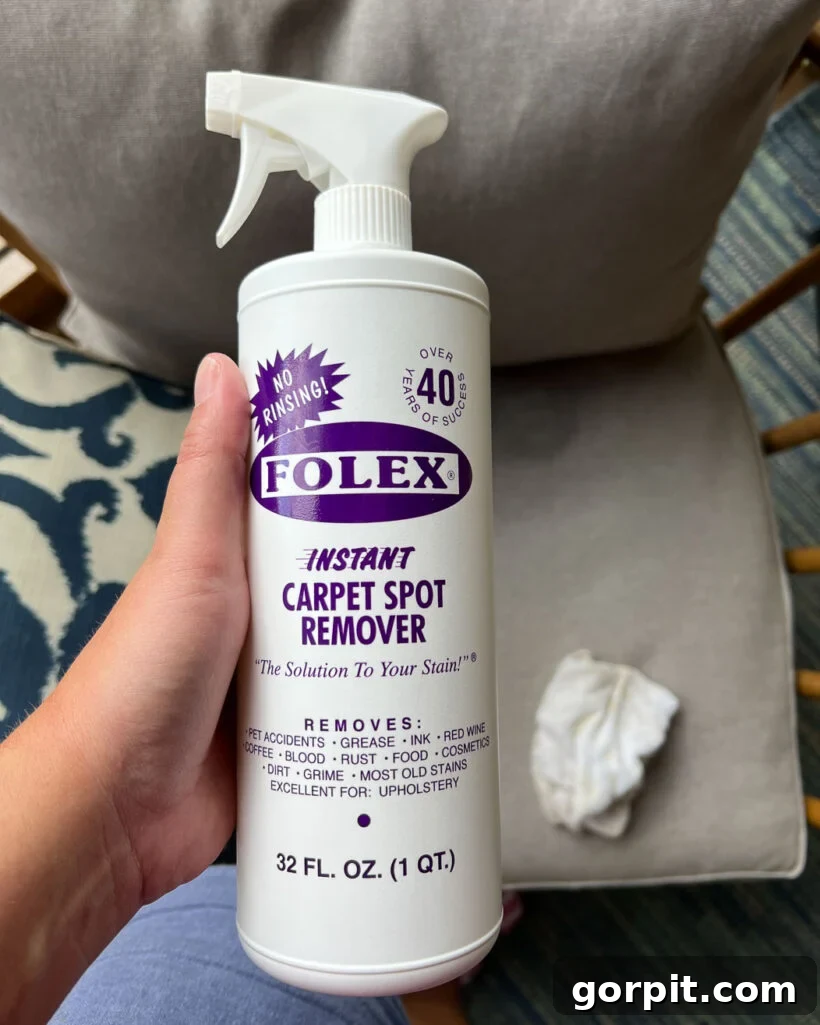
My Secret Weapon for Stubborn Stains: After you’ve blotted away as much as you can, I highly recommend using Folex Instant Carpet Spot Remover. This product is incredibly affordable and works like magic on a vast array of stains. Remember my paint spills? Folex has successfully removed them every single time. Before applying it to a visible area, always perform a spot test on an inconspicuous part of your rug to ensure colorfastness.
Deep Cleaning Your Area Rug with a Home Carpet Cleaner
While regular vacuuming and prompt spot treatment handle surface dirt and fresh spills, a deeper clean is essential to tackle embedded grime, allergens, and odors that accumulate over time. I advocate for deep cleaning your area rugs at least once a year, or more frequently if you have pets, children, or high foot traffic. The best part? This process is neither time-consuming nor difficult, and doing it yourself saves you a considerable amount of money compared to hiring a professional.
Choosing Your Deep Cleaner: Buy vs. Rent
I personally use this specific carpet cleaner that we’ve owned for years, and I cannot recommend it enough (this is not a sponsored endorsement; I am genuinely a huge fan!). It effectively cleans all the area rugs in our home, including our wool and cotton blends. Its reasonable price has made it pay for itself countless times over. In fact, it’s one of my top recommendations for keeping your home clean with dogs. The convenience of owning your own machine means you can clean on your schedule, without the hassle of renting or coordinating with professionals. If purchasing isn’t an option, renting a carpet cleaner from a local store is a viable alternative; just be sure to buy a compatible carpet shampoo.
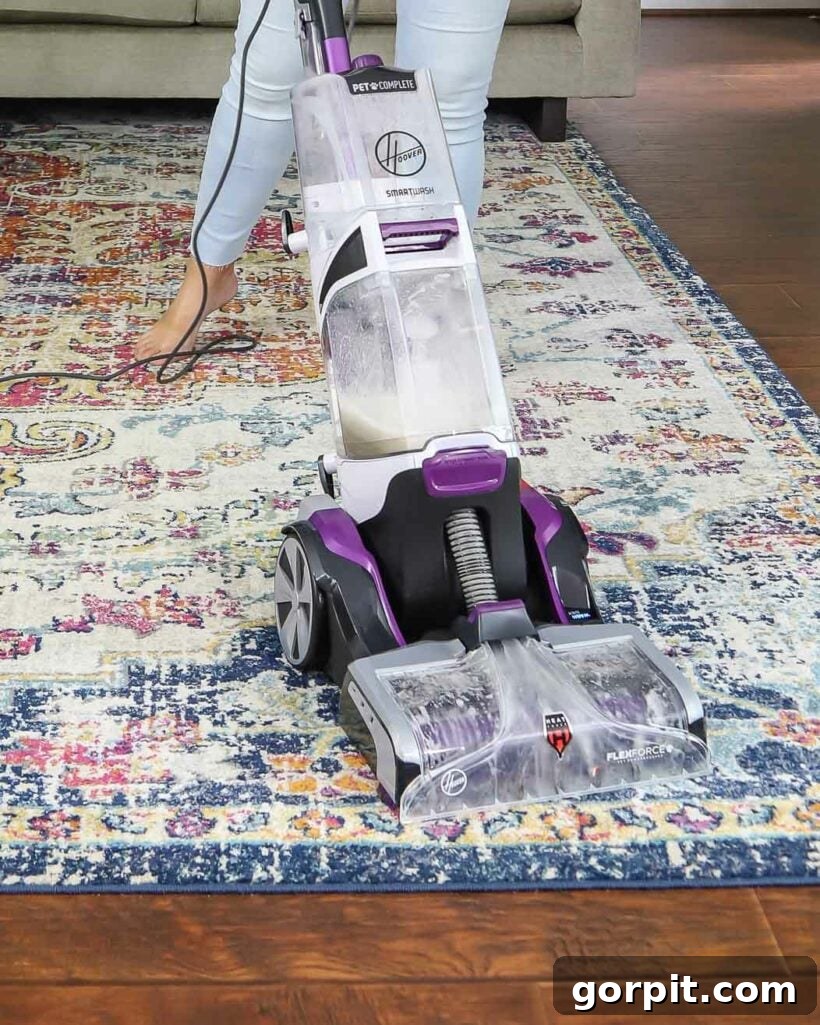
Consider the cumulative cost and effort: if you were to rent a carpet cleaner or hire a professional every time your rugs needed a refresh, you would quickly spend significantly more than the cost of this carpet cleaner. Beyond the financial savings, owning your machine offers unparalleled convenience and the peace of mind that it hasn’t been used in countless other homes, which I find more sanitary.
Step-by-Step Deep Cleaning Process:
- Pre-Vacuum Thoroughly: Before introducing any moisture, ensure your rugs are meticulously vacuumed. Remove as much loose dirt, dust, and debris as possible. This step prevents turning dry particles into muddy residue during the wet cleaning process.
- Prepare Your Machine: The Hoover SmartWash Carpet Cleaner is designed for ease of use, making the process almost as simple as vacuuming. Fill one tank with the appropriate carpet cleaning solution and the other with plain water. The water is crucial for rinsing the cleaning solution, preventing residue buildup that can attract dirt.
- Clean Your Rug: Operate the machine slowly and steadily. As you push the cleaner forward, it will dispense the cleaning solution and gently scrub your rug’s fibers. As you slowly pull the machine back, it simultaneously rinses the area with clean water and powerfully extracts the dirty water and excess moisture. This dual-action process is truly remarkable!
- Witness the Magic (and the Mess!): You’ll be amazed—and perhaps a little disgusted—to see the amount of deeply embedded dirt and grime that your area rug surrenders into the machine’s recovery tank. It’s incredibly satisfying to see such tangible results, confirming the effectiveness of your efforts.
As you push the cleaner forward, it dispenses the cleaning solution and scrubs your carpet. As you slowly pull it back, it rinses with water and sucks the excess water up at the same time. It is MAGICAL! Check out how much dirt comes up from your area rugs when you clean them with this machine. It’s so gross, but very satisfying to see!
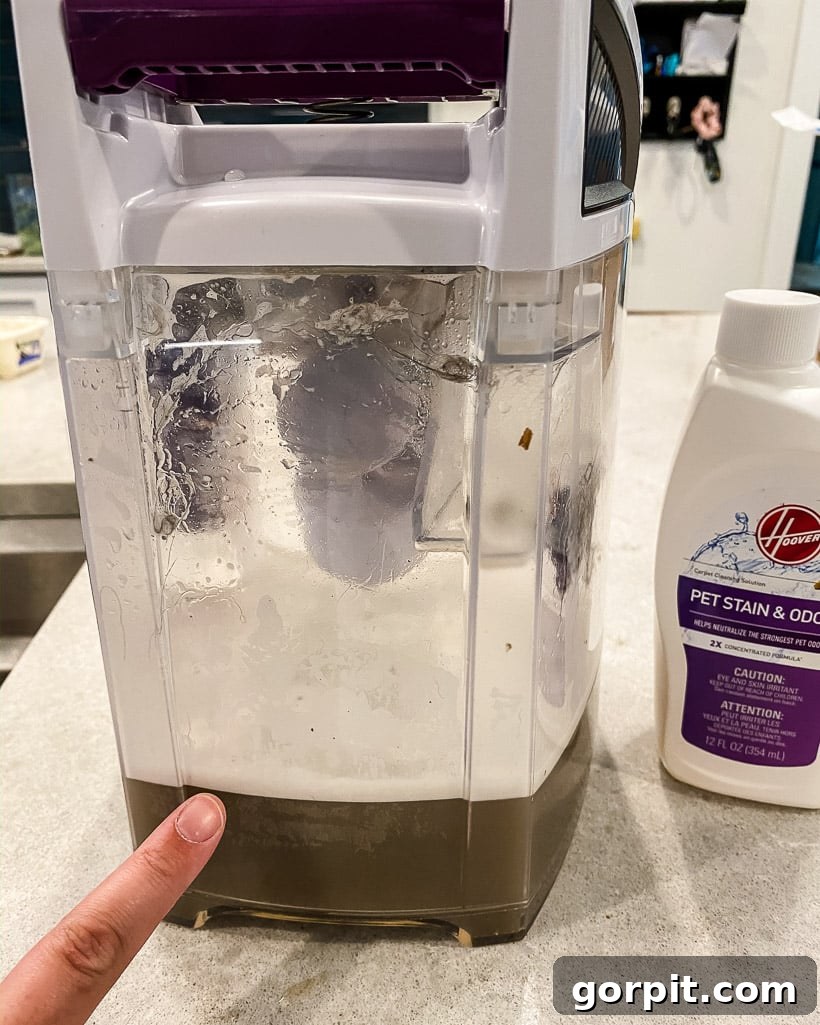
I use this Hoover carpet cleaning solution with our machine and have consistently achieved excellent results. However, as with any cleaning product, always perform a spot test on an inconspicuous area of your rug first to ensure there are no adverse reactions or discoloration.
Proper Drying for Longevity:
After deep cleaning, proper drying is crucial to prevent mold, mildew, and unpleasant odors. Ensure the room is well-ventilated; open windows, use fans, or run a dehumidifier. Avoid walking on the rug until it is completely dry, which can take several hours depending on humidity and the rug’s thickness. You can gently lift the rug slightly (if portable) or place objects underneath to allow air circulation, speeding up the drying process.
Maintaining Your Rug’s Beauty Long-Term
Beyond regular cleaning, adopting a few simple habits can significantly contribute to the long-term beauty and cleanliness of your area rugs:
- Use Rug Pads: A good quality rug pad not only prevents your rug from slipping but also provides a cushioning layer that protects the rug fibers from wear and tear caused by foot traffic. It also helps with air circulation, which can prevent moisture buildup.
- Rotate Your Rugs: Periodically rotate your rugs, especially in high-traffic areas or spots exposed to direct sunlight. This ensures even wear and prevents one section from fading or deteriorating faster than the rest.
- Implement a Shoe-Free Policy: Removing shoes at the door dramatically reduces the amount of dirt, dust, and outdoor pollutants tracked onto your rugs, keeping them cleaner for longer.
- Trim Frayed Edges: If you notice any loose threads or frayed edges, trim them carefully with scissors instead of pulling them. Pulling can unravel the rug’s weave.
So there you have it! Cleaning an area rug is far from the intimidating task it might seem. (Interestingly, cleaning an outdoor rug involves a different, yet equally straightforward, process!) By consistently implementing regular vacuuming, promptly addressing stains, and committing to an annual deep clean, you’ll be able to maintain your area rugs in a beautifully fresh and inviting condition, year after year.
Other posts you may enjoy:
- How to Clean Leather Furniture and Protect It
- The Best Ways to Keep Your House Clean With Dogs
- DIY Tip to Keep Your Sofa Looking Brand New
More Helpful Rug Posts
SEE ALL RUG POSTS
-
Designer Tips for Choosing Perfect Kitchen Rug Runners
-
How to Choose the Best Rug Size for Your Living Room
-
How to Install a Stair Runner: A Step-by-Step Tutorial
-
How to Keep Rug Corners Down – Tips and Tricks for Every Homeowner
-
The Best Places to Shop for Affordable Rugs
-
The Rug Pad Guide: What You Need to Know Before You Buy
Wondering how I approach transforming rooms and spaces in our home? Check out Designer in a Binder®.
And if you want exclusive content and behind-the-scenes sneak peeks, be sure to subscribe before you head out!
Sign up for exclusive content and behind-the-scenes sneak peeks!
(Placeholder for subscription form content)