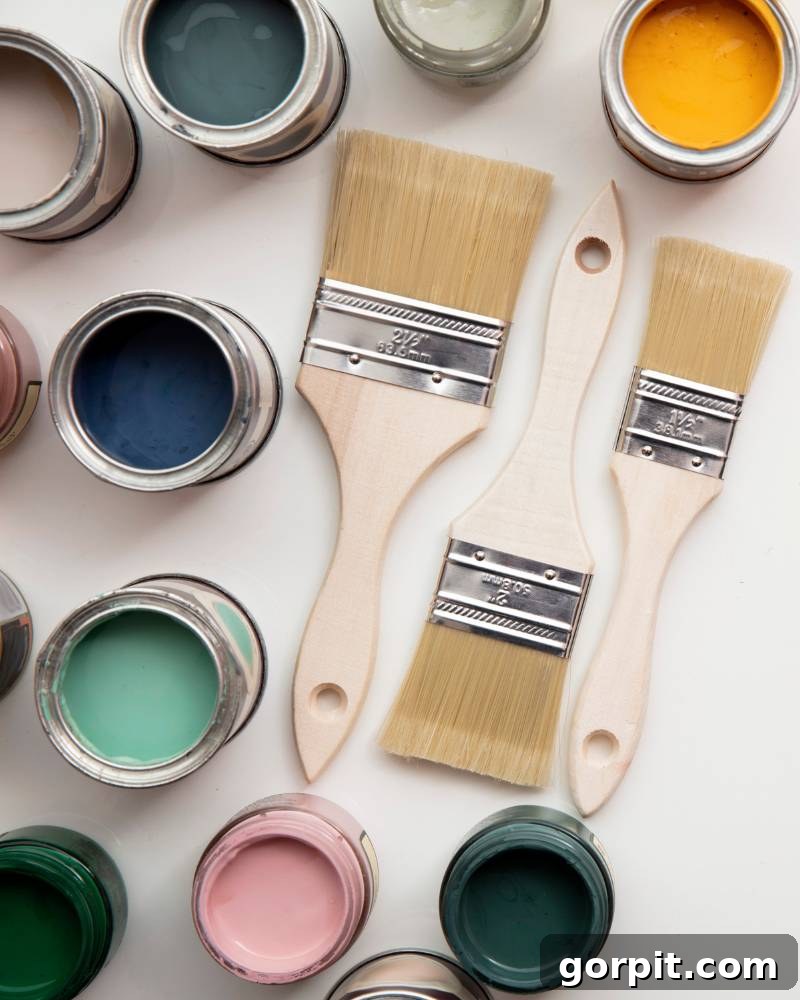
Embarking on a DIY room painting project can be incredibly rewarding, transforming your space with a fresh coat of color. However, one of the most common dilemmas homeowners face is figuring out exactly how much paint to purchase. Overbuying leads to wasted money and storage headaches, while underbuying means frustrating, time-consuming trips back to the store, often disrupting your painting flow.
As experienced DIYers, we’ve navigated countless painting projects and learned valuable lessons about accurate paint estimation. We understand the challenges of accounting for room dimensions, wall conditions, significant color changes, and different paint types. This comprehensive guide will equip you with our tried-and-true paint calculator formulas, practical guidelines, and expert tips to ensure you buy just the right amount of paint for any room painting project, saving you time, money, and stress.

Table of Contents
Painting a room involves more than just picking up a brush. Before you even think about how much paint to buy, you’ll need to make several key decisions. First, selecting the perfect paint color sets the mood for your entire space. Then, choosing the right paint sheen is vital for durability and aesthetic appeal. Don’t forget to test paint color samples on multiple walls to see how the light affects your chosen shade throughout the day. Only after these crucial steps can you confidently move on to the final puzzle piece: calculating the precise amount of paint for your project. Let’s delve into the smart way to determine your paint needs!
How Do I Calculate How Much Paint I Need?
A Note About Priming
Priming walls before painting is a step often overlooked, but it plays a critical role in achieving a professional and long-lasting finish. While many modern paints are advertised as “paint + primer in one,” understanding when a dedicated primer is truly necessary can save you time and improve your results. Primers act as a foundational layer, preparing the surface for optimal paint adhesion and coverage.
You absolutely need a separate primer if your drywall is unfinished or newly installed. Primer seals the porous surface, preventing the paint from being absorbed unevenly and ensuring a consistent color. Additionally, priming is essential when making a drastic color change, such as transitioning from a dark color to a light one, or vice-versa. A good primer will effectively block the old color, reducing the number of paint coats required to achieve full opacity. Primers are also invaluable for hiding stains, smoke damage, or other imperfections, creating a clean canvas for your topcoat.
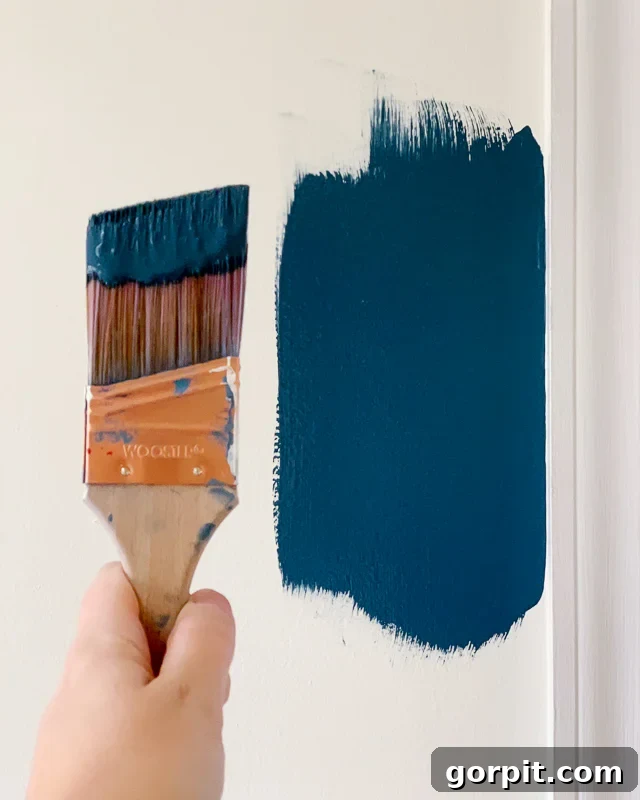
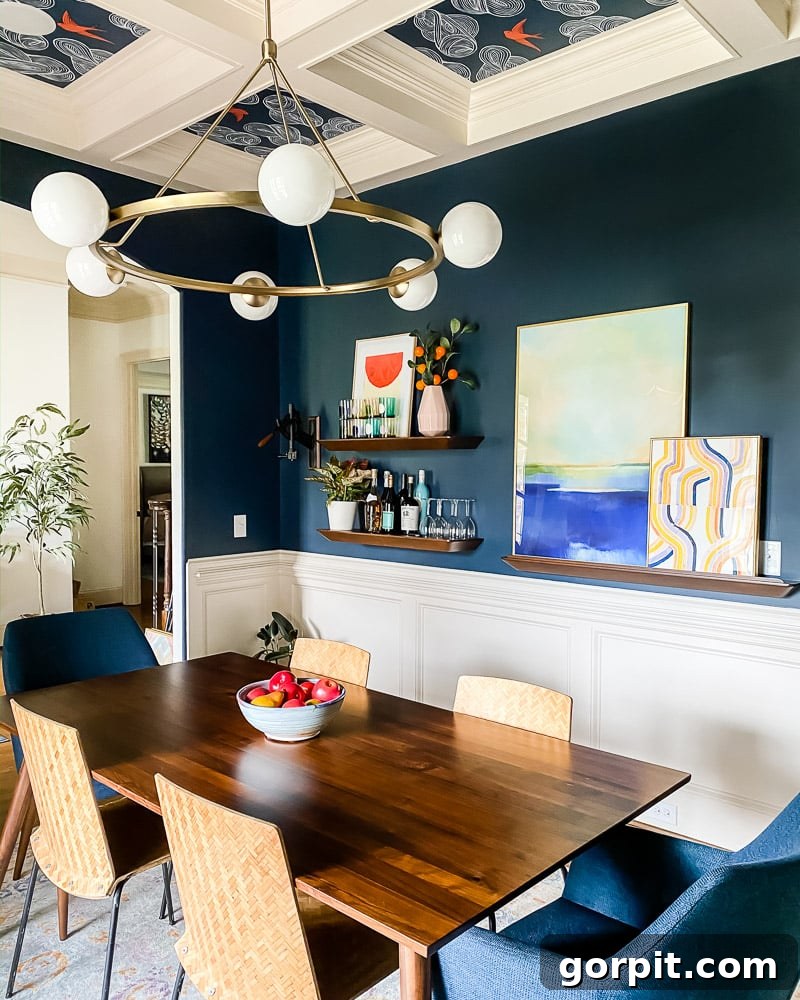
For specific projects, consider a tinted primer. If you’re painting your walls a rich, dark color like navy blue, asking your local paint store to tint your primer towards your chosen paint color can significantly enhance coverage and depth, often allowing you to achieve your desired look with one less coat of paint. This small step can lead to noticeable savings in both paint quantity and application time.
However, priming isn’t always mandatory. If you’re painting over a previously painted or primed surface that is in excellent condition and you’re using a similar color, you may be able to skip the primer. If you need to match an existing paint color, ensure the surface is clean and smooth before proceeding. Ultimately, assess your walls’ condition and your project goals to decide if priming is a necessary step for your DIY success.
Step 1: Calculate the Surface Area
The first and most critical step in determining how much paint you need is accurately calculating the total surface area you intend to paint. Begin by measuring the height of each wall from floor to ceiling, and then measure the length of each wall. Multiply these two values (height x length) to get the square footage of each individual wall. Sum these areas to get your total wall square footage. If you plan to paint your ceiling the same color as your walls, measure its length and width and add that area to your total.
Remember to subtract the area of any windows and doors that will not be painted. For a typical door, assume a size of 3 feet by 7 feet (21 square feet). For windows, measure their specific dimensions. Subtracting these areas provides a more precise calculation of the actual paintable surface.
PRO TIP: Textured Walls
Textured surfaces, such as popcorn ceilings or heavily textured drywall, will absorb more paint due to their increased surface area. For these types of surfaces, it’s wise to calculate approximately 20% more square footage to ensure adequate coverage. For instance, if your room’s calculated smooth surface area is 400 square feet, adjust it to 480 square feet for textured surfaces in your paint quantity calculations.
EXAMPLE CALCULATION
Let’s calculate the surface area for a rectangular room that is 12 feet long, 10 feet wide, and has 8-foot high ceilings. We’ll also assume one door (3ft x 7ft) and one window (4ft x 4ft) that will not be painted.
- Calculate Wall Area:
- Two walls: 12 ft (length) x 8 ft (height) = 96 sq ft each. Total: 96 * 2 = 192 sq ft.
- Two walls: 10 ft (width) x 8 ft (height) = 80 sq ft each. Total: 80 * 2 = 160 sq ft.
- Total Wall Area: 192 + 160 = 352 sq ft.
- Calculate Ceiling Area (if painting):
- 12 ft (length) x 10 ft (width) = 120 sq ft.
- Calculate Area to Subtract (Door & Window):
- Door: 3 ft x 7 ft = 21 sq ft.
- Window: 4 ft x 4 ft = 16 sq ft.
- Total to Subtract: 21 + 16 = 37 sq ft.
- Total Paintable Surface Area:
- (Total Wall Area + Ceiling Area) – Area to Subtract = (352 + 120) – 37 = 472 – 37 = 435 sq ft.
Knowing the precise square footage of the area that needs paint is the foundation of accurate paint estimation. This critical step prevents those annoying last-minute dashes to the store for more paint!
Step 2: Check the Coverage Area of the Paint
Once you have your total paintable surface area, the next step is to understand the coverage capacity of your chosen paint. Every gallon of paint comes with an estimated coverage area, usually indicated on the can, which tells you how many square feet it can cover with a single coat. This number is typically based on application to a smooth, primed, or previously painted surface.
As a general guideline, most interior paints will cover approximately 350-400 square feet per gallon on a smooth surface. However, this can vary significantly. If you are painting a brand-new, unprimed surface (like bare drywall) or a heavily textured wall or ceiling, the paint will be absorbed more, and its coverage will be reduced. In such cases, a gallon of paint might only cover around 250-300 square feet.
To calculate the number of gallons needed for a single coat, simply divide your total paintable surface area (from Step 1) by the paint’s coverage area per gallon. Always refer to the specific product information on your paint can for the most accurate coverage rates.
Here’s an example: Suppose your paintable surface area is 435 square feet (from our previous calculation), and the gallon of paint you plan to use has a coverage rate of 400 square feet per gallon. For a single coat of paint, you would need 435 / 400 = 1.0875 gallons. This means you would need slightly more than one gallon for one coat.
Step 3: Factor in the Number of Coats
While a single coat of paint might seem appealing for time and cost savings, in most real-world painting projects, multiple coats are necessary to achieve a durable, even, and vibrant finish. The number of coats needed depends on several factors, including:
- Color Change: If you’re painting over a significantly darker or brighter color with a lighter one, or vice-versa, you will almost certainly need two, or even three, coats to fully obscure the previous color.
- Paint Quality: Higher-quality paints often offer better coverage and pigmentation, potentially requiring fewer coats. However, even premium paints typically benefit from a second coat for depth and durability.
- Surface Condition: Porous surfaces, or walls with minor imperfections, will absorb more paint and may require additional coats.
- Desired Finish: For a truly rich, saturated color or a flawless, professional look, two coats are almost always recommended, regardless of the paint or surface.
More often than not, even with high-quality paint, we find ourselves applying at least two coats for optimal results. Therefore, when calculating your paint needs, you must multiply your single-coat gallon requirement by the anticipated number of coats.
To determine the total number of gallons to buy, multiply the number of coats by the single-coat paint requirement. Using our previous example: if your paintable surface area is 435 square feet, your paint covers 400 square feet per gallon, and you plan on applying two coats, the calculation would be: 2 coats * (435 sq ft / 400 sq ft per gallon) = 2 * 1.0875 gallons = 2.175 gallons. This suggests you’d need approximately two and a quarter gallons for the entire project.
Step 4: Account for Waste
Even the most meticulous painter will encounter some level of paint waste during a project. Spills, splatters, paint left in brushes and rollers, and even the small amounts that dry out in the can contribute to this. More importantly, you’ll want to have some leftover paint for quick and easy touch-ups down the line. Scratches, scuffs, or unexpected marks are inevitable, and having matching paint on hand will save you from having to buy a new can or try to color-match later.
The worst scenario is running out of paint just before completing your project, especially if you’re close to finishing. It means dropping everything, driving to the store, and hoping they have the exact batch of paint available. To avoid this common frustration, it’s wise to factor in a small buffer for waste and future touch-ups.
A widely accepted rule of thumb is to add approximately 10% to your total calculated paint amount. This small extra ensures you have enough to complete the job seamlessly and a small reserve for those future minor repairs.
Continuing our example: if your total calculated paint need is 2.175 gallons, adding 10% for waste and touch-ups means you should buy 2.175 * 1.10 = 2.39 gallons. Since paint is typically sold in full gallon (and sometimes quart) increments, you would round up and purchase three gallons to be safe. It is always better to have a little extra paint at the end of your project than to run out when you’re almost done!
Frequently Asked Questions
Generally, one gallon of interior paint is estimated to cover approximately 350-400 square feet of a smooth, primed surface with a single coat. This makes it sufficient for a small room like a bathroom, which might be around 400 square feet in total area. For a typical average-sized room, you’ll often need one to two gallons. However, this is a very rough estimate! Always remember that factors like wall texture, surface porosity, whether you primed, the existing color, and the new color you are using will significantly influence actual coverage. For precise planning, always use the calculation formula outlined above to determine your exact paint needs.
The amount of paint required for a bedroom can vary greatly depending on its size and features. An average bedroom typically measures around 10×12 feet, resulting in approximately 350-450 square feet of wall space (assuming 8-foot ceilings and accounting for doors/windows). For such a room, applying two coats of paint usually requires about two gallons. However, larger bedrooms, rooms with high ceilings, or those requiring significant color changes might need more. To avoid multiple trips to the store, it’s always best to measure your specific bedroom dimensions and use the calculation method to get the most accurate estimate.
The cost to paint a bedroom depends on several variables: the quality and brand of paint you choose, whether you paint the trim and ceiling, and if you’re doing it yourself or hiring professionals. For a DIY project, a gallon of Sherwin Williams Super Paint (a personal favorite for its durability and coverage) often costs around $50 when on sale, with a non-sale price closer to $69. If an average-sized bedroom requires two gallons, your paint material cost would be roughly $100 to $140. This figure doesn’t include supplies like rollers, brushes, tape, or primer.
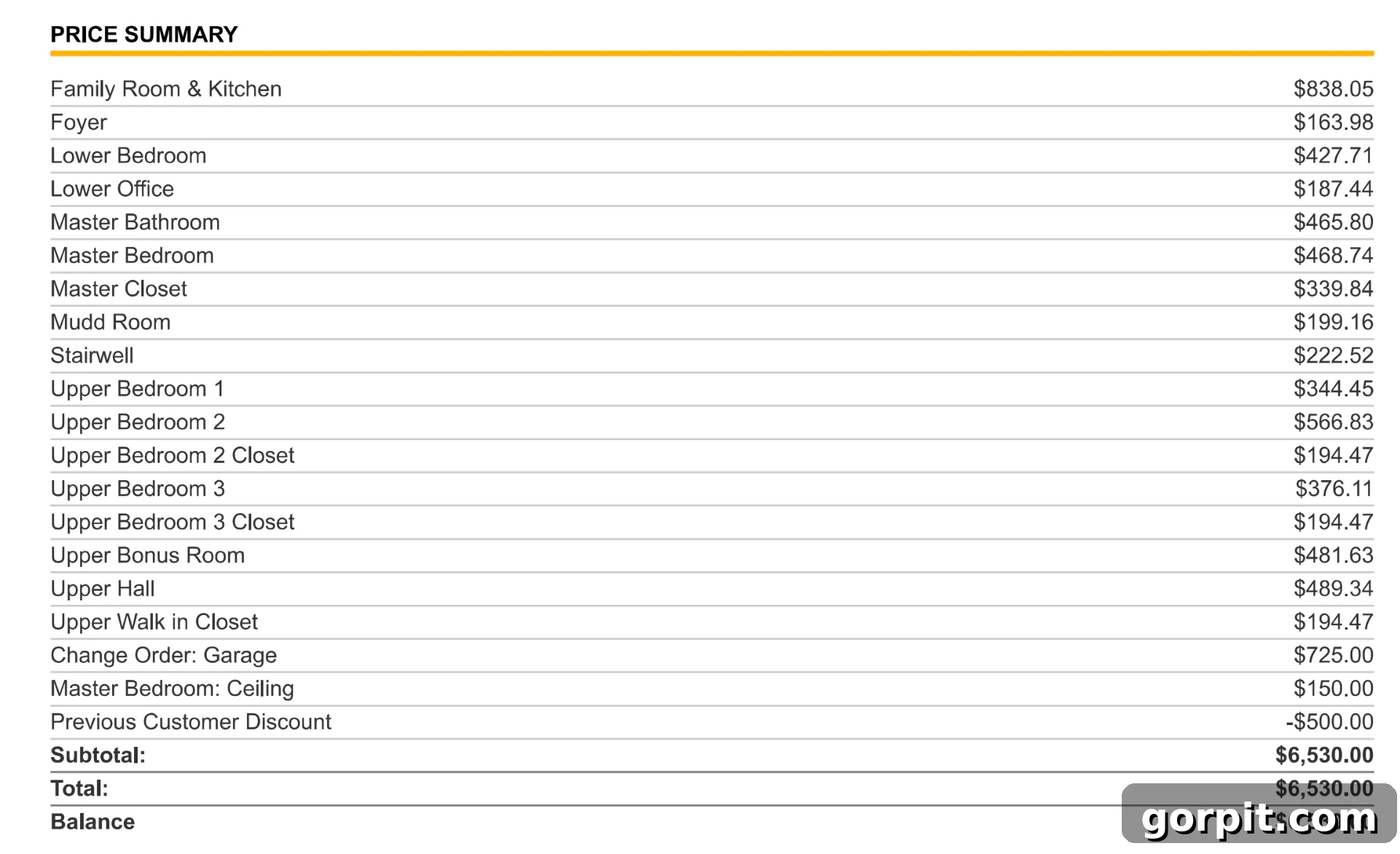
If you opt for professional painters, the cost will be significantly higher. Based on our past experiences, having the walls double-coated (excluding trim or ceilings) for a bedroom typically ranged from $344 to $566. These prices can fluctuate based on your geographic location, the complexity of the room, and the specific contractor.
A normal, medium-sized living room, approximately 12×12 feet with standard eight-foot ceilings, will generally require around three gallons of paint for two coats. However, living rooms can vary dramatically in size and layout. Large living rooms, those with vaulted or high ceilings, or open-concept floor plans that flow into other areas (like a dining room or kitchen) will naturally demand a considerably greater amount of paint. Always measure your specific living room dimensions, including any unique architectural features, and apply the formula to ensure you purchase enough paint. Guessing on a large space like a living room is a common mistake that leads to multiple store runs.
The cost of hiring professional painters can vary widely based on location, the scope of work, and the company. Based on our experience in North Carolina in October 2020 (with CertaPro painters using Sherwin-Williams Super Paint for double-coated walls, excluding trim or ceilings unless specified), here’s a breakdown of what we paid:
- Bedrooms: $344 – $566 each
- Great Room (Family Room and Kitchen combined): $838
- Walk-in Closets and smaller areas (like a mudroom): around $200 each
We previously always handled our own interior painting, but due to severe time constraints, we hired professionals for our current home. There’s no shame in investing in professional help when time, energy, or desire for a DIY project is lacking!
It’s important to note that these figures are specific to our experience and location. Regional pricing differences can be substantial. For an accurate quote, always consult local painting professionals in your area.
Calculating the correct amount of paint for your room is a crucial step for a smooth, efficient, and successful DIY painting project. By diligently following our four-step formula – calculating surface area, checking paint coverage, factoring in the number of coats, and accounting for waste – you can confidently purchase the right quantity of paint. Let the math guide you, and you’ll avoid the common pitfalls of overbuying or, worse, running out of paint midway through your transformation. Careful planning on the front end ensures a satisfying finish and allows you to truly enjoy the process of refreshing your home.
More Paint Posts
SEE ALL PAINT POSTS
-
9 Life-Changing Painting Hacks Everyone Should Know
-
How Durable are DIY Painted Kitchen Cabinets?
-
How to Paint Kitchen Cabinets (From a DIYer Who Has Done it 3 Times)
-
How Have Our Painted Countertops Held Up?
-
The Best Neutral Paint Colors for Kitchen Cabinets
-
How to Paint IKEA Furniture and Mistakes to Avoid
Curious about how to approach transforming rooms and spaces in your own home? Discover the strategies and insights shared in Designer in a Binder®.
For exclusive content and behind-the-scenes sneak peeks into our latest projects, be sure to subscribe before you leave!