

In the evolving landscape of home decor and technology, one innovation has consistently captured the imagination of design enthusiasts and tech-savvy homeowners alike: the Samsung Frame TV. If you’ve ever scrolled through Instagram and paused on a stunning living room photo, wondering how the television seamlessly blends into the artwork on the wall, chances are you’ve encountered the magic of a Samsung Frame TV. These unique devices promise to transform the mundane black rectangle of a TV into a sophisticated piece of framed art, making it an integral part of your interior design rather than a distracting appliance.
Like many, we were captivated by the concept. After years of admiring them from afar, we finally decided to integrate a Samsung Frame TV into our family room, approaching the purchase with considerable anticipation and high expectations. Our journey began with a 2021 model, which has now graced our home for over four years. More recently, in a testament to our initial satisfaction, we acquired a newer model over twelve months ago for another prominent area. Having experienced both iterations extensively, I’m ready to share a truly unbiased and in-depth review of this revolutionary “picture frame TV,” exploring whether it lives up to its considerable hype and if it truly represents a worthwhile investment for every household.
The Samsung Frame TV is frequently lauded as the unparalleled solution for integrating technology with aesthetics, being promoted as the only television capable of masquerading as framed art when not in active use. But does this bold claim hold up to real-world scrutiny? And is the premium price tag for this “art TV” justified? This comprehensive review delves into our honest experiences with both the 2021 and the very latest models of the Samsung Frame TV. Spoiler alert: while it’s an exceptional product in many ways, I firmly believe it’s not a universal fit or a necessary extravagance for everyone. Continue reading to discover the nuances, benefits, and potential drawbacks that led us to this conclusion.

This detailed review includes affiliate links, which means we may earn a small commission at no extra cost to you if you make a purchase through them. This helps support our content creation. For more information, please refer to our full disclosure policy.
Our journey with the Samsung Frame TV began in 2021 when we acquired our first unit. Its transformative impact on our living space was so significant that we decided to purchase a second Frame TV in November 2023, destined for another prominent area in our home. This dual experience provides a unique perspective on both older and newer models. Below, you’ll find a breakdown of the specific models we currently own, offering transparency into our personal setup and helping you understand the context of our observations.
Our Frame TVs
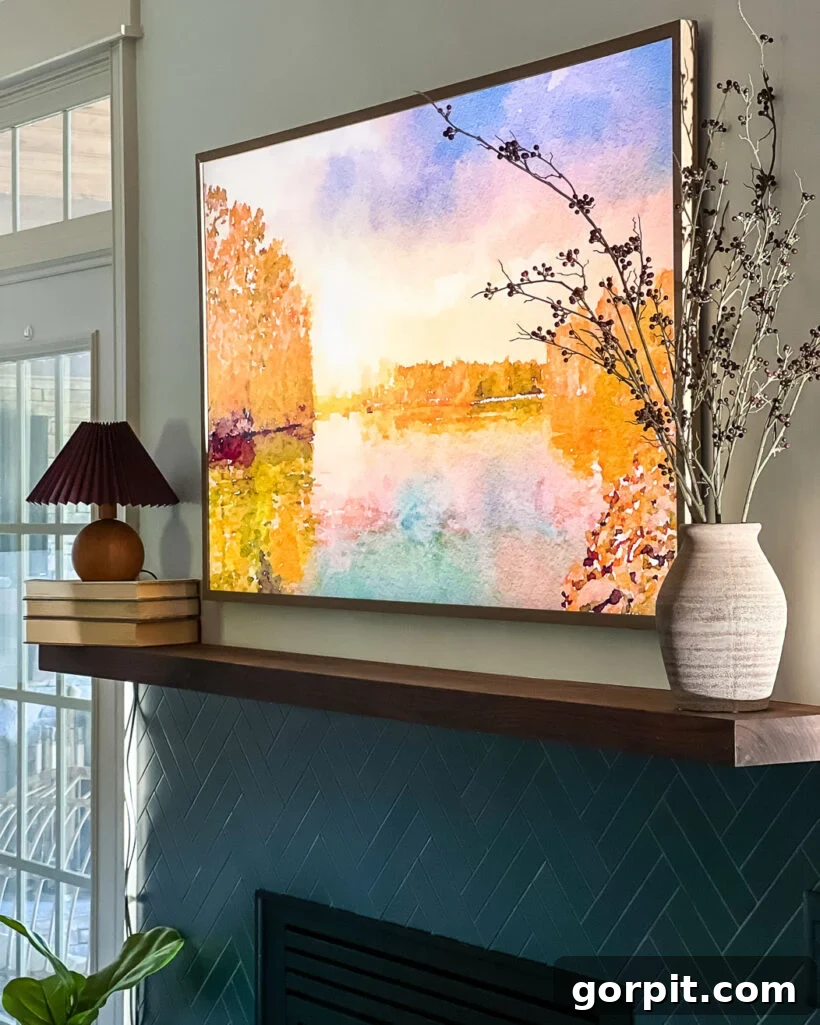
Samsung Frame TV 2021 Model: The Pioneer
Our initial foray into the world of Frame TVs was with this specific 2021 model (QN55LS03AAFXZA). It has been a prominent feature in our family room for several years, elegantly mounted above our fireplace. This model introduced us to the unique “Art Mode” and the seamless integration that the Frame TV promises, setting a high standard for aesthetic appeal in a television.
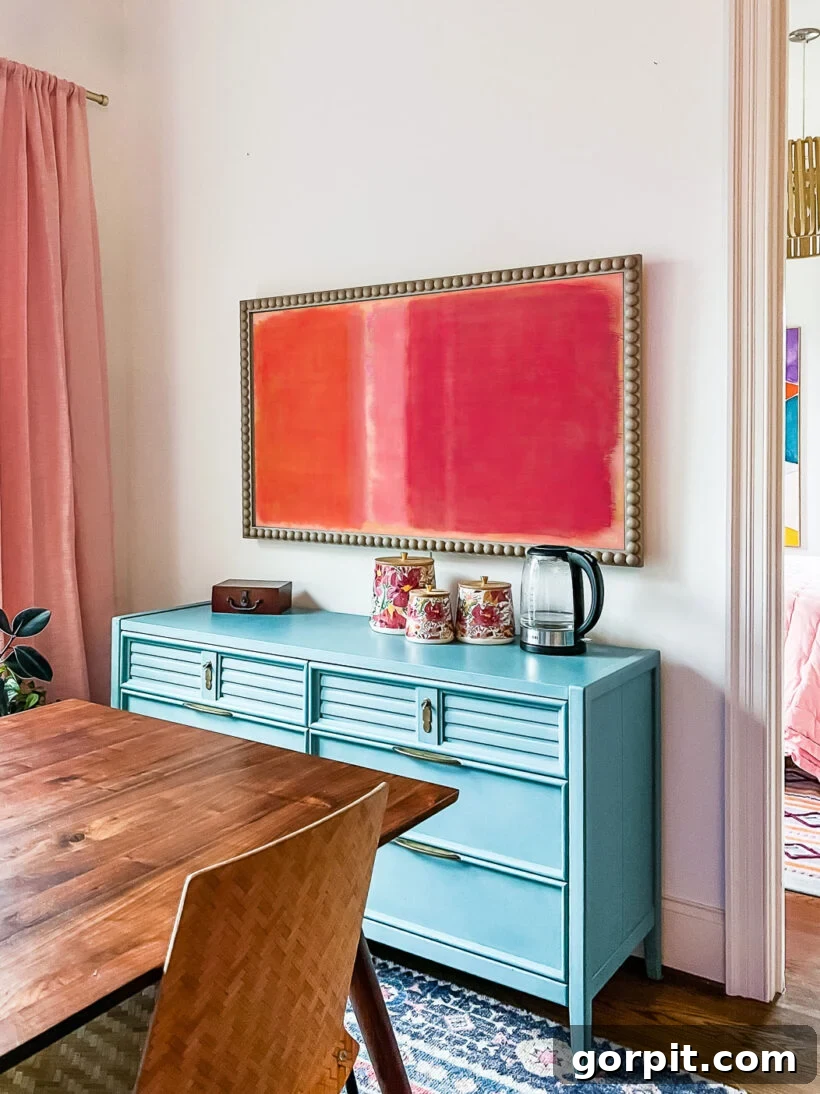
Samsung Frame TV Latest Model: The Enhanced Version
Our most recent Samsung Frame TV acquisition, made in November 2023, is the latest model (QN55LS03BAFXZA). This version boasts the highly anticipated anti-glare/matte screen feature, a significant upgrade. It is beautifully integrated into our eat-in kitchen nook, where its enhanced display characteristics are particularly appreciated given the natural light in that area. This allowed us to directly compare the performance improvements over our earlier model.
What is the Samsung Frame TV? The Fusion of Art and Technology
At its core, the Samsung Frame TV is a high-performance QLED HDR Smart TV, delivering brilliant 4K resolution. This means it functions impeccably as a modern television, allowing you to effortlessly stream content from popular services like Netflix, Hulu, Disney+, and all your other favorite platforms. Beyond its visual prowess, it integrates seamlessly into the smart home ecosystem, coming equipped with built-in Amazon Alexa and Google Assistant. This allows for convenient voice control, letting you change channels, adjust volume, or even switch to “Art Mode” with simple verbal commands.
However, what truly distinguishes the Samsung Frame TV from any conventional television is its groundbreaking design philosophy and its primary raison d’être: to disappear when not in use. Unlike typical TVs that protrude awkwardly, the Frame TV is designed to mount almost perfectly flush against the wall, mimicking the slim profile of a genuine art piece. But the real game-changer, the feature that truly sets it apart from every other television on the market, is its ability to display high-quality digital artwork and personal photos when you’re not actively watching TV. It literally transforms into a sophisticated “picture frame TV.”
This seamless transformation is powered by intelligent sensor technology. A sophisticated brightness sensor continuously monitors external ambient lighting conditions. It intelligently adjusts the screen’s brightness and color tone automatically, ensuring that the displayed artwork maintains a consistent, natural appearance, regardless of whether it’s bright daylight or subtle evening lamplight. Furthermore, a built-in motion sensor enhances energy efficiency and realism: it detects when someone enters or leaves the room, turning the artwork display on and off accordingly. This means the screen is active when admired and powers down when no one is present, saving energy and adding to the illusion that it’s a static piece of art.
While the Frame TV excels at mimicking art, it’s important to set realistic expectations. You can almost mistake it for an original artwork hanging on the wall due to its stunning resolution and customizable white balance/tone settings, which allow you to tailor the display to your room’s specific lighting for maximum realism. However, because the screen is backlit, it will never perfectly replicate the nuanced texture and depth of an original canvas painting or a traditional matted print. There will always be a subtle difference. Nevertheless, it undeniably offers a far more aesthetically pleasing solution than a large, imposing black box dominating your wall. The visual impact of having curated art instead of a blank screen is truly remarkable and often elicits compliments from guests.
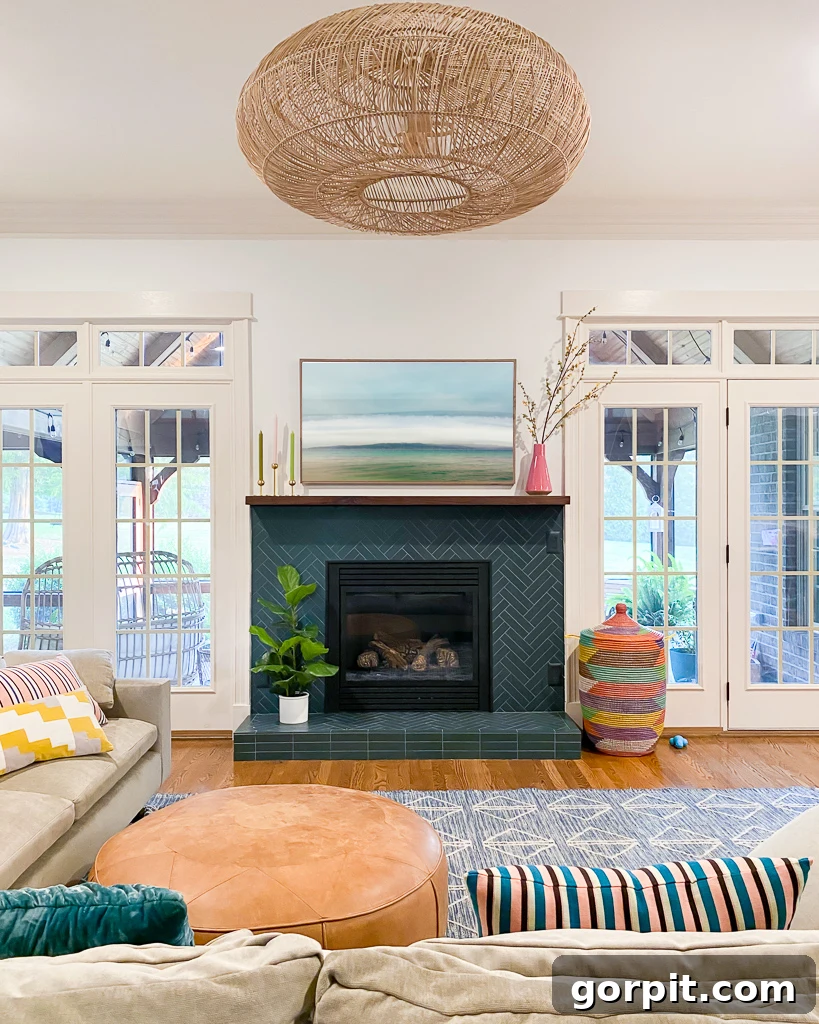
What I Love About Our Frame TVs: Key Features and Benefits
Beyond the initial aesthetic appeal, the Samsung Frame TV is packed with several ingenious features that truly enhance its value and user experience. Many of these, to my delight, were only fully appreciated once the TV was mounted and actively integrated into our daily lives. Foremost among these is the revolutionary “No-Gap Wall Mount” that comes standard with the television. This isn’t just a mount; it’s a design marvel that allows the TV to sit almost perfectly flush against the wall, mirroring the elegant presentation of a framed art piece. This contrasts sharply with typical TV mounts, which often leave unsightly gaps of several inches behind the screen, disrupting the clean lines of your interior.
My absolute favorite feature, and arguably the Frame TV’s most compelling selling point, is its “Art Mode” functionality. When you switch the TV “off,” it doesn’t revert to a blank, dark screen. Instead, it transitions into a gallery, displaying your meticulously chosen digital artwork. The previously mentioned motion sensor plays a crucial role here: when we retire for the night, after a period of no detected movement, the screen intelligently powers down completely to conserve energy. However, the moment someone re-enters the room, the motion sensor reactivates, and the chosen artwork gracefully reappears on the screen, creating a continuous, dynamic display that enhances the room’s ambiance without constant manual intervention.
A common concern with displaying static images on screens for extended periods is the risk of “burn-in,” where residual images can permanently damage the display. Samsung ingeniously addresses this with its advanced LED Quantum Dot technology. This cutting-edge display technology is specifically engineered to prevent image burn-in, assuring users that they can enjoy “Art Mode” for as long as they desire without damaging the screen. This technology not only ensures durability but also contributes significantly to the stunning resolution and vibrant, lifelike images that the Frame TV delivers, making the digital art appear incredibly realistic.
The unparalleled flexibility to display high-definition digital art is, without a doubt, the standout feature that justifies the investment for our family room. I genuinely adore how effortless and enjoyable it is to curate and change the digital art display, a practice I engage in quite frequently. This adaptability is particularly delightful during holidays and seasonal transitions, allowing us to instantly refresh our decor. For instance, this past Christmas, we adorned our Frame TV with this vibrant digital Christmas art, transforming our living space with festive cheer. It’s an interactive element that constantly breathes new life into our home’s aesthetic.

How Much Does the Samsung Frame TV Cost? A Look at Pricing
The question of cost is often paramount when considering a premium device like the Samsung Frame TV. Available in a diverse range of seven sizes, from a compact 32-inch model perfect for smaller spaces to an expansive 85-inch screen designed for grand living areas, the pricing structure reflects its innovative features and high-end positioning. To be frank, the Samsung Frame TV is an investment that falls into the higher price bracket compared to standard televisions of similar screen size and resolution. The entry-level 32-inch model typically starts around $575, making it accessible for those seeking the aesthetic without needing a huge screen. However, as you scale up in size, the price incrementally increases, with the impressive 85-inch model commanding a price tag of over $4,000. This significant price range underscores the importance of weighing its unique benefits against your budget and specific needs for a television that doubles as decor.
Are There More Affordable Options for a Picture Frame TV? Exploring Alternatives
Given the premium price point of the Samsung Frame TV, it’s only natural to wonder if more budget-friendly alternatives exist that can still deliver a similar aesthetic. The good news is, yes, there are viable options for achieving that coveted “picture frame TV” look without breaking the bank. Let’s explore a couple of compelling choices:
Option 1: The Innovative TCL NXTFRAME TV
A recent entrant into the market, the TCL NXTFRAME TV is quickly garnering attention as a promising and more affordable alternative to the Samsung Frame TV. Its design philosophy closely mirrors that of the Frame TV: it features a sleek profile that mounts remarkably flat against the wall using its included hardware. The most significant advantage of the NXTFRAME TV is its compelling price point, which is considerably lower than Samsung’s offering, making it an attractive option for value-conscious buyers.
What truly sets the TCL NXTFRAME TV apart, even from some Frame TV models, are its built-in features. It notably includes a light wood color frame right out of the box, saving you the additional cost and effort of purchasing a separate bezel. Moreover, a major design triumph is the elimination of any external “One Connect Box” – a common point of contention for Frame TV owners. All necessary ports and electronics are integrated directly into the TV itself, simplifying installation and eliminating cable management worries. The screen technology is also impressive, boasting an ultra-matte, anti-glare display that appears to rival, if not surpass