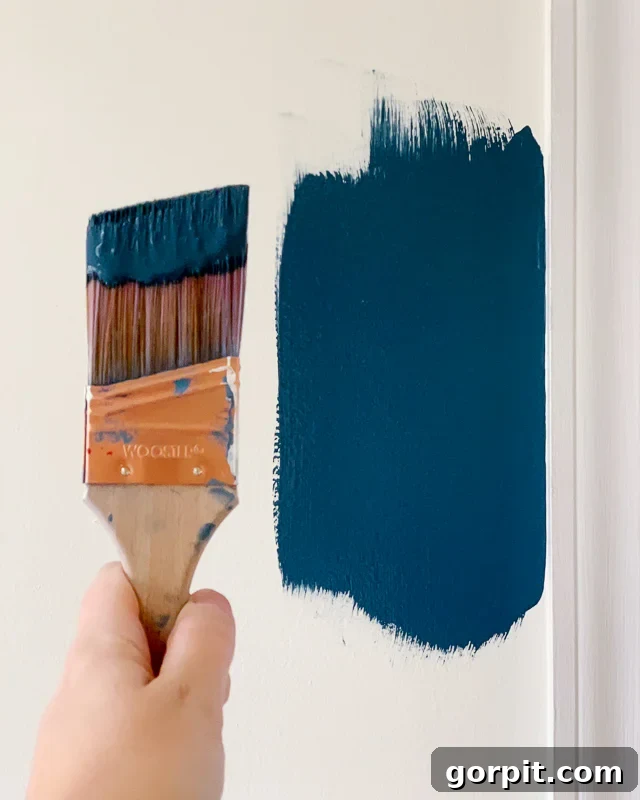
Choosing the perfect paint sheen can profoundly transform your home’s aesthetic and practical functionality. With a spectrum of options ranging from flat to high-gloss, understanding the unique characteristics of each finish is essential for achieving professional-looking and long-lasting results. This comprehensive guide aims to demystify paint sheens, helping you confidently select the ideal finish for every surface and every room in your house.
In this in-depth guide, we’ll explore the science behind paint sheen, break down the distinctions between popular finishes like matte, eggshell, satin, and semi-gloss, and provide practical advice on where and when to use each. Discover how paint sheen impacts durability, cleanability, and the way light interacts with your walls, trim, and cabinetry. By the end, you’ll be equipped with the knowledge to make informed decisions for your next painting project, ensuring beauty and resilience.
Table of Contents
With over two decades of experience as homeowners, we’ve transformed countless rooms through painting. While many focus intently on selecting the perfect paint colors, the choice of paint sheen is often overlooked, yet it plays an equally crucial role in the final outcome. Through every room makeover and renovation project we’ve undertaken, we’ve gained invaluable insights. One key area of expertise we’ve refined is understanding how to match the right paint sheen to each specific surface. This post condenses all those learnings to guide you through the often-confusing world of paint finishes and sheens, making your choices simpler and more effective.
What is Paint Sheen?
When we talk about “paint sheen,” we’re referring to the level of light reflectivity a dried paint surface possesses. Simply put, it dictates how shiny or dull your painted surface will appear. On a more scientific level, the sheen is determined by the ratio of binder (or resin) to pigment in the paint mixture. The binder is the component that forms a film and holds the pigment in place. The more binder or resin present in the paint, the higher its reflectivity and thus, the shinier the finish.
Paints are formulated along a spectrum, ranging from chalky, light-absorbing finishes to highly reflective, mirror-like surfaces. A higher resin content creates a smoother, harder film that causes light to bounce off its surface, resulting in a glossy appearance. Conversely, paints with less resin and more pigment tend to have a rougher, more porous surface that absorbs light, yielding a flat or matte look. This fundamental difference is what distinguishes each type of sheen and influences its performance, durability, and visual impact in any given space.
Choosing the correct paint sheen for your home involves a straightforward consideration of three key factors: the amount of traffic the area receives, the inherent imperfections of the walls or surfaces you’re painting, and your personal aesthetic preference. While practical considerations like durability and flaw concealment are important, your individual taste plays a significant role. Don’t hesitate to ask questions, gather samples, and even paint small swatches on your walls to see how different sheens look in your home’s unique lighting conditions before making a final decision. The right sheen can truly enhance your space, so take your time to choose wisely.
The Spectrum of Paint Sheens: Understanding the Options
The world of paint finishes offers a diverse spectrum, typically categorized into six primary sheens: Flat, Matte, Eggshell, Satin, Semi-Gloss, and High-Gloss. While you’ve likely encountered these terms before, truly understanding their unique qualities and appropriate applications is key to a successful painting project. Each sheen possesses distinct visual characteristics, varying levels of durability, and different maintenance requirements. Below, we’ll delve into each of these finishes, explaining what they look like, how they perform, and where they are best utilized within your home.
The sheen you select can have a tremendous impact on the overall design aesthetic of your space. Beyond just looks, it also significantly influences how well the painted surface will withstand the test of time, resisting wear, tear, and frequent cleaning. Understanding the nuances of durability and the ideal uses for each sheen isn’t complex, and once you grasp these differences, you’ll find the selection process much simpler and more rewarding. Let’s explore these finishes in detail to empower your painting choices.
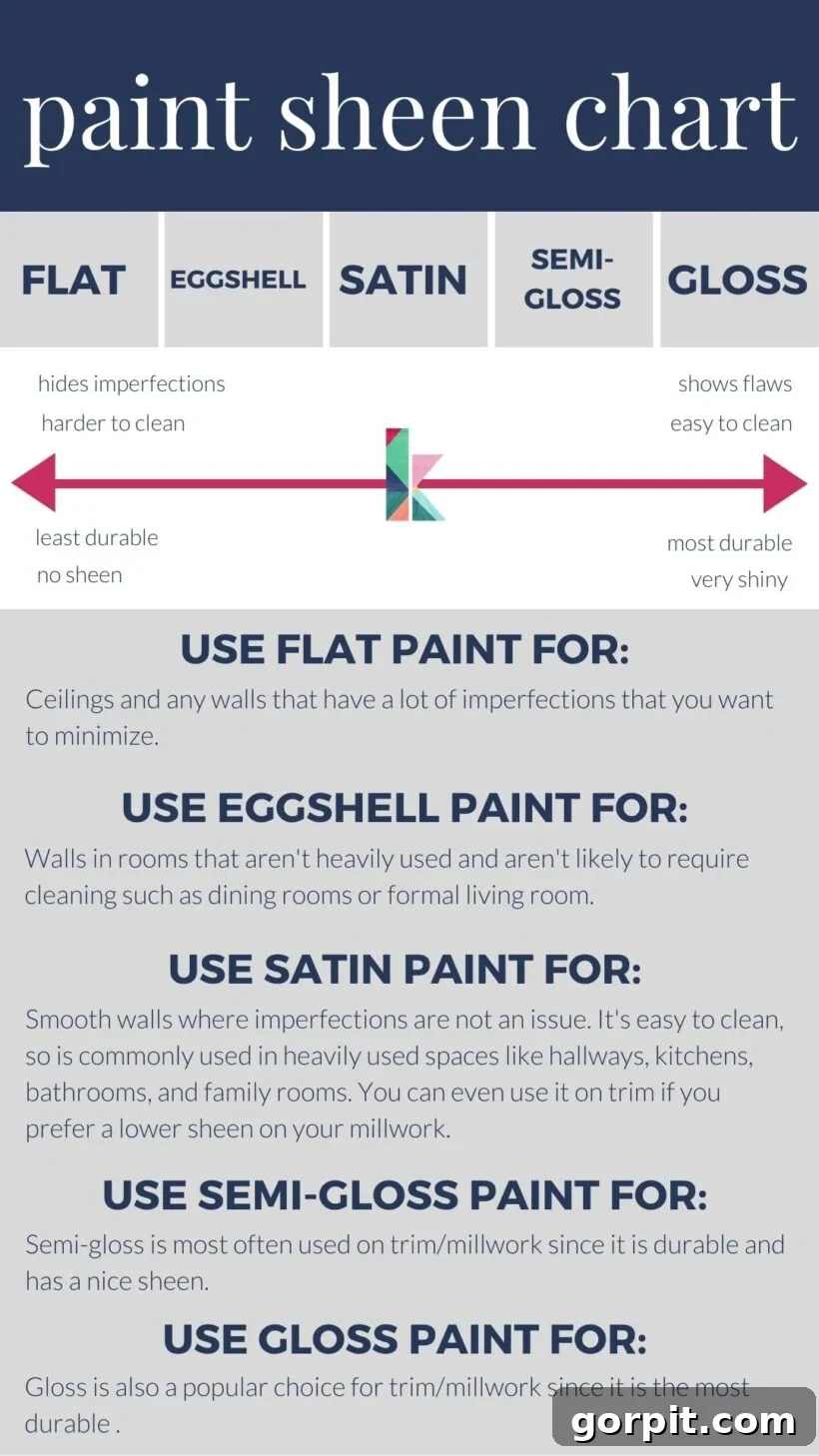
Choosing the Right Sheen for Your Project
Flat (0-3% Shine): A No-Shine Finish
Flat paint sheens are characterized by their complete lack of reflection, absorbing virtually all light rather than bouncing it back. This makes them incredibly forgiving, as they effectively camouflage surface imperfections such as bumps, waves, nail holes, and plaster repairs. For this reason, flat paint is often the preferred choice for ceilings, where it helps to hide minor drywall flaws and prevents unwanted glare. It creates a soft, sophisticated backdrop that enhances color depth.
However, an important consideration for flat finishes is their cleanability. While excellent for hiding flaws, flat paint is generally the least durable and most difficult to clean. It’s highly susceptible to scuffs, marks, and stains, and vigorous scrubbing, especially with abrasive tools like magic erasers, can easily damage the finish, creating shiny spots that stand out against the matte surface. If gentle cleaning with a damp cloth doesn’t remove a mark, a light touch-up with matching paint is often the best solution. In our homes, all ceilings, both past and present, have consistently been painted with a flat finish to achieve that uniform, non-reflective look.
Matte (3-10% Shine): A Subtle Sheen
Matte paint offers a very slight step up from flat in terms of reflectivity, providing a barely perceptible soft glow while still excelling at hiding surface imperfections. This makes it an attractive option for walls in living rooms, bedrooms, and dining areas where a sophisticated, non-glare finish is desired. It’s an excellent compromise if you appreciate the flaw-hiding properties of flat paint but desire a touch more depth and richness in your wall color.
Historically, matte paint shared some of the cleanability challenges of flat finishes. However, many modern paint manufacturers now offer “washable” or “cleanable” matte formulas. These advanced formulations incorporate enhanced binders that allow for gentle cleaning without compromising the low-sheen appearance. While still more prone to scuffs and stains than higher-sheen paints, investing in a scrubbable matte formula can alleviate maintenance concerns, providing a beautiful, low-luster finish that can withstand occasional wiping, making it suitable for slightly more active areas than traditional flat paint.
Eggshell (12% – 25% Shine): The Versatile Choice
When asked about the best paint sheen for interior walls, my answer is almost consistently eggshell. This finish strikes an ideal balance, offering a subtle, soft luster reminiscent of an eggshell, without being overtly shiny. It’s the sheen we’ve chosen for the walls in nearly every room of our homes, and for good reason.
Eggshell provides significantly more durability than flat or matte finishes, making it more resistant to scuffs and marks, even without purchasing a special formula. This enhanced resilience means it can be gently wiped down with a damp cloth to remove minor dirt or smudges, making it more practical for everyday living. However, much like matte, it’s best to avoid abrasive cleaners or “magic erasers,” as these can still affect the delicate sheen and leave noticeable shiny spots.
Beyond its practicality, I deeply appreciate the tactile quality of eggshell paint. It offers a smooth, substantial finish that doesn’t feel chalky to the touch, contributing to a premium feel. While it hides minor imperfections better than shinier finishes, it won’t completely mask significant wall damage. For the vast majority of families and homes, where walls encounter moderate wear and tear, eggshell is an impeccable choice. I only recommend a different sheen if a household faces extreme conditions, such as multiple pets, very young toddlers, or exceptionally high-traffic entryways where constant scrubbing is anticipated.
Satin (25-35% Shine): Durable with a Soft Glow
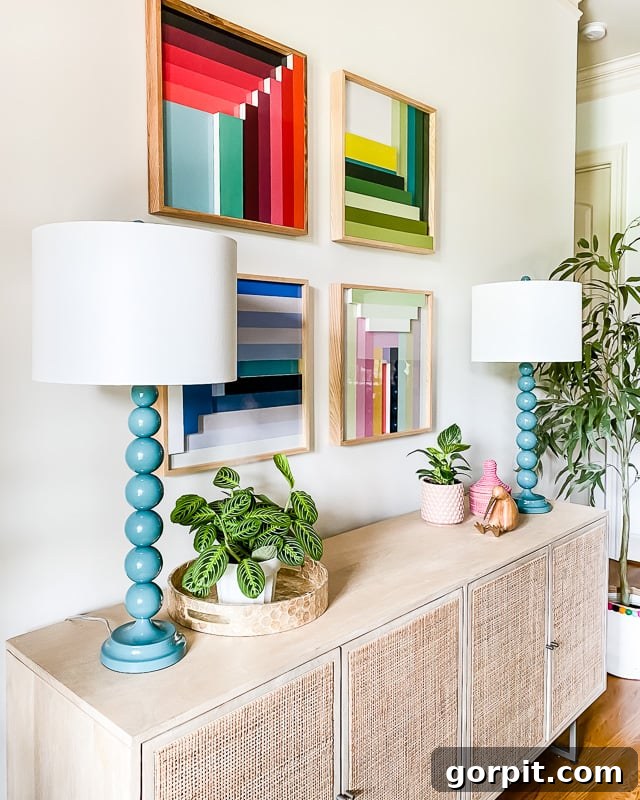
Satin paint marks a distinct increase in reflectivity compared to eggshell, producing a soft, pearl-like sheen that is noticeably lustrous. This subtle sheen brings a touch of elegance and depth to colors, making them appear richer and more vibrant. However, with increased reflectivity comes a trade-off: satin finishes tend to draw attention to surface flaws like cracks, nail holes, and uneven textures. Therefore, it is best applied to perfectly smooth and well-prepped walls to achieve the desired effect.
A major advantage of satin paint is its superior cleanability and durability. It withstands frequent wiping and scrubbing far better than eggshell, flat, or matte finishes, making it an excellent choice for high-traffic areas prone to dirt and scuffs. Many homeowners opt for satin on walls in mudrooms, hallways, kitchens, and bathrooms—spaces that regularly experience moisture, grease, or heavy contact. For instance, we’ve used satin in our garage, where the walls endure a significant amount of abuse, proving its resilience. If your walls frequently get dirty or scuffed, satin might be a more practical and longer-lasting choice for you than eggshell.
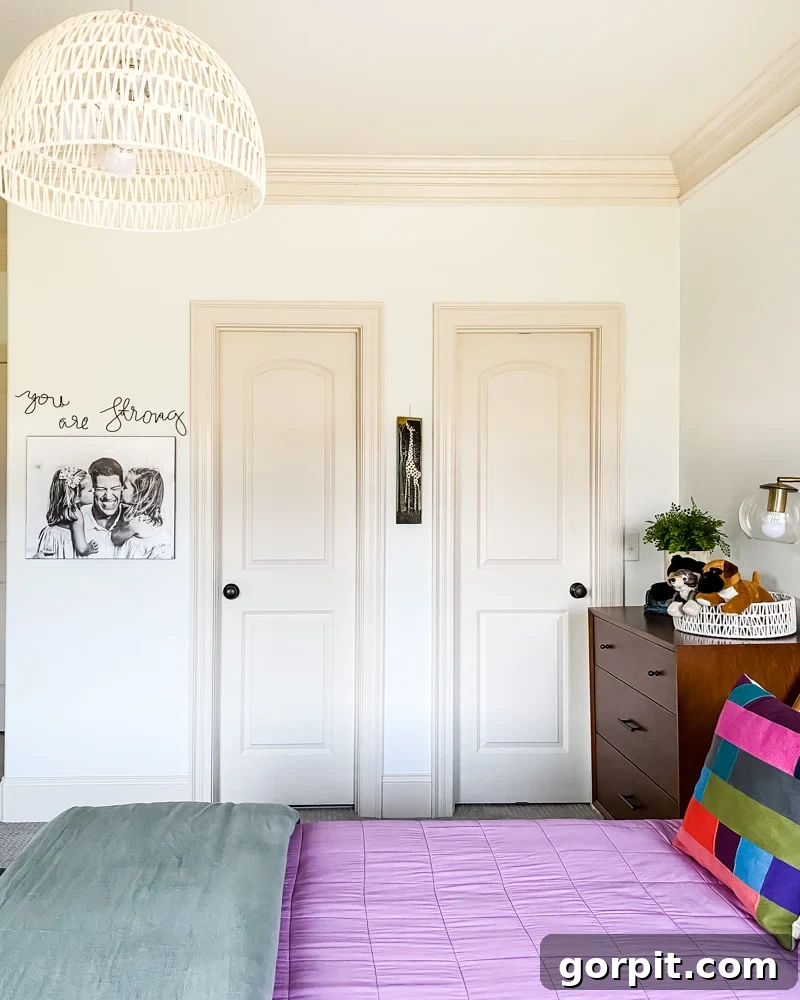
Interestingly, one surface where I find satin paint to be absolutely perfect is trim and millwork. While traditional wisdom often dictates semi-gloss or even high-gloss for trim, I personally prefer the understated elegance of a satin sheen on interior trim and doors. The trim and doors throughout our current house feature a satin finish, and I absolutely adore the less shiny, more refined appearance it creates. This unconventional choice beautifully complements the eggshell walls, providing a subtle contrast in sheen rather than a stark one. It also ties in with my appreciation for interior trim colors that aren’t white, allowing the trim to blend harmoniously with the overall decor while still offering excellent durability.
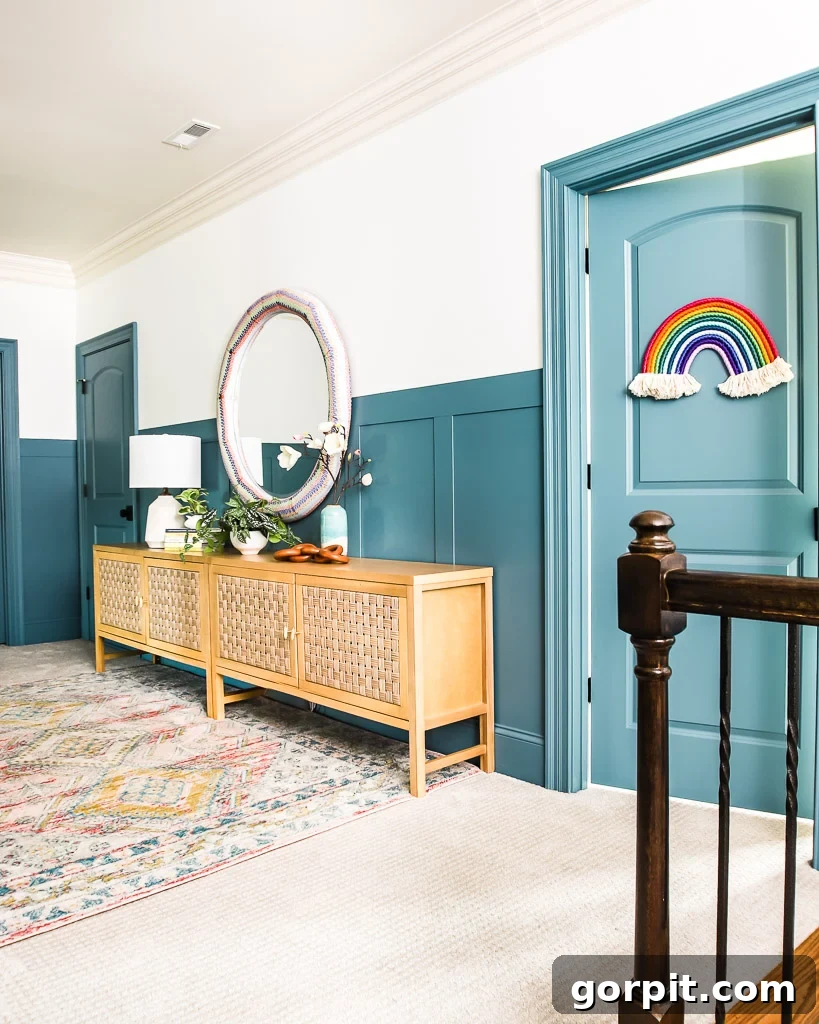
We also strategically chose satin for the board and batten accent wall we recently installed in our hallway. In this particular instance, we extended the same paint color from the trim and doors onto the board and batten itself. While I typically don’t opt for satin on general wall surfaces, maintaining a consistent sheen in this situation made perfect sense, creating a cohesive and polished look for the architectural feature.
Semi-gloss (35-60% Shine): High Durability and Easy Cleanability
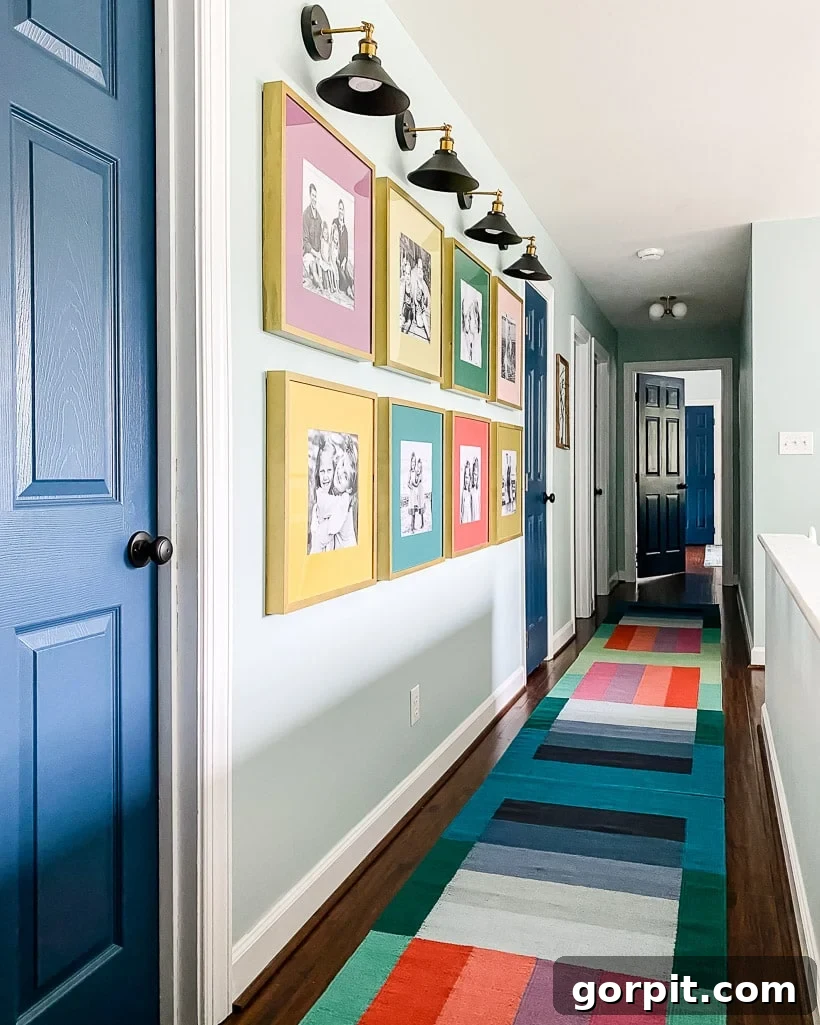
Semi-gloss paint is easily recognizable by its distinct, noticeable shine, sitting firmly in the mid-to-high range of the reflectivity spectrum. It is historically and most frequently used on trim, doors, and cabinetry, a practice we followed for the trim and doors in our previous home. The primary benefit of semi-gloss is its exceptional durability and effortless cleanability. Its hard, smooth surface allows for easy wiping and scrubbing, making it highly resistant to fingerprints, scuffs, and moisture.
However, this high reflectivity comes with a notable drawback: semi-gloss paint has a tendency to highlight every surface flaw. Imperfections like dents, nicks, or uneven application become much more apparent, demanding thorough surface preparation before painting. Despite this, semi-gloss is an excellent choice for areas that experience significant action and dirt, such as kids’ rooms, bathrooms, and laundry rooms, where frequent cleaning is a necessity. While I personally tend to avoid semi-gloss on large wall surfaces due to its flaw-exposing nature, it remains a beautiful and highly functional option for trim, doors, and cabinetry, providing a crisp, polished look that stands up to daily wear.
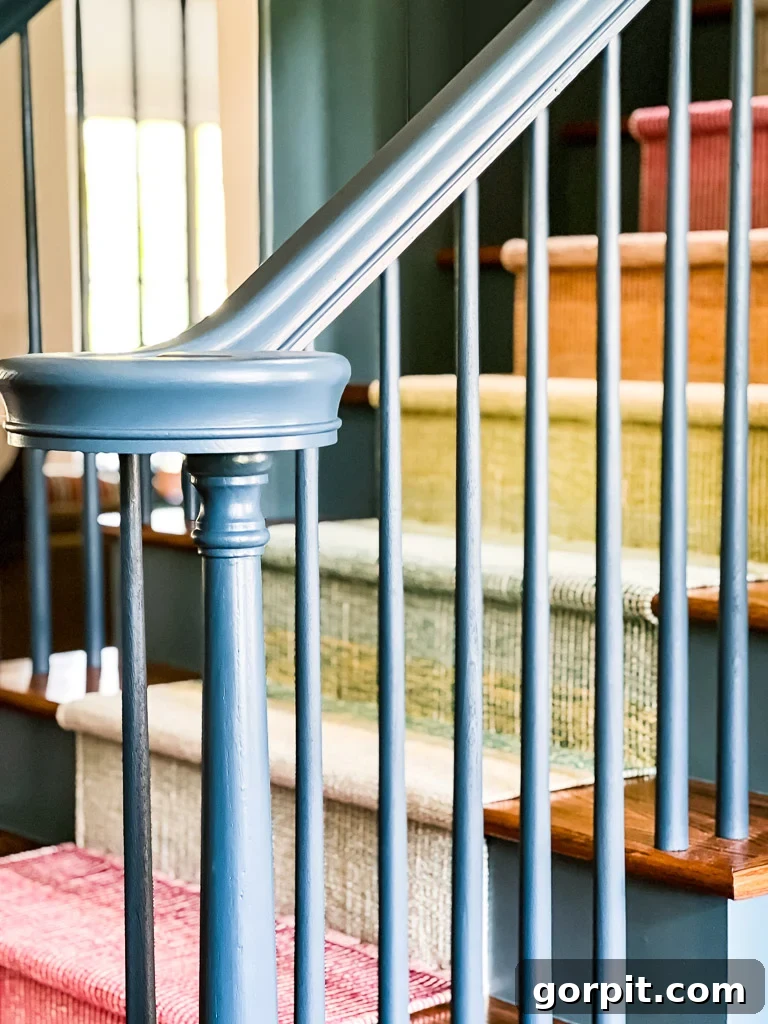
While most of the trim and doors in our current home are finished with satin, we did make a strategic exception for our new DIY stair handrail and balusters. These elements are touched constantly throughout the day, making durability paramount. Therefore, we opted for a semi-gloss finish to ensure maximum resilience and easy maintenance, allowing them to withstand heavy daily use while retaining their fresh appearance for years to come.
Gloss (>60% Shine): The Ultimate Shine
Gloss paint represents the pinnacle of reflectivity, offering the shiniest possible finish short of lacquer. Its mirror-like surface is incredibly hard, smooth, and non-porous, making it the easiest paint sheen to clean and the most durable of all finishes. This exceptional resilience makes gloss paint highly resistant to fingerprints, scuff marks, and heavy traffic, retaining its luster even after rigorous cleaning.
However, the intense reflectivity of gloss paint also means it magnifies every single imperfection on the surface. Dust, nicks, scratches, and even minor texture variations become highly visible, demanding immaculate surface preparation and flawless application. For this reason, gloss is best reserved for perfectly smooth surfaces. It can work beautifully on brand-new trim, doors, and cabinetry that are free from flaws, creating a striking, high-impact aesthetic. It’s also popular for furniture pieces, accent elements, or even exterior doors where a statement is desired.
If you reside in a historic home with original trim and baseboards that boast character-filled flaws – a situation many homeowners can relate to – you’ll likely find greater satisfaction with a satin or even semi-gloss finish. These lower sheens will be far more forgiving, drawing less attention to the charming imperfections that define older homes. Choosing gloss requires careful consideration of both the desired aesthetic and the condition of the substrate, ensuring its striking appearance is truly an asset.
Practical Tips for Selecting Paint Sheen
Beyond the individual characteristics of each sheen, here are some overarching tips to help you make the best choice for your home:
- Consider the Lighting: Natural and artificial light sources interact differently with paint sheens. High-gloss finishes will reflect more light, making a room feel brighter but also amplifying imperfections. Flat or matte finishes absorb light, creating a softer, more intimate ambiance. Test samples in various lighting conditions throughout the day.
- Analyze Room Function: High-traffic areas like kitchens, bathrooms, hallways, and kids’ rooms demand more durable, cleanable sheens (satin, semi-gloss). Low-traffic areas like formal living rooms or master bedrooms can benefit from less reflective, more delicate finishes (flat, matte, eggshell).
- Assess Surface Condition: The smoother the surface, the higher sheen it can handle. If your walls have minor imperfections, opt for flat, matte, or eggshell. For pristine surfaces, satin, semi-gloss, or gloss can create a stunning effect.
- Harmonize with Decor: A traditional or formal space might lean towards a more understated matte or eggshell for walls, paired with semi-gloss for trim. A modern or contemporary interior might embrace the sleekness of satin on walls or even gloss on specific features.
- Personal Preference is Key: While guidelines exist, your personal taste is paramount. If you love a subtle glow, eggshell or satin for walls might be your preference, even in less-than-perfect spaces. If you adore high shine, be prepared for extra surface prep for gloss.
- Get Samples: Always, always, always test paint sheens on your actual walls or on large sample boards. Observe them over several days, under different lighting conditions, to truly understand their impact in your specific environment.
Frequently Asked Questions About Paint Sheens
There isn’t a single “best” paint sheen; the ideal choice depends entirely on the specific application, desired aesthetic, and functional needs of the area. Generally, gloss is the most durable and easiest to clean. For interior walls, flat, eggshell, and satin paints are popular choices, balancing appearance with reasonable durability. Semi-gloss and gloss paints are typically reserved for trim, doors, and cabinetry where high durability and easy maintenance are critical.
The choice between eggshell and satin for walls hinges on the expected wear and tear. If your walls will experience frequent contact, dirt, or require regular wiping, satin is generally preferred due to its superior cleanability and increased durability. However, if wear and tear are less of a concern, many prefer the softer, less reflective look of eggshell, which still offers good protection against minor scuffs. If you desire a subtle sheen, satin might be the better choice, but for a more understated, velvety finish, eggshell often wins.
According to industry research and general homeowner preference, satin finish is widely considered the most popular interior paint finish. Its popularity stems from its excellent balance of durability, cleanability, and aesthetic appeal. Satin provides a noticeable but not overwhelming sheen that adds depth to colors, stands up well to everyday use, and is significantly easier to wipe clean than flat or matte options, making it a versatile choice for many areas of the home.
For ceilings, a flat or matte sheen is almost always recommended. These low-sheen finishes absorb light rather than reflecting it, which helps to hide minor imperfections on the ceiling surface and minimizes glare. This creates a uniform, clean look that allows the focus to remain on the walls and other decorative elements of the room.
Absolutely! Using different paint sheens in the same room is a common design technique that adds visual interest and defines architectural elements. For example, you might use eggshell on the walls for a soft look and contrast it with a semi-gloss on the trim and doors for added durability and a touch of polish. This contrast in sheen can highlight features and create a sophisticated, layered effect.
Choosing the right paint sheen doesn’t have to be a daunting task. By carefully considering the specific characteristics of your space, including its traffic levels, the condition of its surfaces, and the overall aesthetic you wish to achieve, you can confidently select the best option. Remember that while shinier finishes offer enhanced durability and ease of cleaning, particularly in high-traffic or moisture-prone areas, flatter or eggshell finishes can impart a more subtle, sophisticated, and inviting ambiance to your room.
Ultimately, the decision is a blend of practical needs and personal style. Take the time to explore your options, test samples in your home, and envision the final look and feel. With this knowledge, you’re well on your way to creating beautifully painted spaces that are both stunning and perfectly suited to your lifestyle. Begin your transformation today and build the home of your dreams!
More Painting Resources
SEE ALL PAINT POSTS
-
9 Life-Changing Painting Hacks Everyone Should Know
-
How Durable are DIY Painted Kitchen Cabinets?
-
How to Paint Kitchen Cabinets (From a DIYer Who Has Done it 3 Times)
-
How Have Our Painted Countertops Held Up?
-
How to Paint IKEA Furniture and Mistakes to Avoid
-
How Much Paint Do I Need for My Room?
Other posts you may enjoy:
- Sherwin-Williams Pure White Color Review with Pictures
- How to Choose Paint Colors for Your Home: 6 Simple Tips to Follow
- Benjamin Moore Swiss Coffee- Is it Right For You?
- Beautiful Blue Paint Colors Designers Love & Use
Wondering how I approach transforming rooms and spaces in our home? Check out Designer in a Binder®.
And if you want exclusive content and behind-the-scenes sneak peeks, be sure to subscribe before you head out!