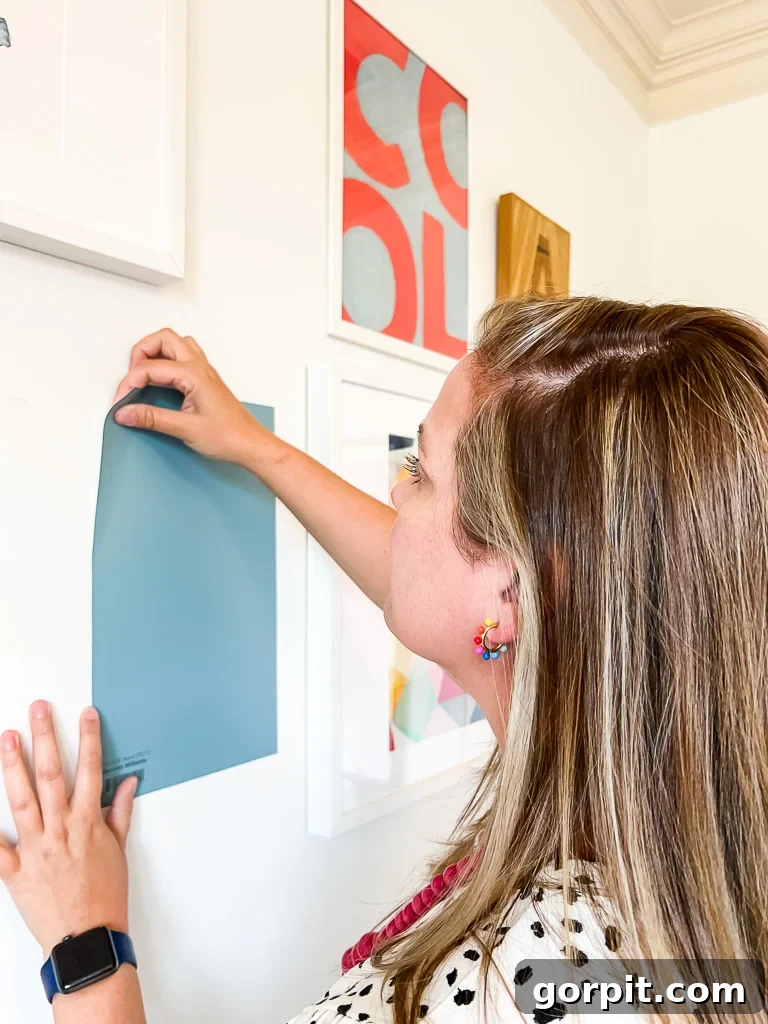
Transforming a room with a fresh coat of paint is one of the most impactful and budget-friendly ways to revitalize your home’s aesthetic. However, the journey to finding that perfect paint color can often feel like navigating a labyrinth of endless choices and subtle nuances. With an overwhelming spectrum of shades, undertones, and finishes, homeowners frequently grapple with uncertainty, fearing a costly mistake. This is precisely where Samplize peel and stick paint samples emerge as an invaluable, game-changing solution. In this comprehensive guide, we’ll delve into what sets Samplize apart from conventional paint samples, exploring the myriad advantages they offer in streamlining your paint color selection process and ensuring you make confident, informed decisions for your living spaces.
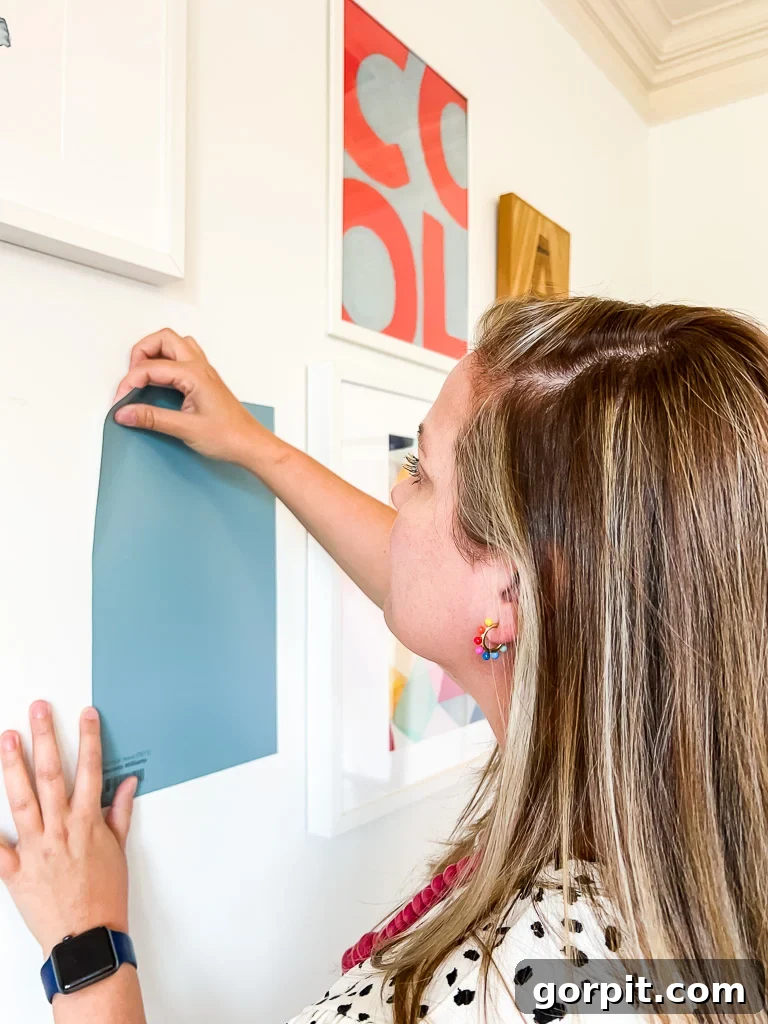
Table of Contents
Toggle
The Importance of Testing Paint Colors
Choosing the right paint colors for your home is far more intricate than simply picking a shade you admire in a store. It’s a critical design decision that impacts the mood, perceived size, and overall harmony of your space. Rushing this process is a common pitfall that can lead to disappointment and expensive re-dos. As someone who has spent years perfecting the art of color selection, I can attest that the single most important step in this journey is to meticulously test paint colors directly within your home environment.
Understanding why this step is non-negotiable requires acknowledging the dynamic nature of color. A paint shade can dramatically shift in appearance based on numerous factors: the direction of natural light (north, south, east, or west-facing rooms), the time of day, the presence of artificial lighting (warm vs. cool bulbs), and even the existing furniture, flooring, and decor. What looks like a perfect soft gray under fluorescent store lights might appear blue or purple on your wall, transforming your serene vision into an unexpected hue.
This post contains affiliate links for your convenience. Click here for my full disclosure policy.
The Pitfalls of Paint Chips
Many homeowners start their color selection journey by collecting handfuls of small paint chips from the hardware store. While convenient, these minuscule swatches are fundamentally flawed for accurate color assessment. Firstly, they are typically just pieces of paper dyed to *approximate* the paint color, not actual paint samples. This means the color rendition can be subtly, yet significantly, off from the real paint on your wall. The way light interacts with a dyed paper surface is different from how it interacts with actual paint, often leading to discrepancies in hue and vibrancy.
Secondly, their diminutive size makes it incredibly difficult to truly envision a color in a large space. A tiny chip cannot convey the full impact of a color spread across an entire wall. What might look like a muted neutral on a chip can appear intensely saturated or surprisingly stark once applied to a broad surface. The lack of visual context and the inherent inaccuracies make paint chips an unreliable starting point for such an important decision.
The Hassle of Traditional Sample Pots
Recognizing the limitations of paint chips, many turn to buying small sample pots. While these do contain actual paint, they introduce a different set of challenges that can quickly become expensive, messy, and cumbersome. To properly test a paint color, you need to paint swatches on several walls within the same room, as light varies dramatically from one wall to another. This often means buying multiple sample pots for different shades you’re considering, and then painting multiple swatches of each.
The costs accumulate rapidly. A handful of sample pots, brushes, painter’s tape, and drop cloths can quickly add up, especially if you’re exploring numerous options. Beyond the expense, there’s the inevitable mess: drips, spills, and the arduous task of cleaning brushes and rollers. Furthermore, traditional sampling is a significant time commitment. You need to apply at least two coats of each sample, wait for drying time, and then observe how the colors change throughout the day and under different lighting conditions. Once the project is done, you’re left with partially used cans of paint that are difficult to store and often end up being disposed of improperly, contributing to environmental waste.
Introducing Samplize: The Innovative Solution
Samplize was founded by interior designer Amber Thomas, who, like many design professionals and homeowners, grew frustrated with the financial, time, and material waste inherent in traditional paint sampling methods. Recognizing a significant gap in the market for a more efficient and accurate solution, she partnered with Taylor Thomas, and thus, Samplize was born. Their vision was to revolutionize the paint selection process by offering a convenient, mess-free, and highly accurate way to test colors at home. I discovered Samplize several years ago, and I can confidently say it has been an absolute game-changer in how I approach paint color selection for myself and for clients.
What Are Samplize Peel and Stick Paint Samples?
Samplize peel and stick paint samples are high-quality, 9×14-inch adhesive squares designed for direct application to your walls. Each sample is meticulously crafted to be a true representation of the actual paint color. The most significant advantage of Samplize samples is their unparalleled mess-free application. Unlike traditional paint samples that involve brushes, trays, and cleanup, with Samplize, you simply peel off the protective backing and smoothly stick the sample onto your wall. This eliminates any mess, fuss, or post-application cleanup, making the testing process incredibly efficient and enjoyable.
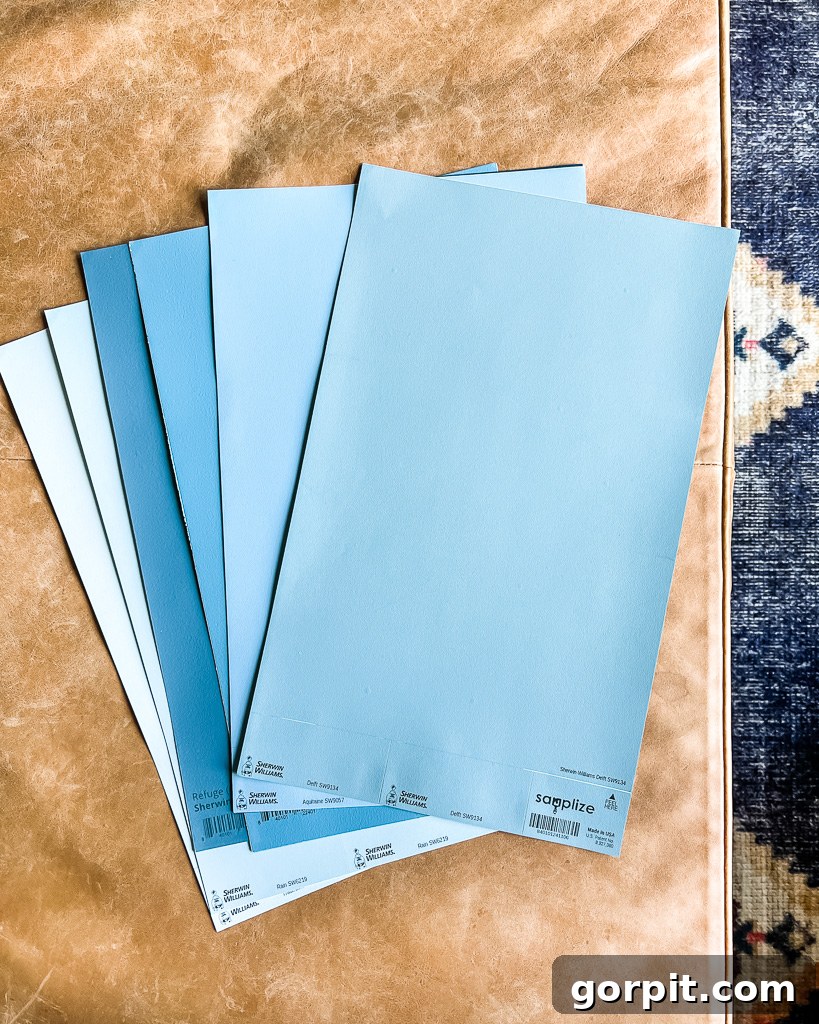
While some individual paint stores have started offering their own brand of peel and stick samples, typically costing around $5 each, Samplize offers a distinct advantage. These store-specific samples might be handy for testing colors from a single manufacturer, but if your design vision involves comparing shades from different brands, you’d be forced to visit multiple stores or order from various websites, complicating the process. Samplize streamlines this by consolidating options from major paint manufacturers all in one place. You can conveniently order samples from industry leaders like Sherwin-Williams, Benjamin Moore, PPG (available at Home Depot), and Farrow & Ball, ensuring you have access to a vast array of colors without the logistical headache.
How Samplize Samples Outperform Other Options
The primary, and most crucial, differentiator that sets Samplize samples far above standard paint chips or even other peel-and-stick options is their commitment to 100% color accuracy. Unlike the dyed paper of traditional paint chips, which can only offer a “close match,” Samplize samples are created by applying two coats of the *actual paint* from the specific brand onto a high-quality backing paper. This meticulous process ensures that what you see on the Samplize sample is precisely what you will get when that paint color is applied to your walls. For instance, if you order a sample of Sherwin-Williams Pure White, you receive a sample made with authentic Sherwin-Williams Pure White paint, providing an uncompromised representation of the color.
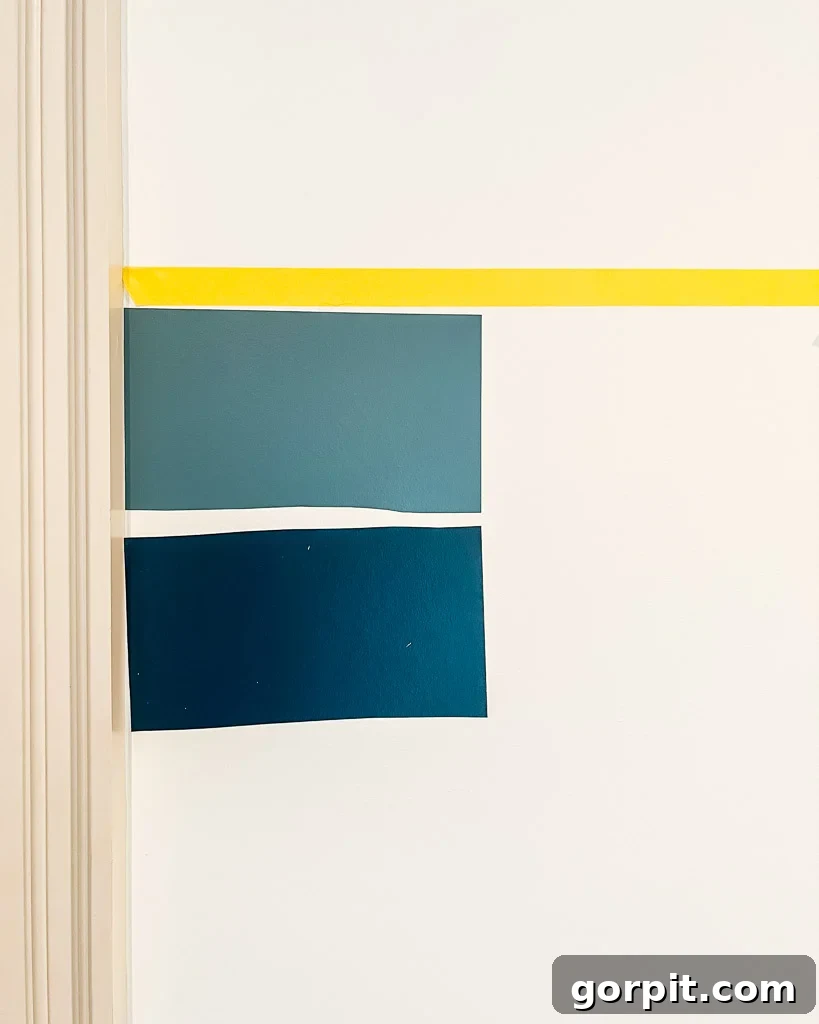
Furthermore, Samplize peel and stick samples, now generously sized at 9 x 14 inches (an upgrade from their previous 12 x 12 inches), offer ample surface area to truly assess a color’s impact in a room. This larger size allows you to visualize the paint color more effectively than small swatches, giving you a better sense of how it will read on a broader scale. One of their most practical features is their re-positionability. These samples can be stuck to your walls, removed, and repositioned multiple times without causing any damage to your existing paint or surfaces. This flexibility is vital for accurate testing, as you can move samples to different walls, into different rooms, or even onto trim and cabinetry, observing how the color responds to varying light conditions throughout the day. I particularly appreciate that I can easily cut them into smaller pieces, allowing me to test a single sample in multiple, smaller areas simultaneously, such as along a stair railing or in different corners of a room.
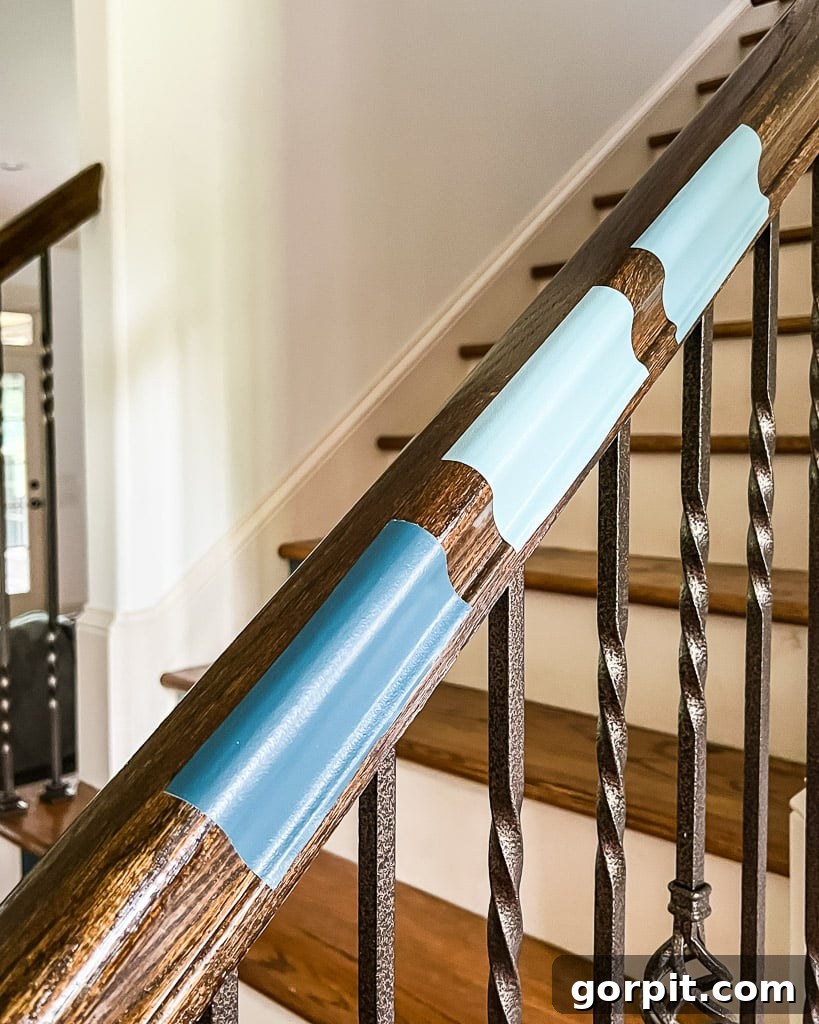
Pros & Cons of Samplize Peel & Stick Paint Samples
As an ardent user and genuine advocate, I must emphasize that this is not a sponsored review. I purchase my Samplize samples with my own money, and my recommendation stems purely from my overwhelmingly positive experiences. Samplize has become my preferred, and frankly, only method for sampling paint colors. Here’s a detailed look at why:
Key Benefits of Using Samplize
- Unrivaled Convenience and Time-Saving: The ability to order samples online from all major paint manufacturers in a single transaction saves immense amounts of time and hassle. My samples typically arrive within a day or two, bypassing multiple trips to different paint stores and the tedious process of color matching. This efficiency is invaluable for busy homeowners and designers alike.
- Competitive Pricing: Samplize samples are priced comparably to, or even more affordably than, individual peel and stick samples offered directly by paint stores. Considering the added convenience of multi-brand ordering and delivery, the value is exceptional.
- Generous and Realistic Sizing: The 9×14-inch size is substantial enough to give a genuinely accurate sense of how a color will appear on a large wall, helping to prevent the “color shock” that often occurs when a small chip is scaled up.
- Effortless Application and Repositioning: The peel-and-stick nature means application is quick, clean, and requires no special tools. More importantly, the samples can be effortlessly peeled off and repositioned multiple times without any damage to your walls or existing paint, allowing for thorough testing under various lighting conditions.
- Superior Color Accuracy: This is Samplize’s cornerstone advantage. Because the samples are made with two coats of actual paint from the specified brand, you get a 100% true-to-life representation of the color. This eliminates the guesswork and inaccuracy associated with dyed paper chips.
- Completely Mess-Free and Zero Cleanup: Say goodbye to paint drips, stained brushes, and the need for drop cloths. Samplize samples offer a pristine testing experience, allowing you to focus purely on color evaluation without the burden of cleanup.
- Eco-Friendly Approach: Samplize significantly reduces environmental waste. Traditional sample pots often contain excess paint that is difficult to store, rarely gets used, and is frequently disposed of improperly, leading to environmental concerns. Samplize samples minimize this waste.
- Unmatched Versatility: The ability to easily cut a single sample into smaller pieces is a brilliant feature. This allows you to test the same color in numerous distinct spots within a room, or even on different surfaces like trim, ceilings, or architectural details. As I’ve repeatedly stressed, testing a color on multiple walls is paramount, and Samplize makes this incredibly easy and efficient.

Minor Drawbacks to Consider
While my experience with Samplize has been overwhelmingly positive, it’s worth noting a couple of minor points, though I find them easily outweighed by the benefits:
- Limited Sheen Options: Samplize samples are typically available in only one paint sheen (usually an eggshell or satin finish, common for wall paints). However, this is also true for most traditional small sample pots purchased at paint stores unless you opt to buy an entire quart, which defeats the purpose of sampling. For testing color accuracy, the sheen is often less critical than the hue itself.
- Need for Multiple Samples for Very Large Areas: If you desire to cover very large expanses with a sample on multiple walls simultaneously, you might need to order multiple samples of the same color. However, as mentioned, the samples are easily repositionable, allowing you to move a single sample around different spots throughout the day, effectively mitigating this potential issue without needing to purchase several identical samples.
In conclusion, when it comes to confidently choosing paint colors for your home, I wholeheartedly and unequivocally recommend Samplize. It’s an innovative, efficient, and highly accurate tool that simplifies a notoriously challenging aspect of home design.
More Paint Color Inspiration
SEE ALL PAINT POSTS
-
The Best Neutral Paint Colors for Kitchen Cabinets
-
Benjamin Moore Swiss Coffee – Is it Right For You?
-
Samplize Peel & Stick Paint Samples: An Unbiased Review
-
Sherwin Williams Pure White SW7005 Paint Review With Pictures
-
Navy Blue Paint Colors Designers Love
-
Beautiful Blue Paint Colors Designers Love & Use
Other posts you may enjoy for further home design insights:
- 8 Interior Design Mistakes You Don’t Even Know You are Making (and How to Fix Them)
- A Paint Sheen Guide & Reference Chart
For a complete guide on how I approach transforming rooms and spaces in our home, consider exploring Designer in a Binder®.
If you’re eager for exclusive content and behind-the-scenes sneak peeks into my design process, be sure to subscribe to my newsletter before you go!