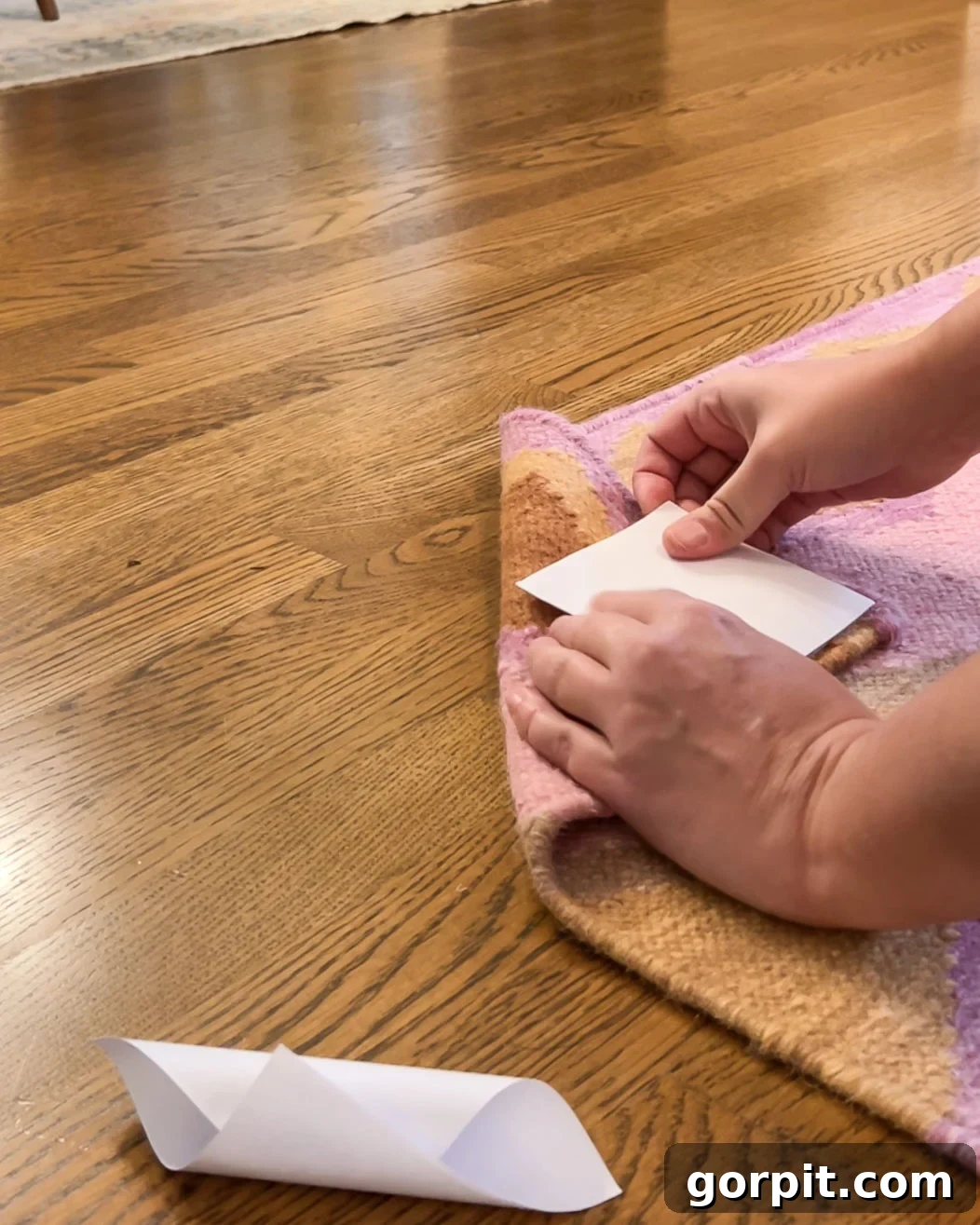
It’s a familiar scenario for many homeowners: you unroll a beautiful new area rug, eager to enhance your space, only to find the corners stubbornly refuse to lie flat. You try weighing them down with books or furniture, but those persistent edges just keep curling, creating not just an eyesore but also a frustrating tripping hazard. If you’ve been wondering how to keep rug corners down and achieve that perfectly smooth, flat look, you’ve come to the right place. This comprehensive guide is packed with expert tips and proven tricks to ensure your rug corners stay put, transforming your living space into a safer and more aesthetically pleasing environment. Say goodbye to unsightly bumps and dangerous curling edges, and discover practical solutions for every rug type and floor surface.
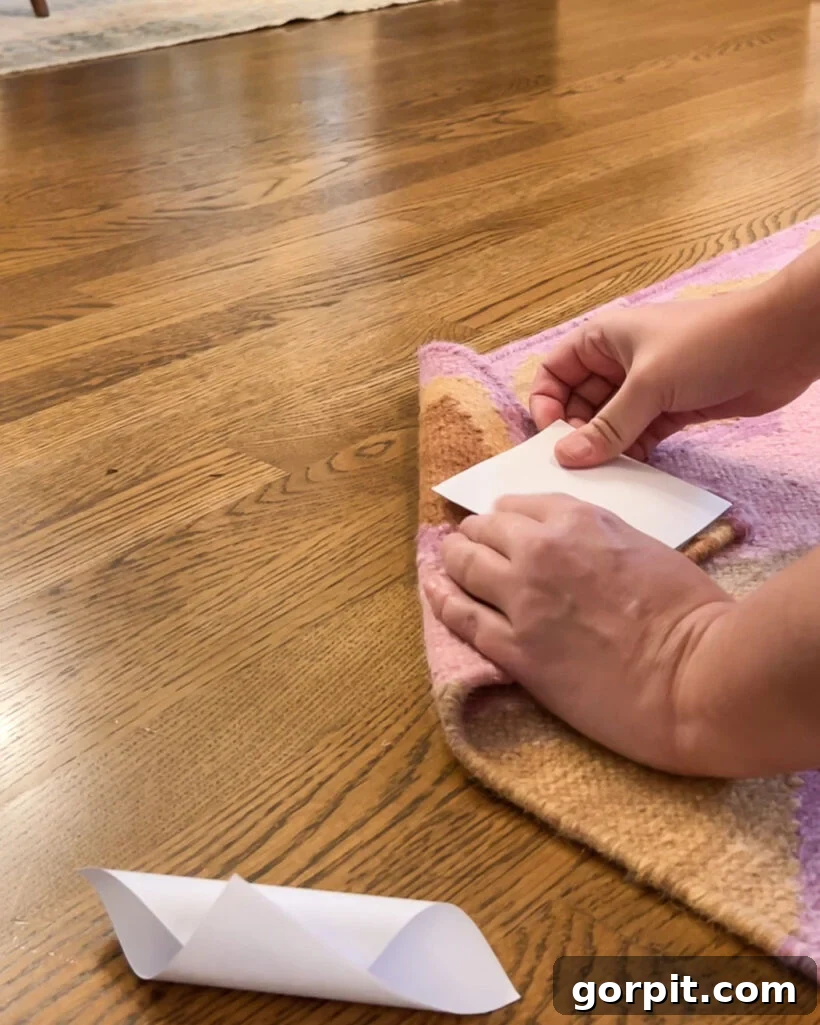
Table of Contents
How to Keep Your Rug Corners Flat and Prevent Curling
Curling rug corners are more than just a minor annoyance; they can significantly detract from the aesthetic appeal of your home and, more importantly, pose a safety risk. A flat, well-maintained rug not only looks better but also ensures a smooth, safe walking surface. This guide will walk you through various effective methods, from initial prevention strategies to advanced fixes for even the most stubborn rug corners.
Choosing the Right Rug Size for Flat Corners
The foundation of a flat rug starts even before it’s unrolled. One of the most common reasons for curling corners and shifting rugs is selecting the wrong size for your space. An improperly sized rug is prone to movement, bunching, and developing curled edges, which can lead to frequent adjustments and an increased risk of tripping.
If your rug is too small, it might not extend sufficiently under furniture, allowing it to slide and causing corners to lift easily. This is especially true in high-traffic areas where constant footfall and furniture movement can dislodge lightweight rugs. Conversely, an oversized rug can also present issues, as it might buckle or overlap into areas where it’s not intended, making it difficult to achieve a perfectly flat surface.
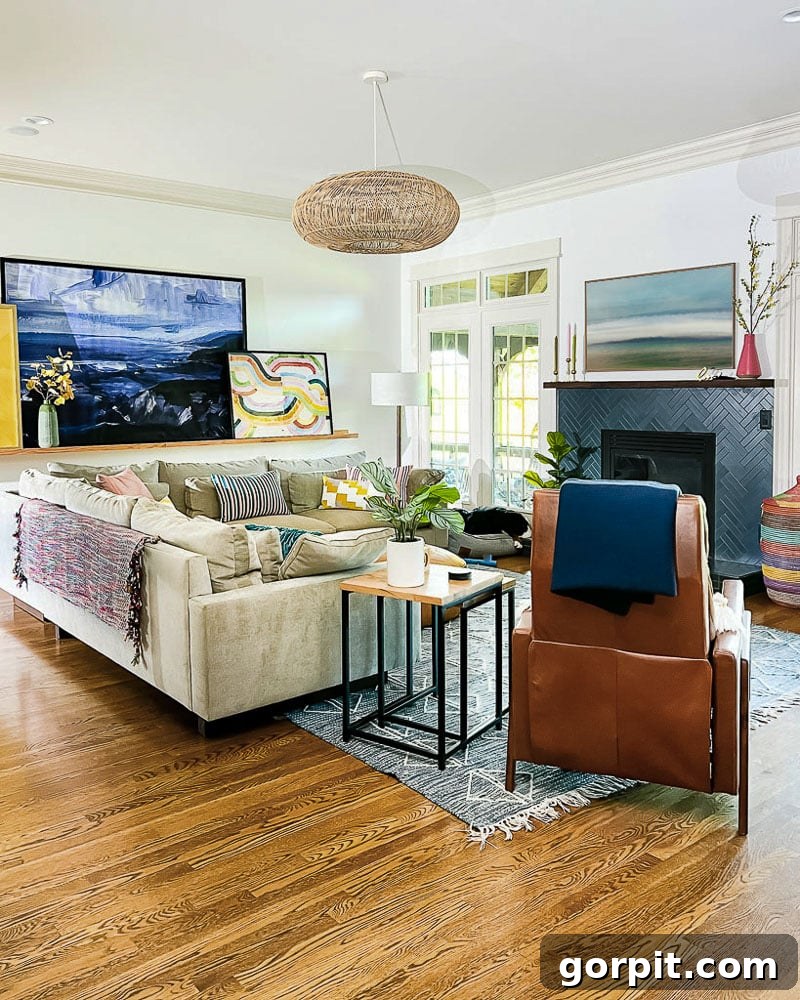
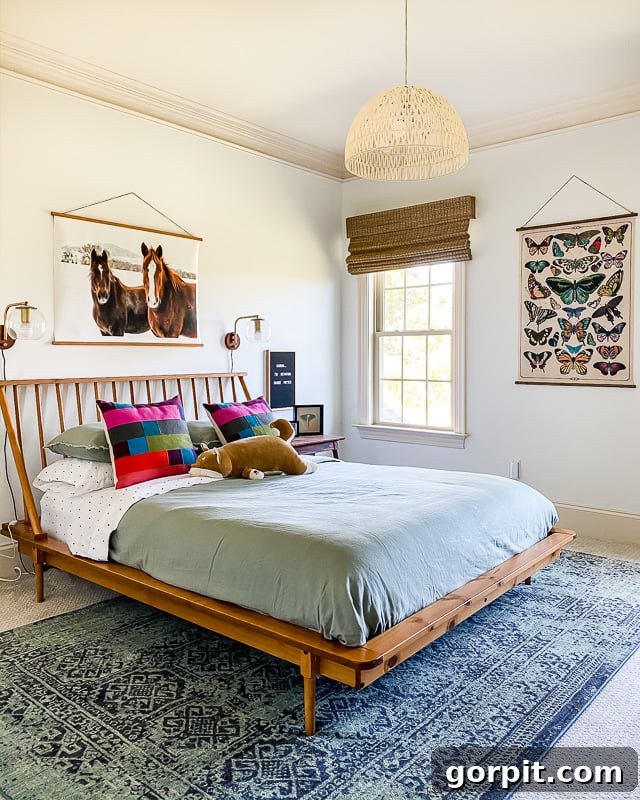
The key to preventing these problems is ensuring your rug is proportional to your room and its furniture. Start by accurately measuring your room. Then, consider the layout of your furniture. In living rooms, aim for a rug large enough to have at least the front two legs of your main furniture pieces (sofa, armchairs) resting on it. This anchors the rug, leveraging the weight of the furniture to keep it flat and prevent shifting. For dining rooms, the rug should be large enough that all chair legs remain on the rug even when pulled out. In bedrooms, a common guideline is for the rug to extend at least 18-24 inches beyond the sides of the bed.
By choosing the correct rug size, you’re not just improving aesthetics; you’re actively preventing the conditions that lead to curling corners. A correctly sized rug will lie more securely and present fewer problematic edges.
Finding the perfect rug size can sometimes feel overwhelming, but these resources can help:
- How To Choose The Right Rug Size For Your Living Room or Family Room
- Bedroom Rug Size & Placement: Everything You Need to Know
Initial Steps to Flatten a New Rug
After bringing home a new rug, especially one that has been tightly rolled for shipping or storage, it’s common for it to resist lying flat. The fibers develop a “memory” of their rolled state. Fortunately, there are several effective initial methods to encourage your rug to relax and flatten out before resorting to more permanent solutions.
Reverse Rolling Your Rug
This is often the first and simplest solution for a new rug with curled edges. If your rug curls upwards when unrolled, carefully roll it up in the opposite direction, with the pile facing outwards. This process gently bends the carpet fibers and the backing in the reverse way, helping to break the memory of its previous rolled state and encouraging it to lay flat. Secure it with ties or straps, and leave it rolled in the reverse direction for at least a few hours, or even a couple of days for more stubborn rugs. Remember, it might have been rolled for weeks during transit and storage, so patience is key for the fibers to relax.
The Power of Sunshine and Warmth
Nature can be a surprising ally in flattening a stubborn rug. On a warm, sunny day, take your rug outside and lay it flat in direct sunlight. The warmth from the sun acts much like a gentle iron, helping to relax the fibers and backing material. This can effectively ease out kinks, creases, and curled corners, allowing the rug to settle naturally. For best results, leave it for a few hours, periodically checking its progress. However, exercise caution: intense heat can damage certain rug materials. Synthetic fibers and rubber backings, in particular, are susceptible to melting, degrading, or discoloration under extreme heat. Always monitor your rug closely and bring it indoors if the temperature becomes too high.
Applying Heavy Objects Strategically
A classic and effective method for flattening rug corners involves using heavy objects. Once you’ve unrolled your rug, place heavy items like books, furniture, or even sturdy boxes filled with heavy items directly on the curling corners and any visible creases. The continuous, gentle pressure helps to compress the fibers and flatten the rug against the floor. For optimal results, ensure the weight is distributed evenly and covers the entire curled area. Leave the heavy objects in place for a minimum of 24 to 48 hours. For very thick or stiff rugs, it might take a few days. Placing a clean cloth or a piece of cardboard between the heavy objects and the rug can prevent any potential indentation or damage to the rug’s pile.
Gentle Moisture and Steaming for Relaxation
For some natural fiber rugs (like wool or cotton), a little moisture can help the fibers relax. You can lightly mist the curled areas with water (ensure it’s not drenched) and then place heavy objects on top. The moisture combined with pressure can help the rug reform. Alternatively, a fabric steamer or a steam iron (used with extreme caution and on the lowest setting, with a damp cloth between the iron and the rug) can also work wonders. The steam helps to soften the fibers and release their memory. Always test this method on an inconspicuous area first to ensure it doesn’t damage or stain your rug. Avoid this method entirely for rugs with adhesive backings, delicate materials, or those known to bleed dyes when wet.
This post contains affiliate links for your convenience. Click here for my full disclosure policy.
Tackling Stubborn Rug Corners: Advanced Solutions
Sometimes, despite your best efforts with initial flattening techniques, certain rug corners remain stubbornly curled. This is where more targeted and sometimes more permanent solutions come into play. These methods are designed to tackle persistent issues, ensuring your rug stays flat and safe in any area of your home.
Manually Rolling or Folding Corners
For those corners that just won’t conform, a manual intervention can be effective. Try rolling or folding the problematic corner tightly underneath itself, effectively forcing it to bend in the opposite direction of its curl. Hold it in this position or secure it with heavy objects for at least 24 hours. This technique aims to aggressively “retrain” the rug fibers and backing. The goal is to overcorrect the curl, so when you release it, the corner settles flat. Be cautious not to create a new, reverse crease by folding too sharply or for too long. Gently check the rug’s response after a day and repeat if necessary.
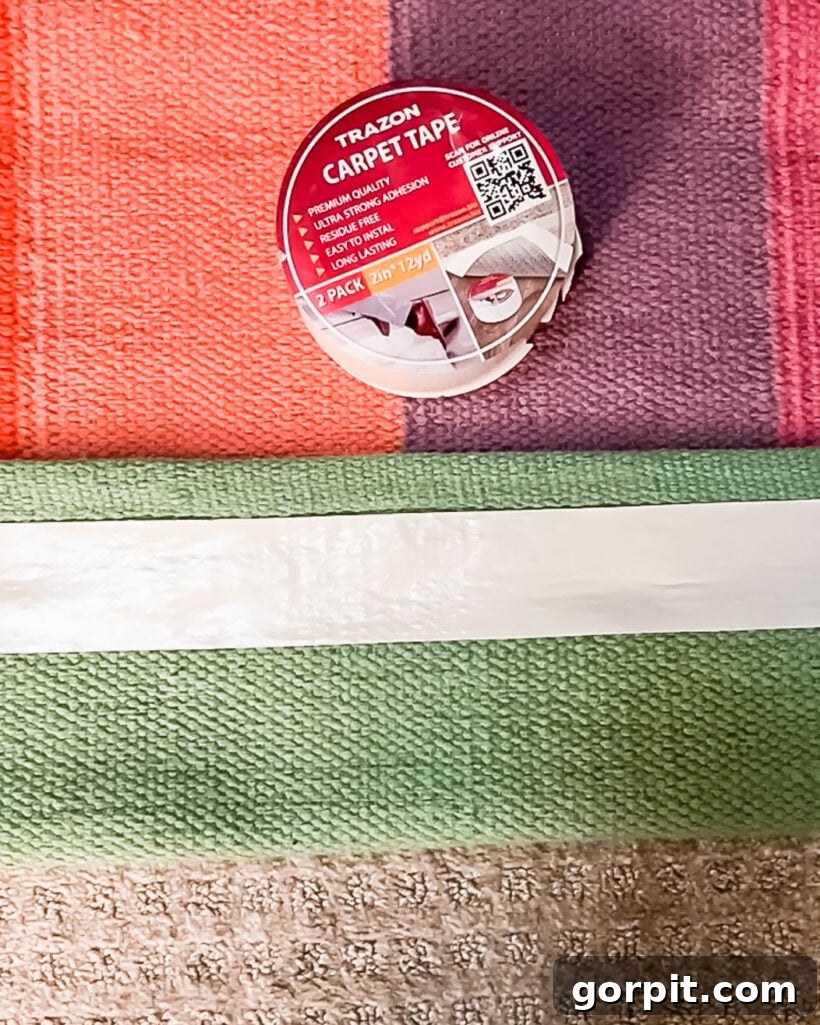
The Reliability of Double-Sided Rug Tape
Double-sided rug tape is a quick, affordable, and highly effective solution for keeping rug corners and edges firmly in place. This specially designed tape adheres to both the underside of your rug and the floor, creating a strong bond that prevents curling and slipping. It’s versatile and works well on both hardwood floors and carpeting. When applying, ensure the rug and floor are clean and dry for maximum adhesion. Place strips along the very edge of the curling corner. While generally safe, always perform a spot test in an inconspicuous area if you’re concerned about potential residue or damage to your specific flooring type, especially on delicate finishes. High-quality rug tape is usually designed to be removable without leaving marks, but it’s always better to be safe.
The Magic of Rug Pads and Corner Grippers
Investing in a good quality rug pad is a game-changer not only for comfort and floor protection but also for keeping your rug flat. A substantial rug pad, like the Mohawk Home pad, adds cushioning, provides insulation, and most importantly, offers an anti-slip layer that prevents the entire rug from shifting and developing curled corners. Rug pads are available in various materials (felt, rubber, or a combination) and thicknesses, each suited for different rug types and floor surfaces. Choose one that offers good grip and is appropriate for whether your area rug is on hardwood, tile, or even top of carpet.
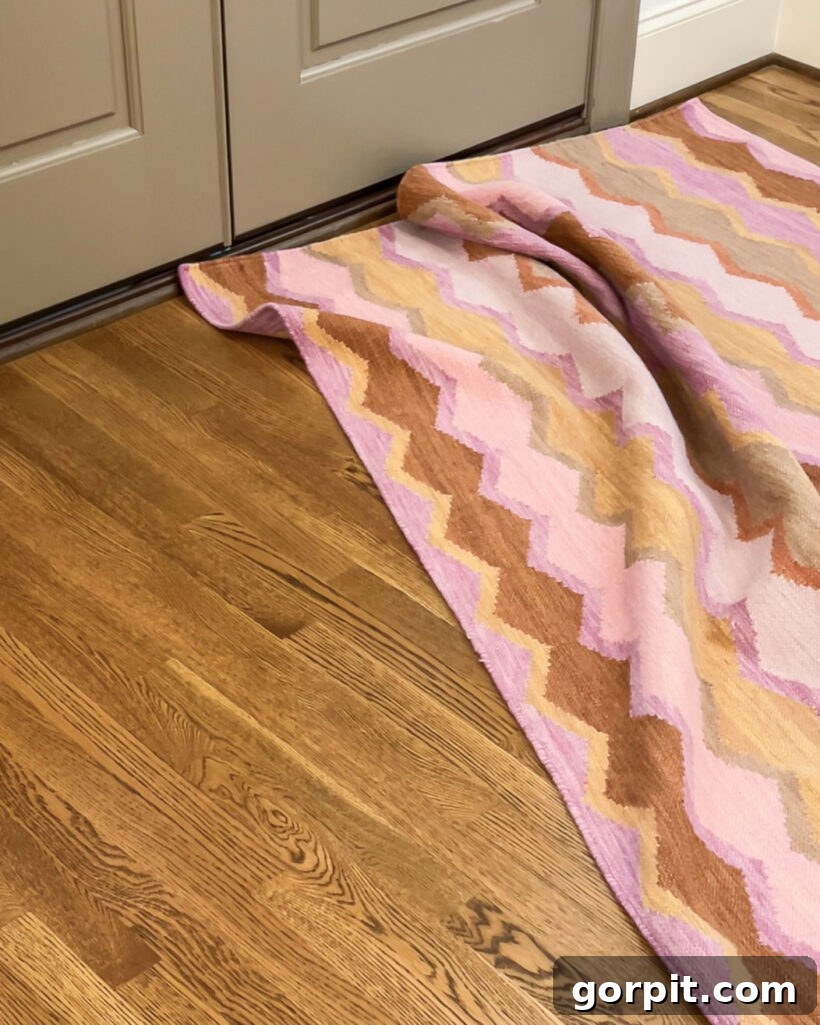
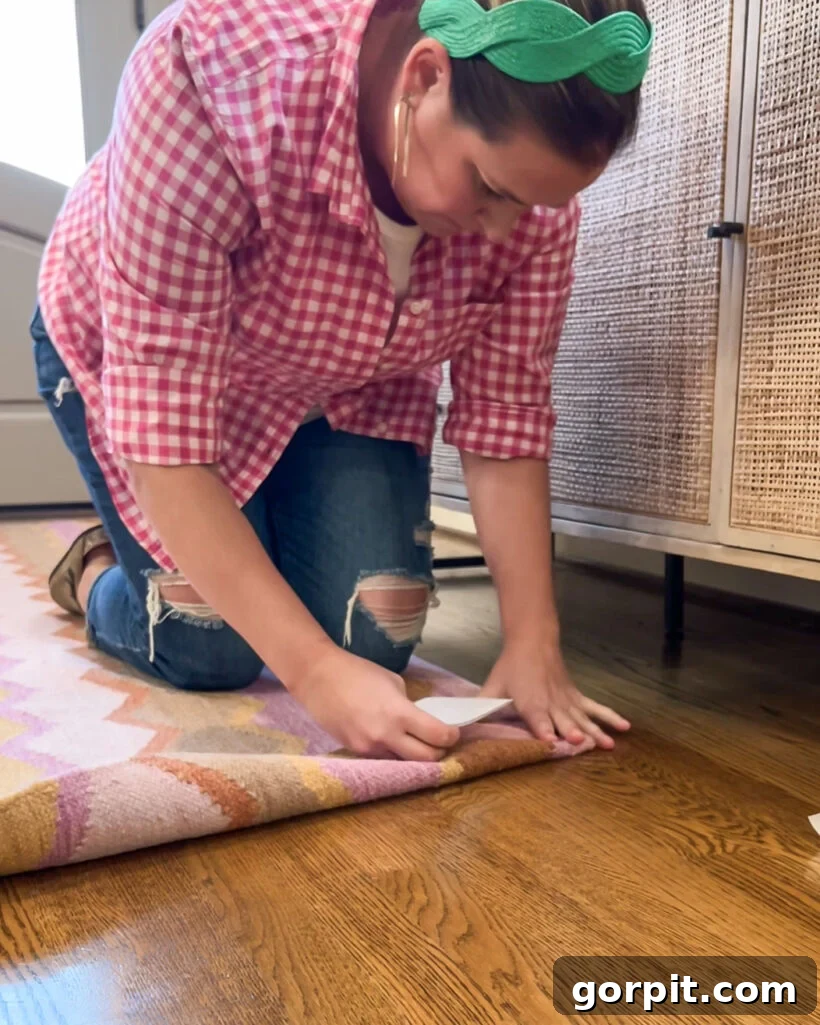
If a rug pad isn’t quite enough for especially stubborn corners, or if you prefer a more targeted approach, dedicated corner grippers or rug anchors are excellent additions. These innovative products are specifically designed to adhere to the underside of the rug’s corners and then to the floor, firmly holding them down. My personal favorites are Hook and Loop Rug Anchors, which are reusable, washable, and incredibly easy to apply. They work harmoniously with a rug pad or independently, offering superior control over problematic edges. Other popular options include grippers that use tiny suction cups to create a vacuum seal with hard surfaces like tile or hardwood, effectively flattening the corners without adhesive residue.
Ironing Rug Corners with Caution
Similar to using sunlight, controlled heat can relax rug fibers. For stubborn corners, especially on synthetic or natural fiber rugs (excluding delicate or adhesive-backed ones), you can carefully iron the curled area. Place a damp cloth or towel over the curled corner. Set your iron to a low-to-medium heat setting (appropriate for the rug’s material, if known) and gently press over the damp cloth, moving the iron constantly to avoid scorching. The steam created will help relax the fibers. After ironing, immediately place a heavy object on the corner to hold it flat as it cools and sets. Always test on an inconspicuous area first, and never apply direct heat to the rug’s surface.
When All Else Fails: The Screw Method
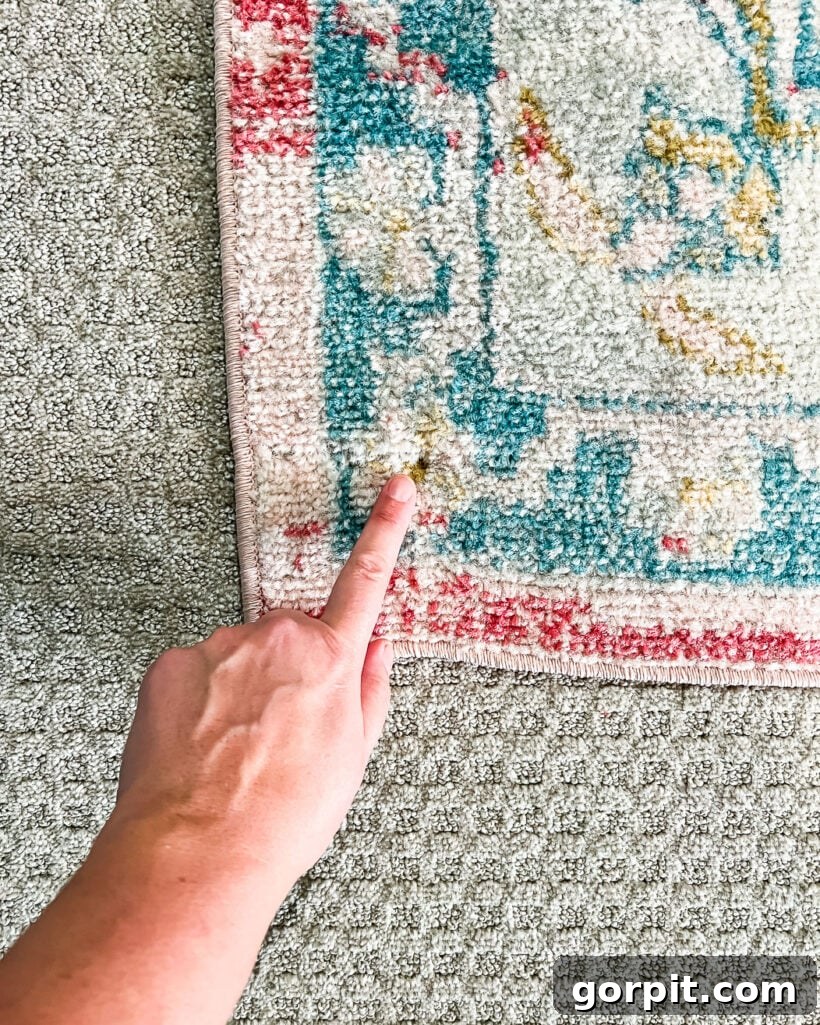
This is indeed a last-resort solution, typically reserved for high-traffic areas where other methods have proven insufficient, and for rugs placed over carpeting and a subfloor. If you have an area rug atop wall-to-wall carpet and its corners constantly flip up, driving a small screw through the rug, carpet, and into the subfloor can provide a surprisingly effective and nearly invisible hold. The screw head will sink into the rug pile, making it inconspicuous. This method is incredibly durable and eliminates tripping hazards in busy hallways or entryways. However, it’s crucial to understand its limitations: **never use screws directly into hardwood floors, tile, or other finished hard surfaces, as this will cause permanent and unsightly damage.** It is solely recommended for carpeted areas with an underlying subfloor that can tolerate a small screw.
Keeping your rug corners down is not just about aesthetics; it’s fundamentally about safety and the longevity of your investment. Whether you’re dealing with a brand-new rug still adjusting to its new home or an older rug that’s developed a persistent curl, these simple yet effective ideas will help you achieve a perfectly flat and inviting floor. By understanding the causes of curling and applying the right solution for your specific situation, you can eliminate tripping hazards and enjoy your beautiful rug without any worries. What’s your favorite strategy for keeping those pesky rug corners flat?
More RUG Resources and Inspiration
SEE ALL rug POSTS
-
Designer Tips for Choosing Perfect Kitchen Rug Runners
-
How to Choose the Best Rug Size for Your Living Room
-
How to Install a Stair Runner: A Step-by-Step Tutorial
-
How to Keep Rug Corners Down – Tips and Tricks for Every Homeowner
-
The Best Places to Shop for Affordable Rugs
-
The Rug Pad Guide: What You Need to Know Before You Buy
Curious about transforming rooms and spaces in your home with confidence? Discover the easy-to-follow methods in Designer in a Binder®.
For exclusive content, behind-the-scenes sneak peeks, and more home design inspiration, be sure to subscribe before you leave!