Comprehensive Guide: The Ultimate Pros and Cons of All Flooring Types for Your Home
Choosing the right flooring is one of the most significant decisions you’ll make during a home renovation or new build. It profoundly impacts not only the aesthetic appeal and comfort of your living space but also your budget and daily maintenance routine. With a seemingly endless array of options, from classic hardwood to innovative laminates and beyond, navigating the world of flooring can feel overwhelming.
Bad flooring can truly detract from a home’s appearance, making the decision feel high-stakes. Many homeowners feel stuck, imagining an epic undertaking involving tearing out old floors, installing subflooring, padding, and then the chosen material. While it can be a substantial project, fear not! There’s a myriad of different flooring options available, many of which are budget-friendly and offer incredible transformations.
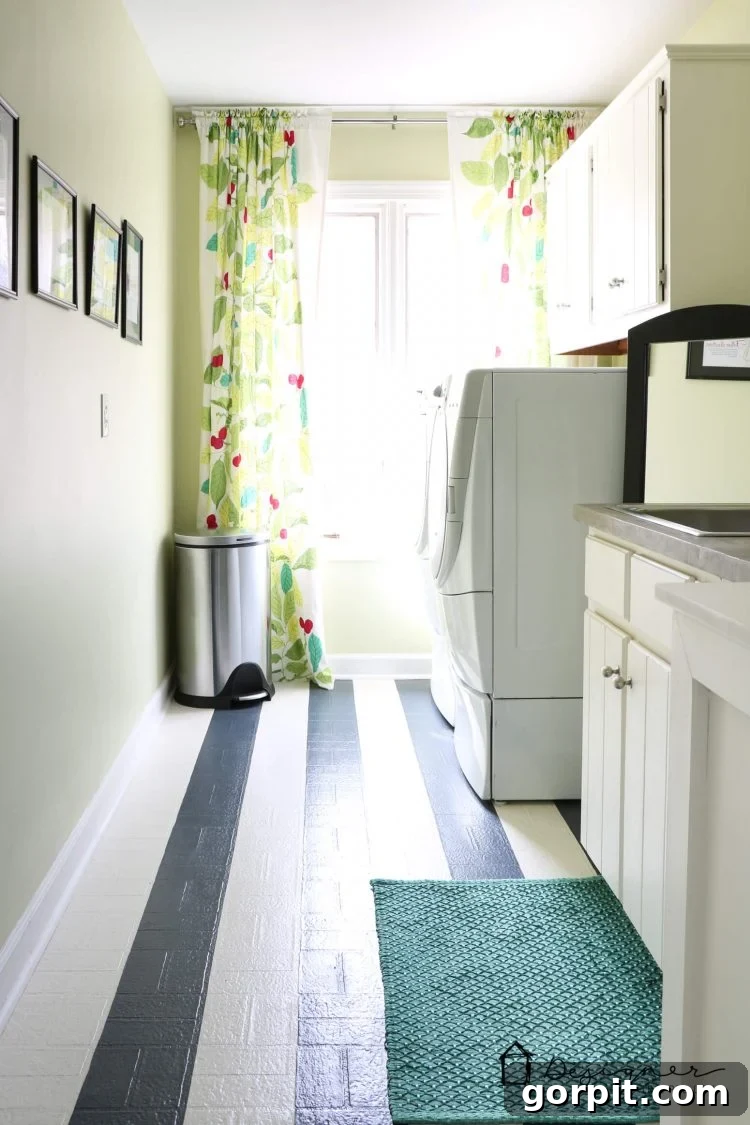
You don’t always need to rip everything out to achieve a fresh look. Sometimes, a few gallons of paint and a creative vision are all it takes. For instance, we successfully painted our laundry room vinyl floors, and the results have exceeded all expectations, holding up perfectly for years. Seriously—not a single scratch in sight, except for a minor touch-up needed after dragging a heavy water heater, which was quick and easy to fix!
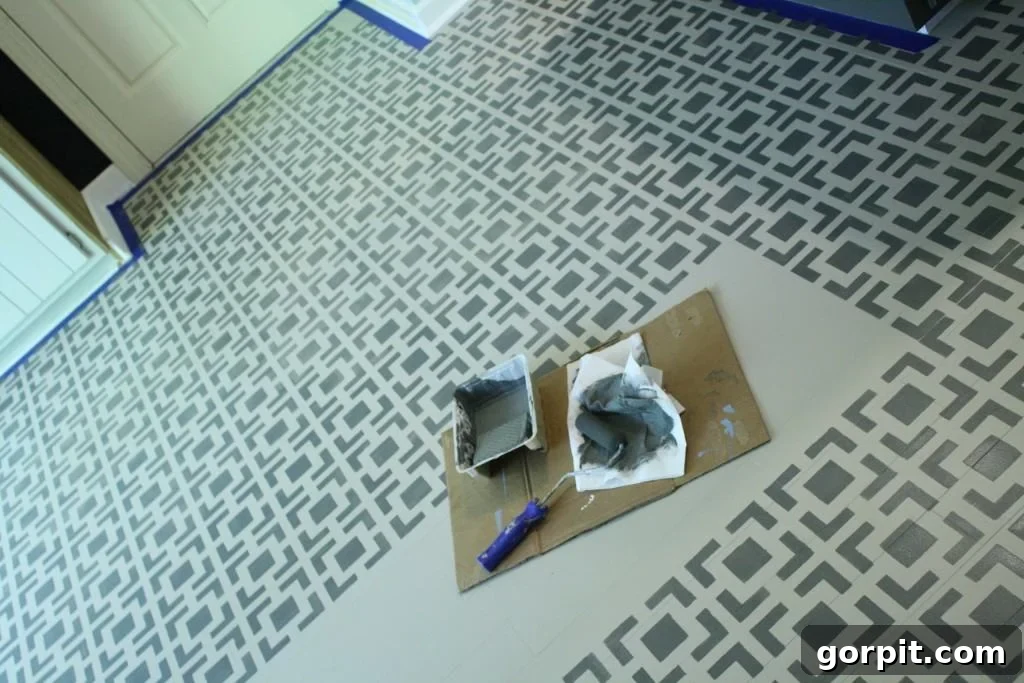
Similarly, when our kitchen featured less-than-lovely bamboo flooring, we decided to get creative. We painted and stenciled the floors, and I absolutely adore the outcome! It looks amazing and has proven incredibly durable, withstanding the daily chaos of twins, a 90-pound dog, and the constant high traffic of a busy kitchen.
For other areas of our home, including the bedroom, playroom, and living room, we faced the daunting task of replacing massive stretches of scary, beige carpet. Our solution? Laminate flooring. And honestly, I couldn’t be happier with our choice! You can read all about why we opted for laminate in this detailed post. The specific flooring we selected was incredibly affordable ($1.97/square foot from Sam’s Club), straightforward to install, looks absolutely stunning, and has proven to be the most durable flooring I’ve ever encountered. It masterfully mimics the appearance of real hardwood without any of the associated stress or high maintenance.
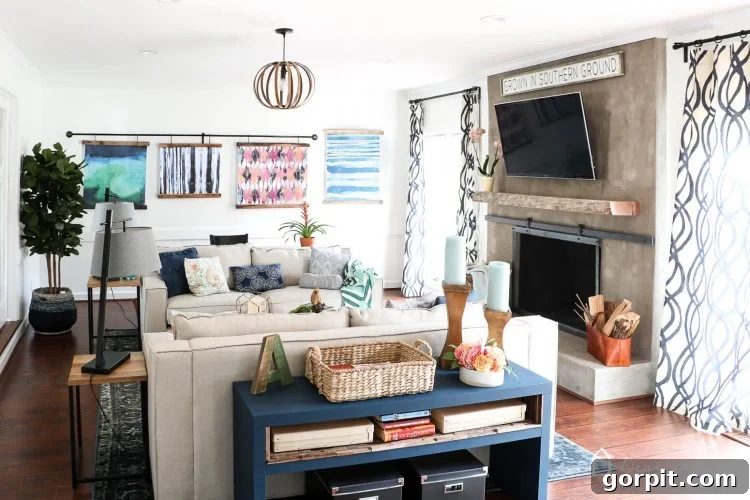
In our bedroom, we installed Select Surface’s Truffle Laminate flooring. This brand offers a vast range of colors; we used Canyon Oak downstairs, and the two shades are similar enough that you wouldn’t notice a difference when moving between floors. Our journey with laminate has been incredibly positive, and we highly recommend it. Find out more about our satisfaction with laminate here.
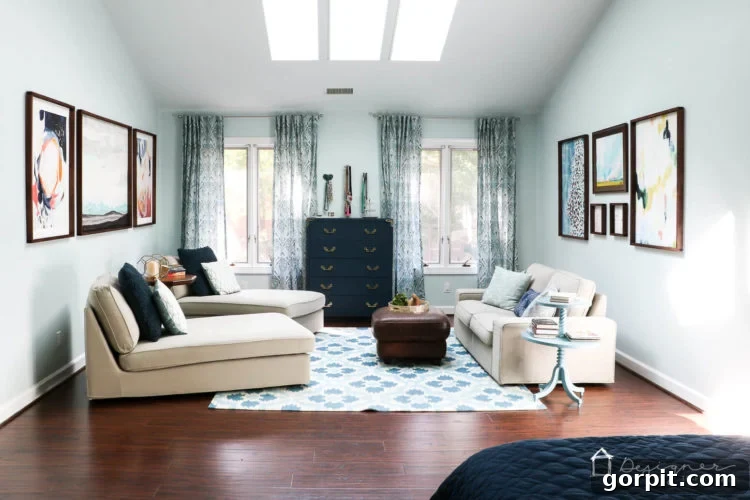
So, if you’re currently living with less-than-ideal flooring, there’s no need to fret! There are countless affordable flooring options available to rejuvenate your home. You’re not beholden to the current look of your floors. If you’re house hunting, don’t dismiss a potentially perfect home just because of unsightly carpeting or scratched-up floors. If a house has solid “bones” and no structural damage, flooring is often a cosmetic fix that is entirely achievable, I promise.
Whether you’re embarking on a major renovation or simply looking for an update, understanding the pros and cons of various flooring types is essential. This comprehensive guide covers all the different options, helping you navigate possibilities and find the best flooring for your budget and lifestyle. Even if you’re starting with ugly beige carpeting, like we did, the perfect solution is within reach!
For your convenience, this post contains affiliate links. Check out our full disclosure policy here.
The Ultimate Pros & Cons of Popular Flooring Types
Laminate Flooring
Pros: As I’ve enthusiastically shared, I’m a genuine convert and passionate advocate for modern laminate flooring. Gone are the days when laminate was synonymous with a “tacky” or cheap appearance. Today’s laminate, especially options like our hand-scraped Select Surfaces flooring, is virtually indistinguishable from real hardwood. Installation is a breeze thanks to click-and-lock systems, and it lays flat without the hollow or clicking sounds often associated with older laminate. It boasts impressive durability, resisting scratches, dents, and fading, making it ideal for high-traffic areas and homes with pets or children. Many high-quality laminates even come with an integrated foam backing, eliminating the need for separate subfloor preparation. Furthermore, it’s incredibly affordable, typically ranging from $0.50 to $3.00 per square foot, offering a luxurious look without the premium price tag. Cleaning is also straightforward, requiring only a damp mop with water and vinegar or a multi-surface cleaner like Mrs. Myer’s Multi-Surface.
Cons: While generally more cost-effective than many other flooring types, laminate might still be a significant investment for extremely tight budgets, possibly requiring installation one room at a time. The quality spectrum is broad; very cheap laminate can still look, well, cheap, lacking the realistic texture and durability of its higher-end counterparts. It’s crucial to select a reputable brand and a higher-quality product to avoid issues like peeling, warping, or an artificial appearance. Also, while water-resistant to a degree, standing water can cause damage, so immediate cleanup is important.
Tile Flooring (Ceramic & Porcelain)
Pros: Tile flooring, encompassing ceramic, porcelain, granite, slate, and marble, is revered for its timeless beauty, versatility, and enduring strength. It can complement an extensive range of décor styles, from rustic to ultra-modern, and comes in an incredible variety of colors, patterns, and sizes, including popular faux-wood and faux-stone designs. Tile is exceptionally easy to clean, highly durable, and remarkably resistant to water and stains, making it an excellent choice for bathrooms, kitchens, and entryways. Its non-porous surface also makes it a hygienic option, ideal for allergy sufferers. Moreover, tile works wonderfully with radiant heated flooring systems, providing luxurious warmth. Pricing is highly variable, starting from around $1/square foot for basic ceramic and escalating to $20+ for premium natural stone or intricate designs.
Cons: One of the most common complaints about tile is its coldness underfoot, especially in bedrooms or living areas where comfort is paramount. Its hard surface can also make it noisy to walk on, amplifying sounds, and anything dropped on it is likely to break. While some tiles have textured finishes, many can be slick when wet, posing a slip hazard. Grout lines, though essential, can be a maintenance challenge, prone to staining and cracking over time, requiring periodic cleaning and re-sealing. Repairing or replacing a cracked tile can be a difficult and sometimes noticeable process, as matching existing tiles perfectly can be challenging.
Hardwood Flooring
Pros: For many, hardwood flooring represents the pinnacle of elegance and value. Before discovering the wonders of modern laminate, I was exclusively a hardwood enthusiast in my previous homes. Hardwood offers unparalleled natural beauty, warmth, and character that can elevate any space. It comes in a vast array of species (oak, maple, cherry), finishes (matte, satin, glossy), and styles (solid, engineered, parquet, wide plank), ensuring a perfect match for any aesthetic. Hardwood significantly increases a home’s resale value and is incredibly easy to care for with proper maintenance. It’s naturally stain-resistant, and its greatest advantage is the ability to be refinished multiple times, effectively erasing scratches, dents, and wear, making it a truly long-lasting investment. Pricing starts around $3/square foot and goes up considerably, with installation costs adding to the total.
Cons: While beautiful, hardwood is a hard and often loud surface, necessitating area rugs to absorb sound and add warmth. It is susceptible to scratches, dents, and water damage, requiring careful protection, especially in kitchens or bathrooms where spills are frequent. Although refinishing can restore its beauty, it’s a costly, time-consuming, and disruptive process, as we experienced in our previous house. Hardwood doesn’t fare well with excessive moisture, which can cause warping, cupping, or buckling, and strong sunlight can lead to fading over time. Its natural properties also mean it can expand and contract with changes in humidity and temperature.
Standard Vinyl Flooring
Pros: Standard vinyl flooring has undergone significant improvements in recent years, moving beyond its dated reputation to offer practical and stylish solutions. Ranging from $1-$3/square foot, it’s one of the most budget-friendly flooring options available. Vinyl is exceptionally easy to cut and install, making it a popular DIY choice, available in convenient peel-and-stick sheets or rolls. It provides a softer, more forgiving surface underfoot compared to tile or hardwood, reducing noise and offering a degree of insulation against cold subfloors. It’s also remarkably easy to clean and fairly durable against everyday wear. If you have existing vinyl floors and desire an update without full replacement, painting them can yield fantastic, long-lasting results. You can follow my detailed tutorial on how to paint vinyl floors for impressive durability.
Cons: As a softer material, vinyl is more prone to dents from heavy furniture, tears, rips, or cracks from sharp objects or heavy impacts. Hiding seams in sheet vinyl can be challenging, and over time, these seams may become more noticeable. While quality has improved, older or cheaper vinyl can still yellow, fade, or curl at the edges with age and exposure. A significant concern for some homeowners is the material’s composition; vinyl is not a natural material and is typically made from petroleum and chlorine. There’s ongoing debate regarding the release of volatile organic compounds (VOCs) and other chemicals into the household, making it a less environmentally or health-conscious choice for those sensitive to chemicals. Installation adhesive can also make removal difficult, and the subfloor underneath often doesn’t fare well after vinyl removal.
Luxury Vinyl Flooring (LVT/LVP)
Pros: Luxury Vinyl Tile (LVT) and Luxury Vinyl Plank (LVP) are high-performance flooring options designed to mimic the sophisticated appearance of natural materials like wood, stone, and ceramic with remarkable realism. They are typically constructed with multiple layers, including a photographic print layer and a robust protective coating. Available in planks (LVP) or tiles (LVT), installation is often straightforward thanks to click-lock systems, making it a favored DIY project for many. A key advantage is its exceptional durability and superior moisture resistance, making it an outstanding choice for areas prone to spills such as kitchens, bathrooms, and basements, where wood or even regular vinyl might struggle. Unlike wood, it won’t warp or crack with water exposure, and it offers a comfortable, resilient feel underfoot.
Cons: While offering a high-end look, luxury vinyl can be as expensive as some real wood or tile options, typically costing $3-$7 per square foot, without always delivering the exact same natural feel or long-term value appreciation as authentic materials. Although styles are continuously improving, some discerning eyes might still detect the difference. Its robust composition can make cutting luxury vinyl challenging, especially when fitting it into small or irregular spaces, potentially requiring specialized tools. Despite its enhanced durability over standard vinyl, it still shares some similar drawbacks, such as susceptibility to deep scratches or dents from very heavy objects, and it can be sensitive to extreme heat, which might cause bubbling or discoloration.
Linoleum Flooring
Pros: Contrary to popular belief, linoleum is distinct from vinyl. It’s an eco-friendly flooring option made from natural and renewable materials like linseed oil, wood flour, cork dust, and natural resins. This composition makes it one of the most sustainable and biodegradable flooring choices available. Linoleum features through-body color, meaning its color extends throughout the entire material, which effectively hides scratches and minor damage, ensuring its appearance remains consistent even with wear. It is incredibly durable, often lasting 20-30 years with proper care and maintenance, and possesses natural antimicrobial properties, making it an excellent choice for kitchens, playrooms, and even healthcare settings. Its inherent flexibility also provides a comfortable and quiet surface underfoot.
Cons: Linoleum typically costs more than standard vinyl, ranging from $2-$5 per square foot. It has a very distinct, often vintage-inspired aesthetic that may not seamlessly integrate with all modern decorating styles, although its unique charm is highly sought after by many. Proper installation is crucial and can be more complex than vinyl; it requires a specific adhesive and must be sealed once installed to protect against moisture and ensure longevity. While durable, if the top sealant is not properly maintained, prolonged exposure to moisture can cause the edges to curl or lead to water spots, as my parents learned from personal experience. It also needs time to “cure” after installation, during which it may emit a faint linseed oil scent.
Concrete Flooring
Pros: Concrete flooring is synonymous with unparalleled durability and a distinctly modern, industrial aesthetic. You could literally drive a truck over it, and it would remain undamaged! Beyond its strength, concrete offers incredible versatility in design. It can be stained, polished, or textured in virtually any color or finish, transforming a utilitarian surface into a sophisticated design element that no longer screams “cement floors.” When expertly done, polished or stained concrete exudes a classy and beautiful vibe, perfectly complementing contemporary and industrial-chic interiors with exposed beams, brick, and pipework. Once properly sealed, it stands up to all sorts of abuse and is remarkably low maintenance. It also works exceptionally well with radiant heat floor systems. Surprisingly, concrete can be quite inexpensive, with poured concrete starting around $2 per square foot, increasing with specialized textures and finishes.
Cons: While the material itself isn’t inherently difficult to work with, a full DIY installation of poured concrete flooring is a substantial undertaking, generally requiring professional assistance to ensure a level, crack-free finish. However, concrete overlays on existing flooring can be a viable DIY option for the adventurous homeowner, though not for the faint of heart. I’ve personally used concrete overlays to transform my sink and vanity, and our fireplace with Ardex Feather Finish, both with stunning results. The primary drawback of concrete is its propensity to crack over time due to temperature fluctuations, especially with overlays. Additionally, being cement, it’s inherently cold and hard underfoot, which can be uncomfortable in living areas unless paired with radiant heating or abundant area rugs for warmth and softness.
Cork Flooring
Pros: Cork flooring is a visually stunning and naturally sustainable option, prized for its unique texture and environmental benefits. Made from the bark of cork oak trees, harvested without harming the tree, it’s an incredibly renewable resource. Cork offers exceptional sound absorption, creating quieter, more peaceful interiors, and acts as a natural insulator, retaining heat and feeling wonderfully warm underfoot. Its soft, forgiving nature makes it comfortable to stand on for extended periods, providing a gentle bounce that’s easy on joints. Cork also possesses natural antimicrobial properties, making it suitable for kitchens and bathrooms, and is hypoallergenic. It’s available in planks, mosaic tiles, and various patterns, with a range of finishes, stains, and textures, offering design flexibility. It’s an affordable eco-friendly choice, typically costing $3-$8 per square foot. My parents installed it in their home four years ago and have been very satisfied with their decision.
Cons: Much like concrete, cork flooring has a distinctive aesthetic that homeowners tend to either love or find challenging to integrate with certain decor styles. Being an all-natural material, cork can be susceptible to fading, and may develop an orange or yellow hue over time, especially with prolonged exposure to sunlight. While resilient, heavy furniture can leave permanent indentations. Installation can be more intricate than other DIY options; it often involves applying adhesive, carefully setting tiles or planks, and then applying multiple coats of urethane sealant, sometimes followed by hand sanding. Crucially, if the top seal isn’t regularly maintained and re-sealed, cork can absorb moisture, leading to water spots or damage from spills, a lesson my parents learned firsthand.
Bamboo Flooring
Pros: Bamboo flooring stands out with its distinctive, contemporary aesthetic, offering a sleek and natural look that appeals to many. It’s crafted by pressing and weaving natural bamboo fibers into planks, similar in form to hardwood. Bamboo is celebrated as a rapidly renewable resource, making it an eco-friendlier alternative to traditional hardwoods. It’s generally easy to clean and can be installed with relative ease. Its light coloration is particularly well-suited for modern or minimalist interior designs, brightening spaces. Priced affordably between $3-$5 per square foot, it presents an attractive option for homeowners seeking a stylish yet sustainable floor.
Cons: Despite its natural appeal, bamboo flooring isn’t always the most durable option compared to many other types of flooring. It is notoriously susceptible to scratches and dents, sometimes showing wear much faster than expected. As I mentioned earlier, our kitchen floors were bamboo, and we painted them due to their severe damage, despite being less than 10 years old. Personally, I’ve found the wear and tear resistance of bamboo floors to be quite unimpressive. A significant environmental drawback is that many bamboo planks are manufactured using formaldehyde, which contradicts the “natural” and eco-friendly aspect often associated with bamboo. Furthermore, bamboo is sensitive to water and humidity; its fibers can swell and expand when exposed to moisture, making it a less-than-ideal choice for high-moisture areas like bathrooms or kitchens. This sensitivity can lead to warping or buckling if not properly controlled.
Carpet Flooring
Pros: While its popularity has fluctuated since the shag carpets of the 60s and 70s and the wall-to-wall trend of the 80s and 90s, carpet remains a prevalent and appealing flooring choice, especially for specific areas of the home. It’s highly affordable, typically ranging from $2-$5 per square foot, making it one of the most budget-friendly options. Carpet excels at adding warmth, softness, and coziness to bedrooms, playrooms, and areas with lower traffic. It’s an excellent sound insulator, reducing echoes and muffling noise, which contributes to a quieter home environment. Available in an immense variety of colors, textures, patterns, and pile heights, carpet offers unparalleled design flexibility. Crucially, it can effectively cover uneven, ugly, or unsalvageable subfloors, providing an immediate aesthetic upgrade. Our twin girls’ rooms still have carpet, and I must admit, it makes them feel wonderfully warm and inviting, though we do plan to replace it with laminate someday.
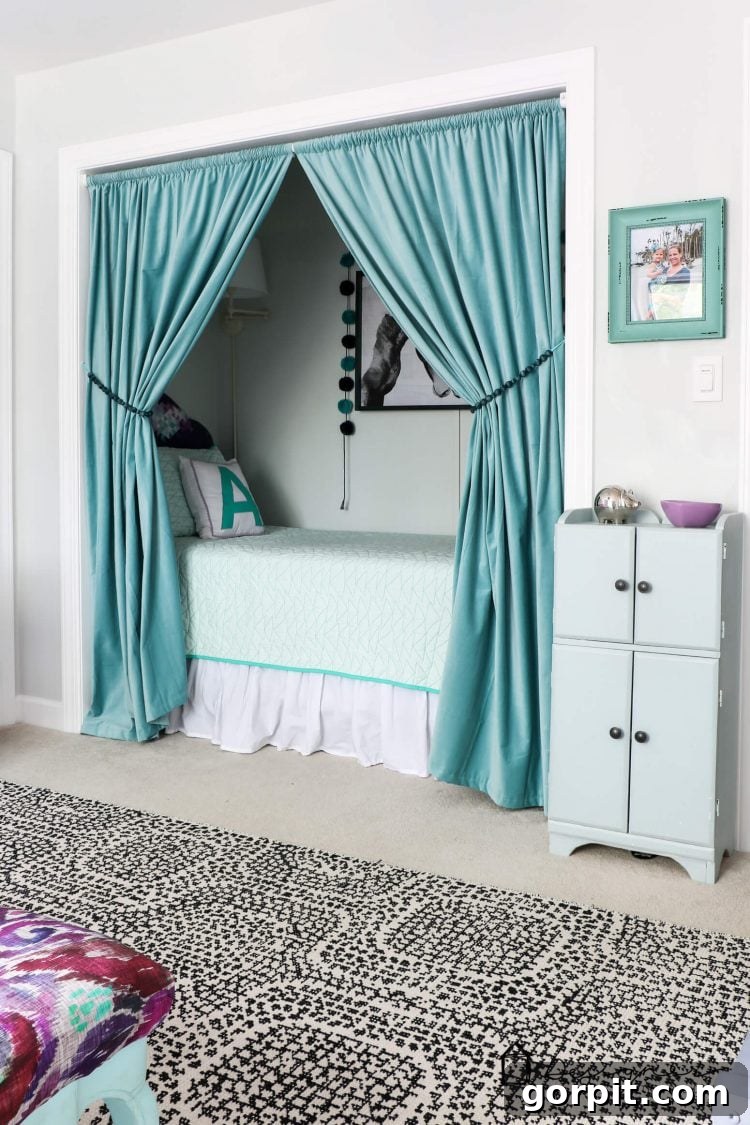
Cons: After personally removing carpet from our playroom, bedrooms, living room, and stairs, I can attest that carpet is a significant trap for dirt, dust, allergens, and general nastiness. Even with regular vacuuming and professional steam cleaning, embedded dirt and allergy-causing dust mites persist. For homes with kids or pets, carpet represents a constant risk; a single spill, like a glass of juice, can quickly lead to a permanent stain or necessitate a new area rug. Installation usually requires professional expertise, which adds to the overall cost. There’s limited flexibility for improving or updating carpet once it’s laid; typically, the only solution for significant wear or damage is complete removal and replacement. Furthermore, many carpets can emit volatile organic compounds (VOCs) and other chemical compounds, which can be a concern for indoor air quality and general health, especially for sensitive individuals.
Choosing Your Perfect Floor: Key Considerations
Ultimately, there’s no single “best” flooring type; the ideal choice is deeply personal and depends on a confluence of factors unique to your home and lifestyle. While every flooring material has its own set of pros and cons, the good news is that the market offers a diverse range of options, ensuring you can find a perfect fit. I never would have imagined becoming such an ardent fan of my vinyl and laminate floors, nor would I have expected them to achieve such beautiful and durable results!
If you’re currently living with floors you don’t love, don’t despair. With so many affordable and attractive choices available, you’re sure to find the best type of flooring to meet your specific needs, aesthetic preferences, and budget. When you embark on installing new flooring, take the time to thoroughly review the pros and cons of each type. Opt for a flooring solution you can genuinely live with and enjoy for the long haul, as it’s an investment in your home’s comfort, beauty, and value.
Other posts you may enjoy:
- Gorgeous But Cheap Flooring Ideas
- The Best Garage Flooring Options for a Fresh Update
- How to Install a Floating Tile Floor
- The Easy Way to Update Outdated Tile Without Replacing It
- Everything You Need to Know About Floor Tile Stickers
Wondering how I approach transforming rooms and spaces in our home? Check out Designer in a Binder®.
And if you want exclusive content and behind-the-scenes sneak peeks, be sure to subscribe before you head out!