Today, we’re delving into something deeply personal yet intrinsically linked to our living spaces: our feelings. You might be thinking, “What do my emotions have to do with my home? Isn’t this blog about home decorating?” The truth is, home decorating, and especially the process of decluttering your home, can be a profoundly emotional journey. It’s not just about tidying up; it’s about confronting memories, aspirations, and even anxieties tied to our possessions.
This article provides practical strategies to navigate the emotional landscape of decluttering. These principles are designed to make the process smoother, helping you conquer clutter effectively and maintain an organized, peaceful environment long-term.
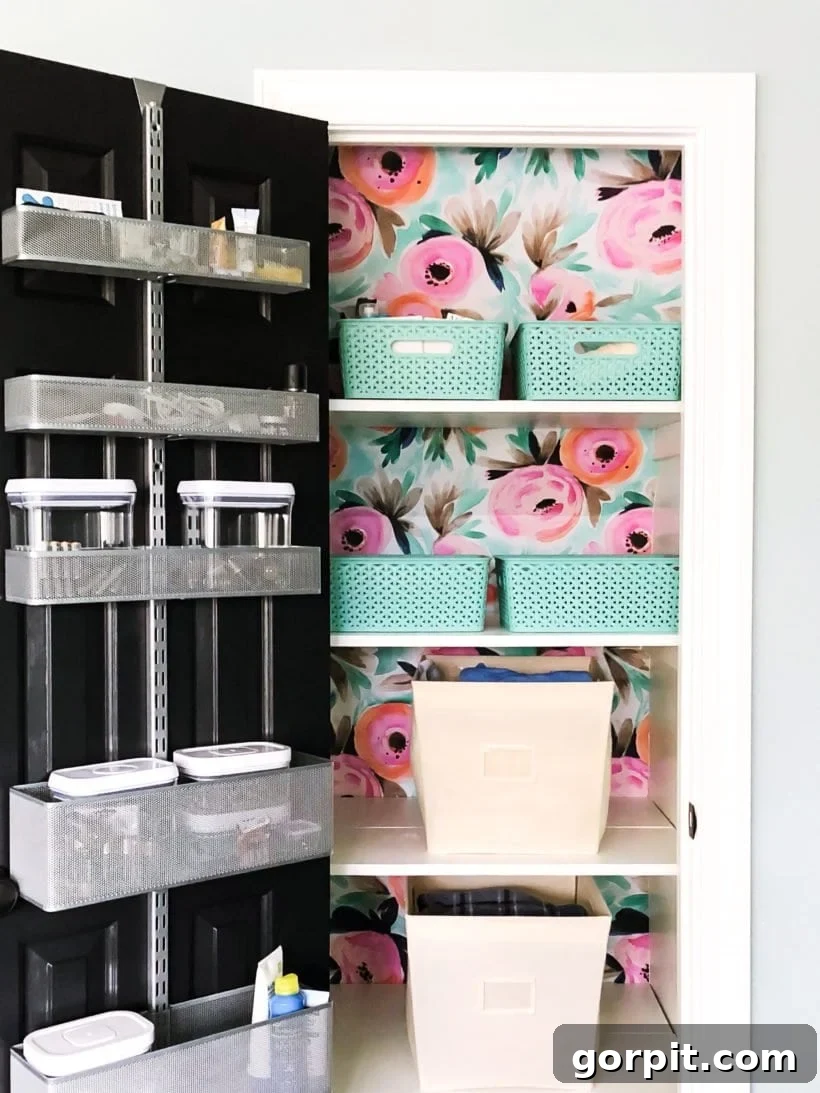
Table of Contents
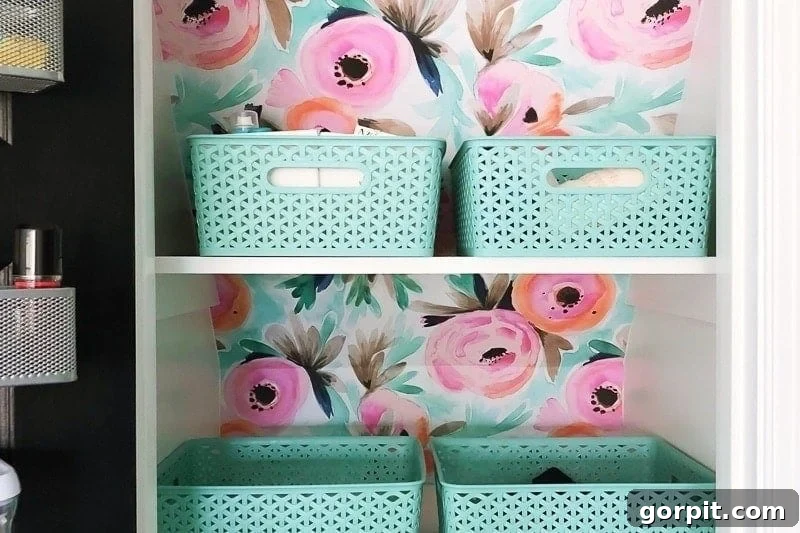
I recall a specific moment when my daughters outgrew their adorable toddler clothes and beloved toys. Initially, I thought parting with them would be simple. Yet, as I gazed at those sweet, miniature garments and cherished playthings, a wave of nostalgia washed over me. It felt like letting go of tangible memories of their early childhood. I ended up stashing them in our guest room closet, intending to donate them “when I found the time.” Honestly, I found myself procrastinating, unable to sever the emotional ties. It wasn’t just clothes; it was a chapter of our lives.
Eventually, I summoned the resolve to tackle the task. Our guest room closet had transformed into a chaotic repository for old bedding, forgotten clothes, unused toys, and various items awaiting donation or disposal. I envisioned a clean, welcoming space for guests, complete with a usable, spacious closet. This vision fueled my determination to confront the clutter head-on.
This scenario isn’t unique to guest room closets or baby clothes. Most of us have areas in our homes that desperately need attention, yet we struggle to initiate the organizing process or make decisions about what to keep. From overflowing junk drawers and disorganized pantries to cluttered entryway tables, crammed clothes closets, and boxes gathering dust in attics and basements – we all have spaces where unused items accumulate. These hidden stashes, often overlooked, contribute significantly to our mental and physical clutter.
If you’re feeling ready to embark on your decluttering journey after reading this post, I highly recommend exploring my comprehensive realistic guide on how to declutter your home. For a quick, actionable aid, be sure to grab my ultimate one-page cheat sheet for decluttering; it’s designed to be helpful without being overwhelming.
How to Handle the Emotions of Decluttering Your Home
The act of letting go, organizing, and cleaning out can be challenging. It’s often emotional, sometimes even a little painful, but it is unequivocally rewarding. Imagine returning to a home that feels clean, organized, and inviting—a truly calming environment. Your home should be your personal sanctuary, a place where you can relax, easily find what you need, and feel a sense of peace, rather than being constantly reminded of unfinished tasks and overwhelming piles. It should serve as a refuge from the daily grind, not a mirror reflecting life’s chaos.
So, are you ready to face the emotional core of decluttering? Let’s acknowledge the feelings that surface during this process and reclaim our relaxing, inviting spaces. It’s time to declutter not just our homes, but our minds too!
Why We Hold On to Our Possessions
To effectively let go, we must first understand why we cling to things. This might sound like advice for relationships, and in many ways, our connection to our belongings mirrors personal attachments. We form deep emotional bonds with our possessions, often intertwining them with precious memories. A child’s tiny shoe might evoke images of first steps, while a specific sweater could recall a cherished family vacation. These items become vessels for our happy times, our milestones, and the people we’ve loved.
Consider the gifts we receive: the espresso machine we’ve never used but might “someday,” the stack of books we intend to read, or the souvenirs from special occasions. Then there’s the paper clutter: heartfelt letters from friends, a card from a beloved grandparent, children’s preschool report cards, and every crayon drawing ever created. These aren’t just paper; they’re tangible representations of love, care, and significant life moments.
The core truth is, it’s not truly about the “stuff” itself. While the thought of parting with these items can be heartbreaking, remember that their true value lies not in their physical form, but in the memories and emotions we associate with them. Strip away the sentiment, and what are you left with? Just paper, fabric, wood, metal, glass, plastic—raw materials. The actual memories reside securely in our minds and hearts, untouched by the disposal of a material object.
We often fear disappointing someone by not using their gift. We feel a profound sense of nostalgia and pain when contemplating letting go of items that represent a past version of ourselves or our loved ones. We’re scared to discard artwork or letters because each piece carries a silent message of how much we were cared for, thought of, and loved. As I said, decluttering your home can be intensely emotional!
But here’s a critical reality: most of us own far more than we truly need or regularly use. This excess actually works against us, preventing relaxation, making it difficult to find what we need, and fostering chaos instead of peace. Essential items become buried under a mountain of things we don’t use but still hold onto. We can’t fully appreciate or enjoy what we *do* own because the sheer volume of possessions creates constant overwhelm.
If your desire is for an inviting, clean, restful, and beautiful home, then decluttering is an essential step. If you browse Pinterest or Houzz with a sense of longing, dreaming of a home that mirrors those in inspiring photos, know that it’s an achievable goal. The path there begins with cleaning out and organizing. You have the power to transform your space, and I know you can do it!
Overcoming Emotional Attachment With 3 Simple Rules
The most effective strategy for navigating the emotional upheaval of decluttering your home is to establish a clear set of rules. While I’m not inherently fond of rigid restrictions, the former lawyer in me understands that setting clear parameters can effectively depersonalize and remove emotion from decision-making. When you apply a rule to a particular item, you don’t need to dwell on the “feeling” part of decluttering. Instead, you can simply ask, “Does this item adhere to my established rules?” If it doesn’t, you can confidently conclude that you’re holding onto it for emotional reasons rather than practical ones. Decluttering, at its core, is a very rational and practical activity.
Ready to simplify the process and reclaim your space?
Rule #1: Every Item Needs a Designated Place
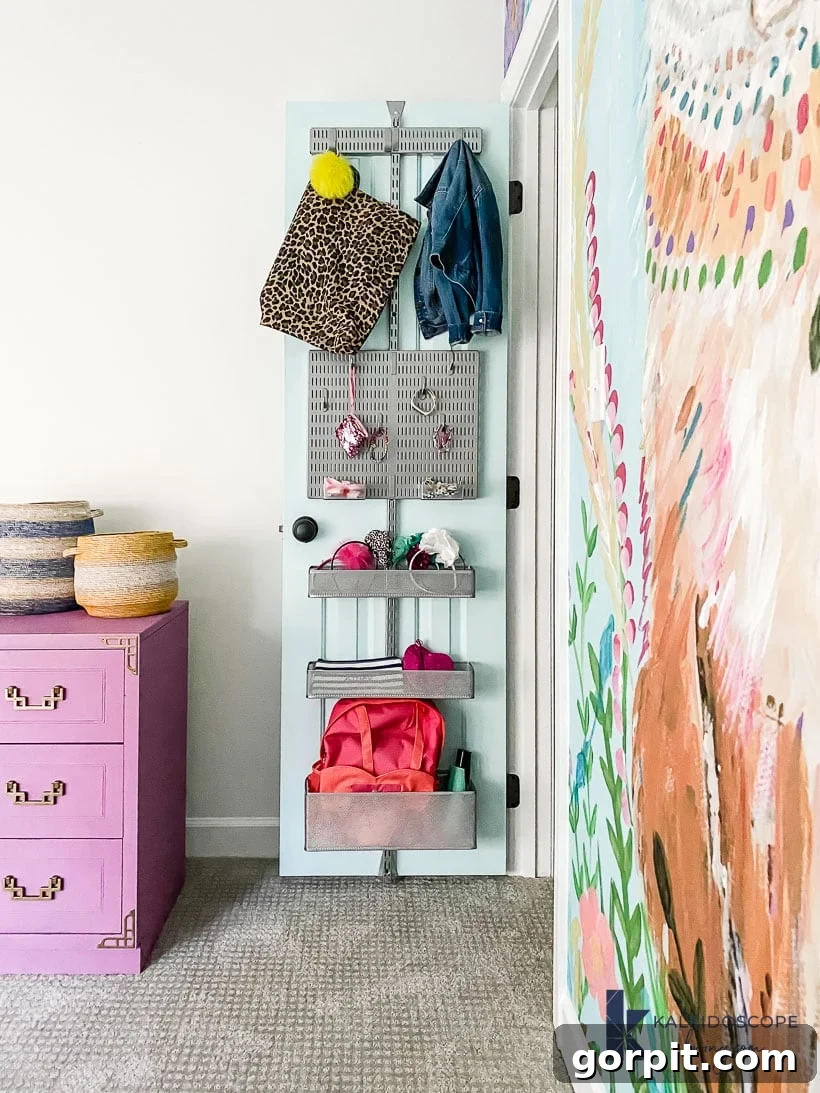
When I say “home,” I don’t mean a vague “junk drawer” or a perpetually expanding pile on the kitchen counter. Every single item in your possession must have a proper, specific, and clearly defined place where it belongs. This isn’t just about tidiness; it’s about creating a logical system where everything has a logical endpoint. No more items languishing on the hall table, dominating the dining room, or forming chaotic stacks in various corners.
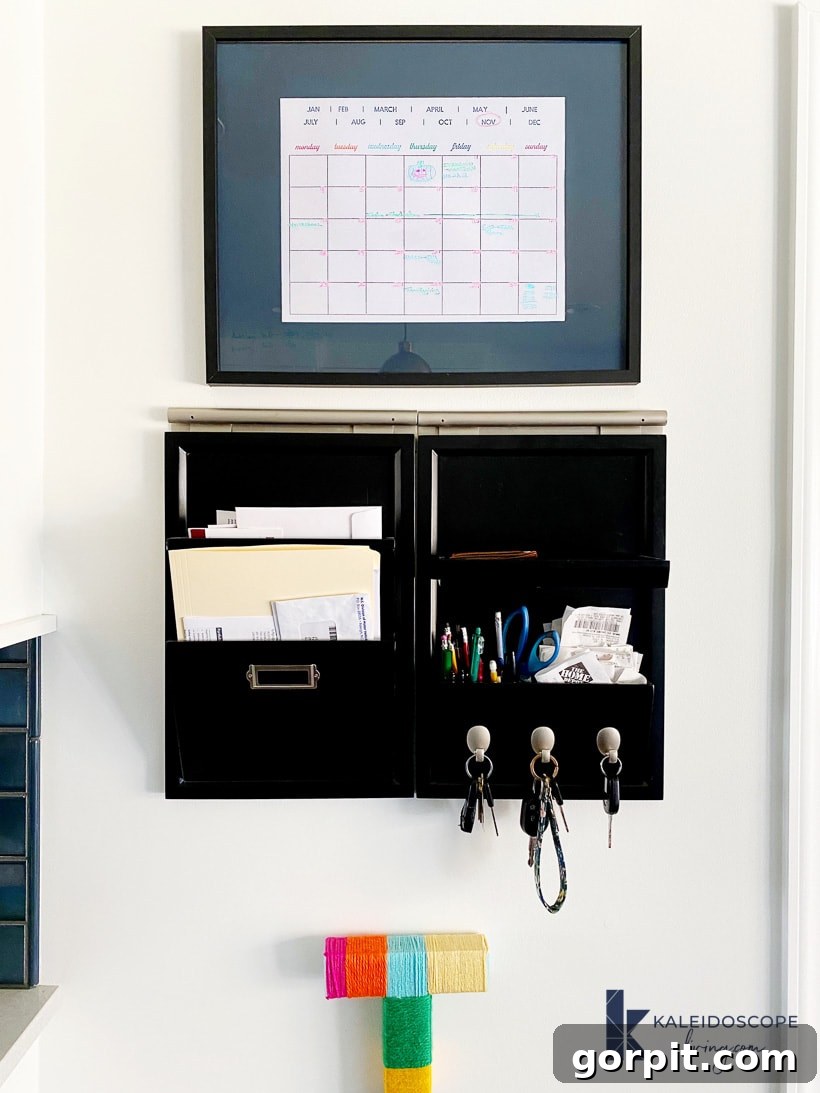
For instance, implementing a family command center can dramatically reduce paper clutter, keeping important documents, schedules, and everyday items off your kitchen counters and organized. Ours, shown below, is a testament to how effective a dedicated hub can be.
Similarly, a well-organized linen closet should have a precise spot for everything from fresh towels and extra toiletries to batteries and medications. If an item lacks a designated spot, it’s a strong indicator that you either don’t truly need it, or you need to re-evaluate its purpose and find it a home – or let it go.
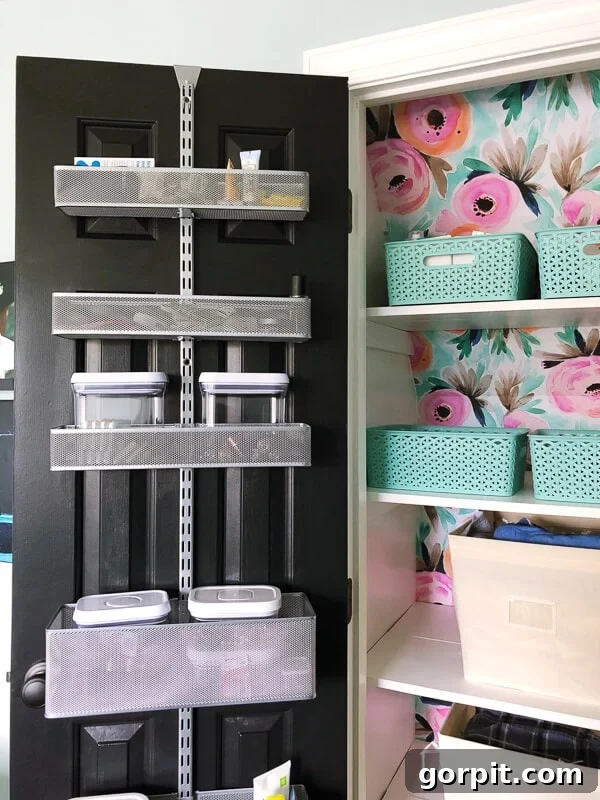
Toys should reside in their designated play area, neatly stored in organized containers (check out my favorite playroom storage ideas for inspiration). Books belong on bookshelves. Your kitchen cabinets should be organized to allow easy access to everyday essentials. Spices should be in a spice rack (and remember to check their expiration dates!). Your closet should be organized with clothes carefully hung on matching hangers. If you consistently find yourself short on space or hangers, it’s a clear signal: it’s time to pare down to only the items for which you have adequate storage.
Of course, seasonal items are a logical exception to this rule. Storing winter sweaters in a bin during summer or holiday decorations in a labeled box in the attic doesn’t mean you should discard them annually. However, if an entire year passes without you reaching for certain seasonal accessories or decorations, it’s a strong indication that it’s time to say goodbye. The bottom line is simple: every item you own should have a dedicated, accessible home. This principle is fundamental to maintaining an organized, stress-free environment.
Rule #2: Everything Must Serve a Current Purpose
How many of us cling to items under the hopeful but often unrealistic premise that we “might need it someday”? Perhaps it’s that fondue pot or panini press received as a wedding gift that sits unused. Maybe it’s a collection of pre-baby clothes you aspire to fit into again. Or perhaps framed art that no longer suits your decor but feels too significant to part with. These “someday” items create mental and physical clutter, weighing you down and preventing your home from fully serving its purpose.
The guiding principle here is simple: everything you own should bring you joy, be actively used, or serve a clear, present function. This means a genuine sense of happiness or utility, not just a vague “I kinda like this.” If an item doesn’t genuinely uplift you or isn’t regularly integrated into your life, it’s time to release it. Donating or selling items can significantly alleviate the feeling of being wasteful. When you donate, you’re giving an item a second life, allowing someone else who genuinely needs that fondue pot or mini skirt to be thrilled by their new acquisition. It will be used and loved anew, extending its lifecycle and purpose.
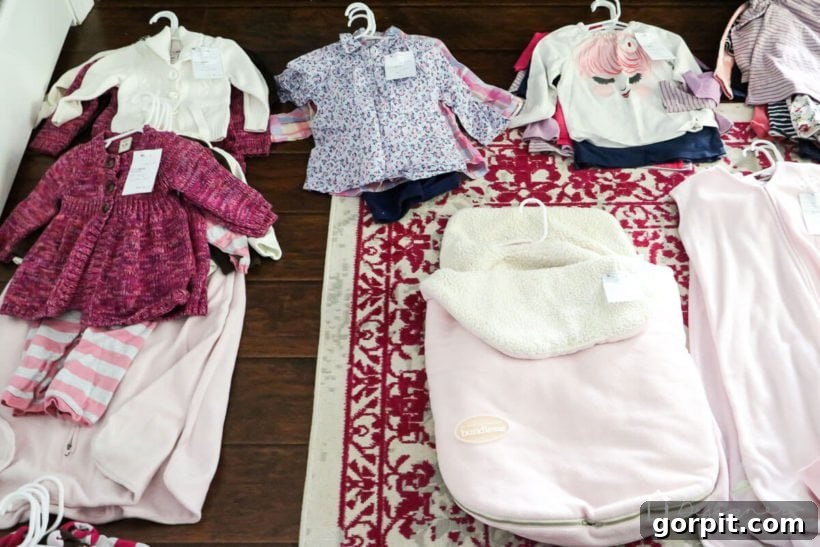
This sentiment resonated deeply with me when I finally processed my sweet girls’ baby clothes. The idea that another family would enjoy seeing their little one(s) in those adorable outfits brought me genuine satisfaction. Selling them at consignment sales, as we recently did, also makes these items more accessible and affordable for many families. (I’m planning an upcoming post specifically on how to decide what to sell at consignment sales, effective pricing strategies, and how to get organized for these events – stay tuned!).
What about broken, damaged, or worn-out items? Unless you are genuinely committed and diligent about repairing or repurposing them within a very short timeframe, dispose of them. Don’t let them accumulate in a “to-fix” pile in your workspace for months. If you know you won’t get to the repair or repurpose project within the next week or two, take a page from Elsa of Frozen and simply, let it goooo. Holding onto broken items only adds to the visual and mental clutter, symbolizing unfinished tasks and adding to your overall stress.
Rule #3: Release Items Promptly
Remember my earlier anecdote about the toddler clothes? A significant reason they lingered in our guest closet was my failure to adhere to this crucial rule. I set them aside, intending to donate them “later” because I wasn’t emotionally ready to let go. However, as I mentioned, I eventually took decisive action, selling some at a consignment sale and donating the rest. Just like that, they were out of our house and destined for a new life with another family – a truly satisfying outcome!
Here’s the critical point: if you set items aside for donation, only for them to sit in the trunk of your car or garage for months, you haven’t actually decluttered. You’ve merely relocated the clutter. To truly declutter, the items must leave your property swiftly.
When you make the decision to get rid of an item, act on it immediately. Plan a trip to your local Goodwill, St. Vincent DePaul, or other charity donation center. For items you wish to sell, consider downloading an app like eBay or Facebook Marketplace. Snap photos as you go, post them, and sell them without delay. Set a strict deadline for yourself – two weeks, at most. If an item isn’t sold or donated by that deadline, it goes straight into the trash. This firm approach prevents items from re-establishing themselves as clutter in a new location.
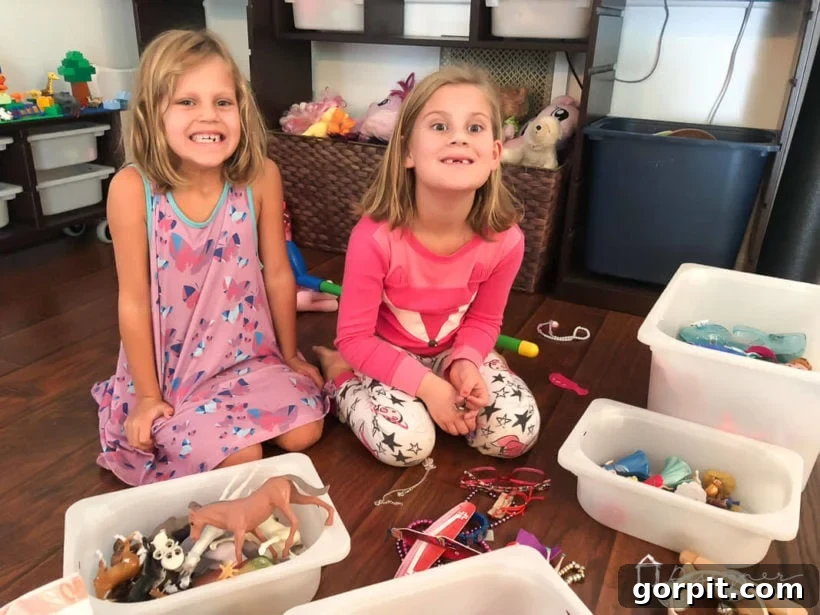
This old photo shows the results of a decluttering session with my girls in their playroom. All items designated for removal were bagged and donated just two days later. We didn’t allow them to linger, ensuring the decluttering effort was complete and effective.
For paperwork, photos, and other memorabilia, develop a system to deal with them efficiently. I highly recommend going paperless as much as possible by scanning and digitally saving documents. Only keep the absolute best of the best: items that are truly scrapbook-worthy, frameable, or essential for legal/tax purposes. Unnecessary paperwork quickly adds to the overwhelming clutter.
Finally, for items that are too worn out to sell or donate, or if you simply can’t muster the motivation to quickly donate, sell, or repurpose them, toss them out. Throw them away. While it might sound harsh, and many of us dislike being wasteful, the mental burden of holding onto these items often outweighs the perceived wastefulness. I am a strong advocate for repurposing – you can see how we transformed an old backyard fence into a stunning herringbone plank wall, and how we created planters from old light fixtures. However, if an item is consistently holding you back from achieving a clutter-free home, you will ultimately feel immense relief once it’s gone.
Holding onto excess stuff creates a heavy weight, injecting chaos into our lives and stress into our homes. It transforms our living environment from a cozy, comforting haven into a suffocating space. If you’re emotionally ready to begin decluttering your home, I have a wealth of resources available to guide and support you. For a deeper dive into managing overwhelming clutter, listen to our podcast episode: “What to Do When Your House Feels Overstuffed.”
You may also find these posts incredibly helpful for your organizing journey:
- How to Declutter Your Home: A Realistic Guide
- Linen Closet Organization: 7 Simple Tips for a Pretty and Functional Linen Closet
- How to Organize Your Life With Work + Kids
- Coat Closet Organization for Under $100
- The Best Ways to Keep Your House Clean With Dogs
- Mind-Blowing Alexa Hacks that Make Life Easier
Curious about my unique approach to transforming rooms and spaces within our home? Discover the power of Designer in a Binder®, an affordable and straightforward method for decorating your space beautifully.
For exclusive content, behind-the-scenes sneak peeks, and fresh inspiration delivered straight to your inbox, be sure to subscribe before you leave!