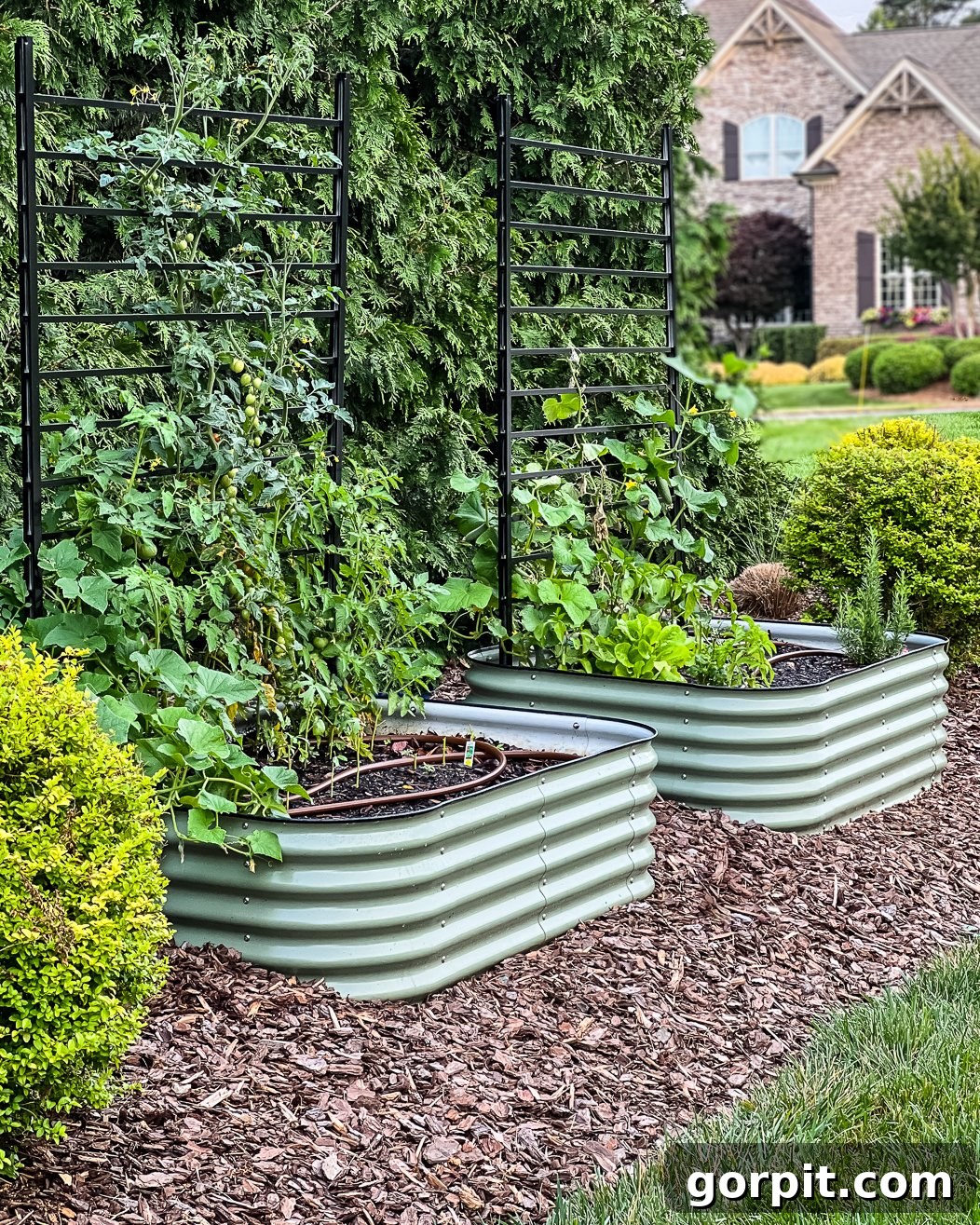
Gardening offers a delightful escape, a rewarding hobby that can bring joy to individuals and families alike. Yet, for many, the dream of a lush backyard garden remains just that—a dream, constrained by limited space or restrictive homeowner association guidelines. This is precisely where the innovation of raised garden beds shines. Today, we’re diving deep into an honest, no-holds-barred assessment of Vego Garden Beds, a product we personally invested in back in August 2022. This comprehensive review will cover everything from their unique materials and available sizes to configuration possibilities, helping you decide if these highly acclaimed beds, known for their durability, ease of use, and adaptability, are the perfect solution for your gardening aspirations.
This post contains affiliate links for your convenience. Click here for my full disclosure policy.
Before we delve into the specifics, it’s crucial to establish the integrity of this review. This article is not sponsored content, and we were not gifted our Vego garden beds. We purchased them at full retail price, ensuring our initial experience was entirely authentic and unfiltered. Since experiencing their exceptional quality and performance firsthand, I have chosen to become an affiliate for Vego Garden, a testament to my genuine satisfaction with their products. This post was thoughtfully updated on May 6, 2025, to reflect nearly three years of real-world use and long-term insights.
DISCOUNT ALERT
Unlock savings on your Vego Garden order! Use code TASHA.KALEIDOSCOPE10OFF at checkout to save $10.
Like countless families, our enthusiasm for gardening often collides with practical limitations: a modest yard size, and the added layer of HOA restrictions that dictate what and where we can plant. Despite these hurdles, our desire to cultivate fresh vegetables and vibrant cutting flowers remained strong, leading us to explore creative gardening solutions. Raised garden beds quickly emerged as a promising option for maximizing our growing potential within these constraints.
Before sharing our in-depth findings on Vego Garden Beds, it’s beneficial to understand the overarching advantages and potential drawbacks of raised garden beds in general. While they offer many benefits, they aren’t a universal perfect fit for every gardener or every space.
The Multifaceted Advantages of Raised Garden Beds
Raised garden beds revolutionize gardening for many, primarily due to their remarkable versatility. Their self-contained nature means they can be situated almost anywhere with adequate sunlight – from traditional garden plots and expansive backyards to compact urban balconies, patios, and even rooftops, making them an ideal solution for apartment and condo dwellers. Beyond spatial flexibility, raised beds offer enhanced accessibility, a significant benefit for gardeners with mobility challenges, as they reduce the need for bending and kneeling. This design also inherently promotes superior soil drainage, a critical factor for the health of many fruits, vegetables, and herbs, preventing root rot and waterlogging. Furthermore, raised beds provide a more controlled environment for your plants. They are excellent for suppressing weeds by creating a clear boundary against invasive growth, and the concentrated growing area often translates into easier maintenance and more efficient plant care.
Considering the Disadvantages of Raised Garden Beds
While the benefits of raised garden beds are substantial, it’s equally important to acknowledge their potential downsides. One of the primary considerations is cost. Investing in materials and installation for raised beds is undoubtedly more expensive than simply preparing a patch of ground for planting. This initial outlay can be a barrier for some gardeners. Another common challenge, especially in warmer climates, is that raised garden beds can heat up and dry out more quickly than in-ground gardens. This increased exposure to air and sun means they often demand more frequent watering, which can translate to higher maintenance and a greater time commitment. For novice gardeners or those with limited time, this added upkeep could be a deterrent, making the initial appeal of “easy gardening” seem less straightforward. These factors led us to carefully weigh our options before committing to a raised bed system.
After thorough consideration, raised garden beds clearly emerged as the optimal solution for our unique gardening needs. The next critical decision was whether to embark on a DIY build or invest in pre-manufactured beds. Our previous experience with building raised beds at our old house, even using recommended lumber, was disheartening; they deteriorated surprisingly quickly. The effort and time invested, only to see them fail prematurely, made us hesitant to repeat the process. We were determined to find a more durable and long-lasting alternative to traditional wooden beds. This search for superior materials and lasting quality ultimately led us to discover Vego Garden Beds, a brand that promised to resolve the issues we’d faced.
Introducing Vego Garden Beds: A Deep Dive
My first encounter with Vego Garden Beds was, like many, through engaging content on Instagram. Their sleek aesthetic immediately caught my eye. However, visual appeal alone wasn’t enough; I needed to understand what lay beneath the surface – their composition, available dimensions, and the myriad configuration possibilities. This spurred a significant amount of research, the fruits of which I’m sharing now to save you the investigative legwork. These are the crucial insights that informed our decision to choose Vego beds.
Let’s get straight to the point: our satisfaction with our Vego Garden Beds is absolute. We couldn’t be happier with our investment and would unequivocally purchase them again. In fact, we anticipate expanding our collection with a few more in the coming years. They have proven to be the perfect blend of functionality and aesthetic appeal for our landscape. However, it’s important to recognize that while they are ideal for us, they might not be the ultimate choice for every gardener. Continue reading to discover all there is to know about Vego beds and determine if they align with your specific gardening vision and needs.
Advanced Materials and Flexible Sizing Options
Vego Garden Beds distinguish themselves with their innovative construction. They are crafted from galvanized steel, meticulously coated with a multi-layer powder finish known as Aluzinc. This advanced material combination is engineered for exceptional longevity and unparalleled rust resistance, ensuring your beds endure for decades. A critical advantage of Vego beds is their 100% non-toxic nature; there is no leaching of harmful metals or toxins into the soil, guaranteeing that your plants remain pure and your produce safe for consumption. Galvanized steel itself is renowned for its durability and weather resistance, capable of withstanding harsh elements like heavy rain, strong winds, and extreme temperatures, making it a superior choice over traditional wood or plastic options.
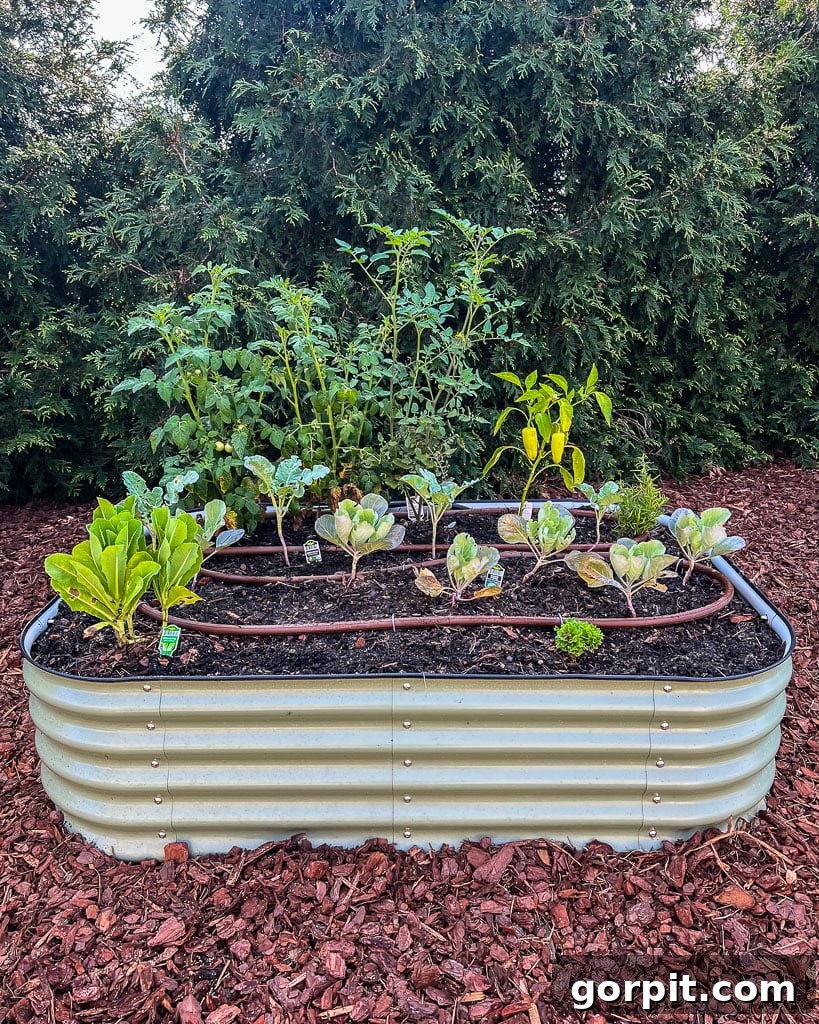
Initially, I harbored concerns about the sharpness of steel edges. To my relief, Vego has meticulously designed every aspect for safety. All corners are smoothly rounded, and even the cap nuts are designed without any sharp protrusions. This thoughtful engineering means there’s absolutely no risk of scrapes or cuts, making these beds perfectly safe for children and pets. Another common concern with metal beds is heat retention. I was pleasantly surprised to find that the steel walls do not become uncomfortably hot to the touch, even under intense summer sun. Research reveals a fascinating advantage: soil within galvanized steel beds maintains a more optimal and consistent temperature compared to those made from wood, concrete, or dark plastic, which can absorb and retain heat long after the sun sets. This temperature stability is crucial for healthy root development and overall plant vigor.
Vego Garden Beds also excel in their variety of available sizes and shapes, offering incredible design flexibility. For details on the exact dimensions we selected for our own garden, please refer to the Frequently Asked Questions section at the end of this review.
The truly remarkable aspect of Vego beds lies in their modular, interchangeable components. This “Tetris-like” design allows for an almost endless array of configurations, enabling gardeners to create bespoke layouts that perfectly fit any space, from the smallest urban balcony or patio to expansive backyards. They offer square, U-shaped, rectangular, and even round options, with practical depths ranging from 8 inches to a generous 17 inches. This modularity not only ensures a perfect fit but also empowers creative design, allowing you to adapt and expand your garden as your needs evolve.
Effortless Assembly for All Skill Levels
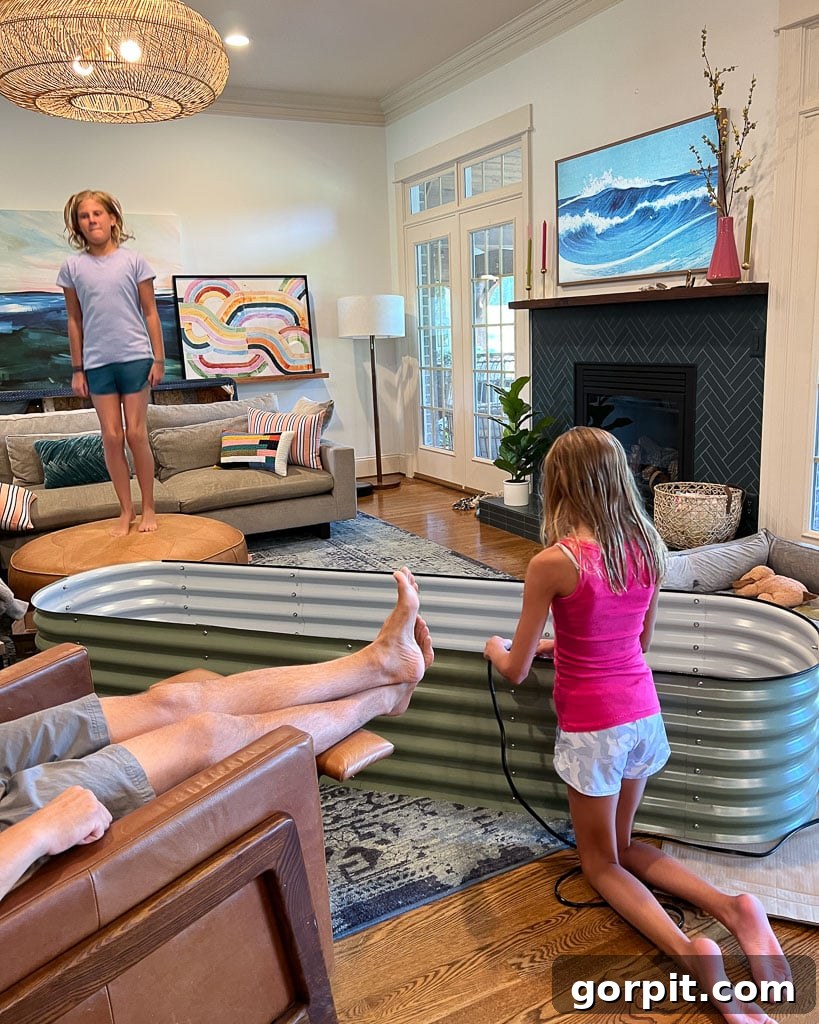
One of the most impressive features of Vego Garden Beds is their astonishing ease of assembly. When our Vego beds arrived, we were deep in the midst of an extensive yard renovation project, which included installing new irrigation zones, tilling, and reconfiguring existing garden beds. We were, to put it mildly, utterly exhausted. The thought of adding complex construction to our list was daunting. However, the Vego beds proved so straightforward to put together that our children were able to largely assemble them with minimal adult supervision. We even chose to assemble them indoors to escape the sweltering heat outside. Their lightweight nature post-assembly meant moving them to their final outdoor locations was incredibly easy, requiring no heavy lifting or specialized equipment. This user-friendly design makes Vego beds accessible for anyone, regardless of their DIY experience.
Optimal Placement for Vego Garden Beds
The versatility of Vego Garden Beds extends to their placement. These robust beds can be installed on virtually any stable surface, including grass, bare soil, concrete, pavers, or even tiles. However, for optimal drainage and to encourage beneficial soil organisms, Vego generally recommends placing the beds directly on top of grass or soil. Regardless of the chosen surface, it is crucial that the ground beneath the beds is reasonably level to ensure stability and proper water distribution. In our case, positioning them within existing garden beds required some initial digging and grading to achieve the necessary flatness. While our beds ended up with a slight, almost imperceptible slope, this has had absolutely no adverse effect on plant growth or the bed’s structural integrity, proving their adaptability even on slightly imperfect terrain.
Cost-Effective and Sustainable Filling of Vego Beds
When we first considered Vego beds, the thought of purchasing enough high-quality soil to fill them felt financially daunting. However, we quickly learned that completely filling them with bagged soil is neither necessary nor recommended. Instead, we embraced the ingenious Hugelkultur method for all three of our Vego garden beds. This technique proved to be a game-changer, saving us a substantial amount of money while simultaneously fostering an incredibly healthy growing environment. Over the past year, everything planted in our Hugelkultur-filled beds has flourished remarkably.
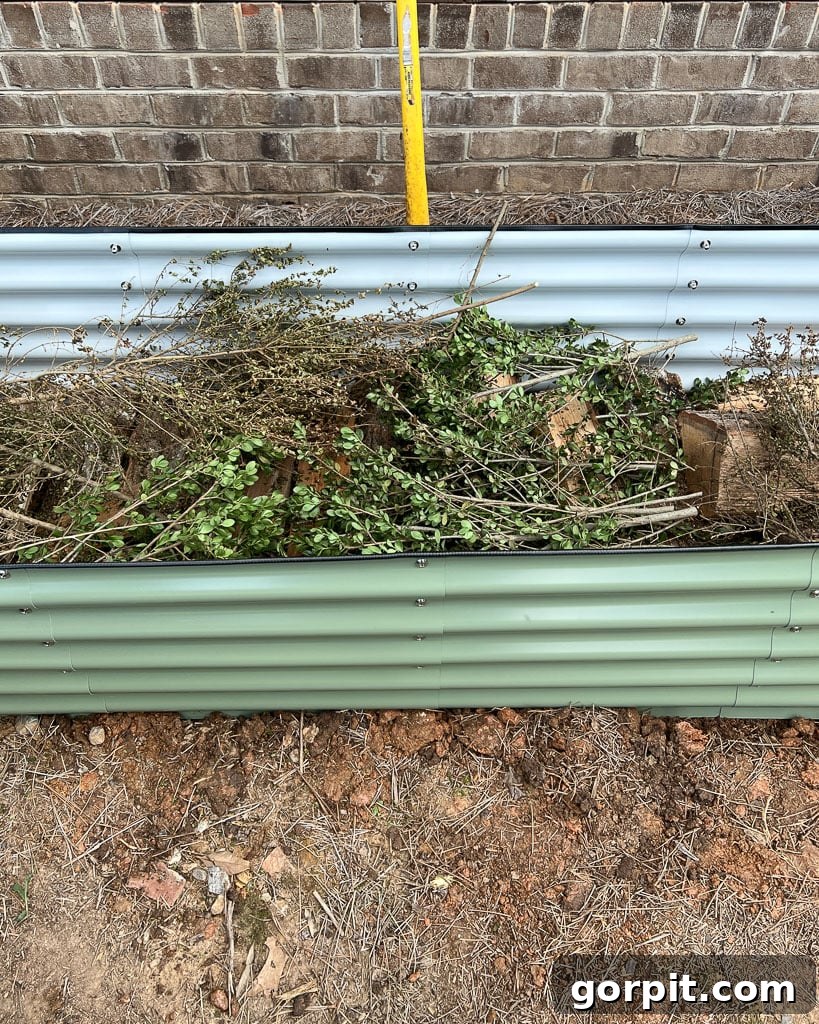
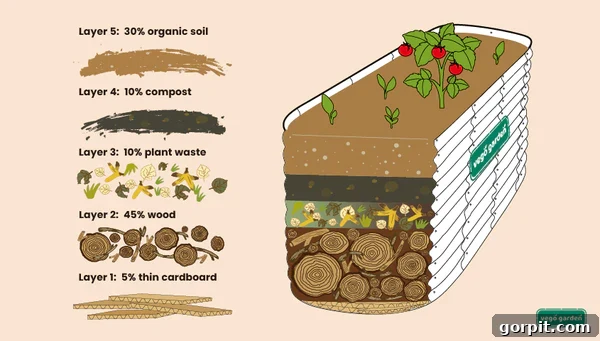
Hugelkultur, a German term meaning “hill culture,” is an ancient and sustainable practice of building raised garden beds with a base of decaying wood and other organic materials. This method involves layering various forms of organic garden waste – such as logs, branches, twigs, leaves, grass clippings, wood chips, coffee grounds, and finished compost – at the bottom of your raised bed before topping it with soil. Beyond its significant cost-saving benefits by reducing the amount of purchased soil needed, Hugelkultur offers numerous advantages. The decaying wood slowly releases nutrients over time, naturally fertilizing your plants. Critically, these layers act like a sponge, retaining moisture for longer periods, which reduces the need for frequent watering, especially during dry spells. The decomposition also generates a gentle warmth, beneficial for root development. Below, you can see a helpful diagram illustrating the layering process.
Enhancing Your Vego Garden with Accessories
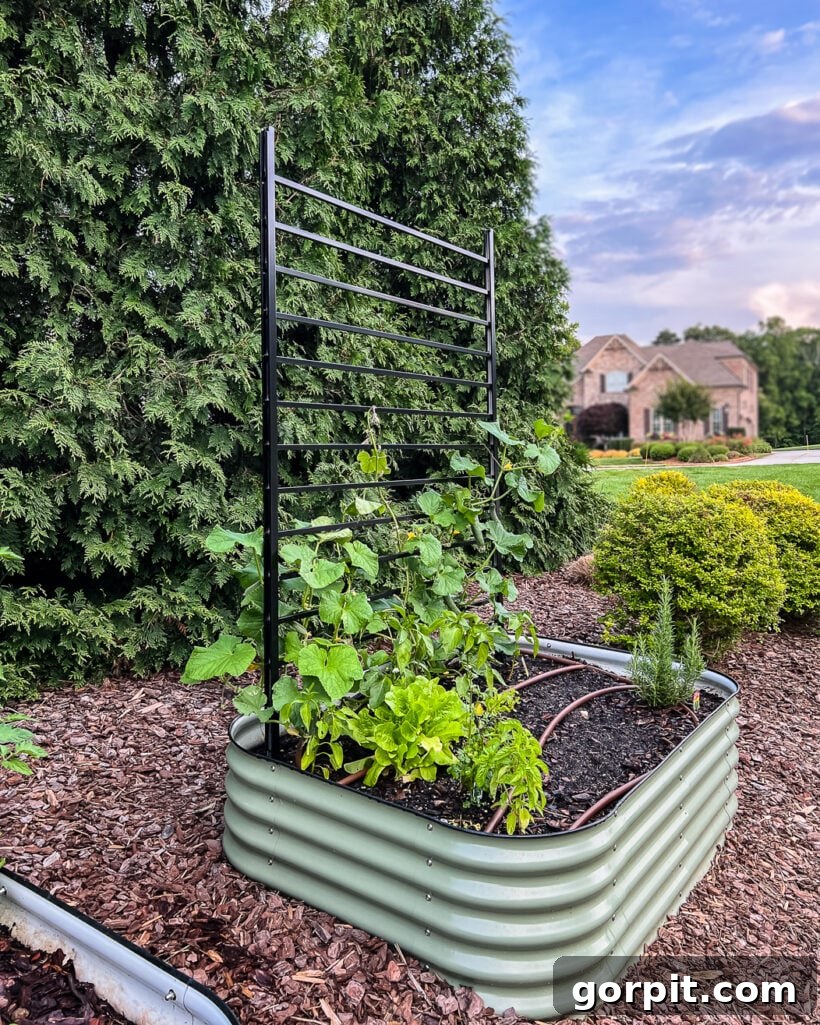
To further optimize and customize your Vego garden experience, a range of thoughtfully designed “add-ons” is available. Among the most sought-after accessories are trellises, essential for supporting climbing plants like cucumbers, tomatoes, peas, and beans. Vego offers both elegant arched trellises, designed to span between two adjacent planting beds, and more traditional flat trellises that attach directly to a single bed, providing robust support for vertical growth.
For those interested in natural fertilization and soil enrichment, Vego also provides integrated worm composters. These innovative systems harness the power of composting worms to efficiently break down organic kitchen and garden waste, producing a rich, nutrient-dense fertilizer known as vermicompost, which significantly boosts plant health and soil vitality. Additionally, Vego offers protective covers, invaluable for shielding your plants from common garden pests, unpredictable harsh weather conditions, and extreme temperatures, thereby extending your growing season.
However, a crucial piece of advice regarding Vego accessories: strategic planning is key. Adding these “add-ons” after your beds have been filled and planted can be surprisingly challenging. For instance, installing a trellis or cover typically requires bolting components directly into the walls of the beds. Once full of soil and actively growing plants, this process becomes significantly more cumbersome and disruptive. We experienced this firsthand when considering trellises for our vegetable beds. The Vego trellises, while high-quality, are also on the pricier side, and given our already planted beds, the installation logistics seemed incredibly difficult.
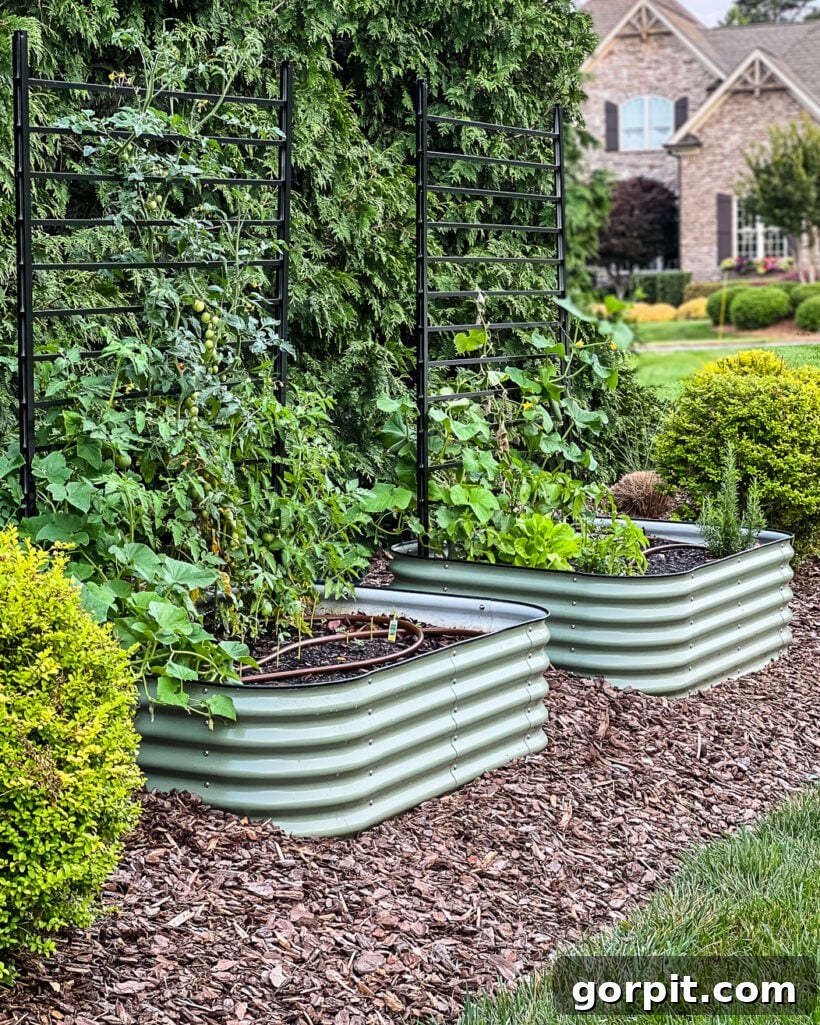
Ultimately, we opted for a DIY approach, crafting our own modern trellises using metal fence panels. This turned out to be a fantastic decision; not only do I prefer their aesthetic, but they were also much easier to install post-planting and represented a more budget-friendly solution.
On the other hand, I genuinely regret not investing in the worm composters from the very beginning. We might attempt to integrate them during an upcoming planting season, but given that a substantial portion of our beds is already filled using the Hugelkultur method, I’m concerned about finding sufficient space for them now. This underscores the importance of upfront planning: while Vego accessories are, like the beds themselves, remarkably durable and high-quality, their installation is best done during the initial assembly phase before filling and planting. Keep this in mind when you’re designing your Vego garden to ensure a seamless and satisfying setup.
The Comprehensive Pros and Cons of Vego Garden Beds
To provide a balanced perspective, here’s a concise summary of the key advantages and potential drawbacks of Vego Garden Beds, drawing from our extended experience:
Pros: The Unrivaled Strengths of Vego Beds
- Exceptional Durability and Longevity: Vego garden beds are built to last, engineered with materials far superior to conventional options.
- They are highly resistant to rust and various weather conditions, designed to withstand the elements year after year.
- The Aluzinc coating provides unparalleled protection, being 7 times more resistant to corrosion and rust than standard galvanized steel, and an astonishing 3-7 times more resistant than regular galvanized steel.
- The surface hardness of Aluzinc is twice that of regular galvanized steel and over 5 times harder than wood or plastic, making it incredibly resilient to wear and tear.
- These raised beds are robust enough to retain their structural integrity and hold soil effectively for decades without deforming, offering an enduring foundation for your garden.
- Unmatched Customization and Versatility: Vego beds feature a modular design that allows for a vast array of configurations. Their interchangeable panels enable you to create almost any shape or size, perfectly adapting to unique garden spaces or evolving needs.
- Low Maintenance and Cost-Efficiency Over Time: Unlike wooden beds that require regular repair, staining, or eventual replacement due to rot, Vego beds are virtually maintenance-free. Their inherent durability eliminates the need for annual upkeep or costly replacements, saving both time and money in the long run.
- Enhanced Accessibility for All Gardeners: Available in a range of heights, Vego beds significantly improve accessibility. Their elevated design reduces the strain of bending and kneeling, making gardening more comfortable and enjoyable for individuals with mobility challenges, seniors, or those who simply prefer a more ergonomic gardening experience.
- Optimal Soil Health and Temperature Regulation: The galvanized steel with Aluzinc coating helps maintain a more stable soil temperature compared to other materials. This prevents extreme heat fluctuations, fostering a healthier root environment and robust plant growth.
- Aesthetically Pleasing Design: Beyond their functional benefits, Vego beds boast a clean, modern aesthetic that enhances the visual appeal of any garden. Their sleek lines and durable finish contribute to a polished and inviting outdoor space.
Cons: Points to Consider
- Higher Initial Investment: Compared to basic in-ground planting or constructing simple wooden beds, Vego garden beds represent a more significant upfront cost. This investment is justified by their longevity and superior performance, but it’s a factor to budget for.
- Potential for Increased Watering Needs: Due to their elevated position and exposure to air on all sides, raised beds can dry out more quickly than traditional in-ground gardens, especially in hot or arid climates. This may necessitate more frequent watering and diligent moisture management, though methods like Hugelkultur can help mitigate this.
- Challenges with Post-Setup Accessory Integration: Attaching certain accessories, such as trellises, covers, or worm composters, becomes considerably more difficult once the beds are filled with soil and plants. Planning for these additions during the initial assembly phase is highly recommended to avoid complications and ensure proper installation.
Frequently Asked Questions About Vego Garden Beds
I conducted a thorough inspection of all our Vego beds before updating this post on May 6, 2025. I am absolutely thrilled to report that they look exactly as they did when we purchased and installed them in 2022. There is no sign of rusting, fading, or chipping of any kind. We reside in North Carolina, where we experience relatively mild weather compared to many other regions. While I cannot definitively comment on their performance in harsher climates with extreme conditions, my strong belief, based on their current state, is that they would withstand such environments with similar resilience. Their Aluzinc coating truly seems to live up to its reputation for exceptional durability.
This was a significant concern for me initially, especially since our beds receive ample sun exposure and North Carolina summers can be quite intense, coinciding with our peak vegetable harvesting time. I am delighted to confirm that I have never once touched or accidentally brushed against them and found them to be uncomfortably hot. The galvanized steel with its special coating seems to dissipate heat effectively, ensuring the surface remains safe to touch even on the warmest days. More importantly, as mentioned earlier, this also contributes to maintaining an optimal and stable soil temperature for the plants.
We strategically selected a combination of sizes to suit our gardening goals. For our primary vegetable garden, where we integrated our DIY metal trellises, we chose two of the 17″ Tall 6-in-1 beds. These versatile beds offer excellent depth for root vegetables and ample space for a variety of crops. Additionally, we acquired one 17″ Tall 9-in-1 bed, which we dedicated to growing beautiful cutting flowers. You can spot this particular bed in the photos depicting our daughters happily assembling it, as well as in the diagram illustrating the Hugelkultur method we employed to fill our beds efficiently.
Yes, Vego Garden typically offers a generous warranty on their raised beds, reflecting their confidence in the product’s durability and quality. While specific terms can vary, they often come with a 20-year limited warranty, covering against manufacturing defects and structural issues like corrosion. It’s always best to check their official website for the most current and detailed warranty information, as policies can be updated over time.
Assembly is genuinely straightforward and designed for minimal hassle. You typically won’t need any specialized tools beyond what Vego provides (often a wrench for the nuts and bolts). The panels are pre-drilled, and the instructions are clear, often including visual guides. The process primarily involves bolting the panels together. The lightweight nature of the individual components also aids in making assembly a one or two-person job that can be completed fairly quickly, even by beginners or with the help of enthusiastic children, as was our experience.
The Definitive Bottom Line: Why Vego Garden Beds Stand Out
In conclusion, if you are currently contemplating the addition of raised garden beds to your yard, I wholeheartedly recommend Vego Garden Beds. While they represent an investment, their unparalleled durability, extensive customization options, and exceptional longevity make them a truly worthwhile purchase. From our nearly three years of experience, these beds have proven to be a smart, long-term solution that will undoubtedly save us significant time and money by eliminating the recurring need to rebuild traditional wooden beds as they inevitably succumb to rot and decay. Beyond their functional superiority, their elegant design adds a sophisticated touch to our outdoor space, a detail I consistently appreciate. Vego Garden Beds aren’t just a place to grow plants; they are a foundation for a beautiful, thriving, and sustainable garden for years to come.
More OUTDOOR IDEAS
SEE ALL outdoor POSTS
-
Fire Pit Ideas for Every Outdoor Space
-
How to Make a DIY Outdoor Chandelier
-
Modern DIY Garden Trellis
-
DIY Outdoor Electrical Box Cover
-
DIY Diamond Wire Trellis for a Vine
-
A Complete Review of Vego Garden Beds: Pros, Cons, and Everything In-between
Curious about my approach to transforming living spaces and entire rooms in our home? Explore the acclaimed Designer in a Binder®, my signature guide to affordable and effective home decorating.
For exclusive content, behind-the-scenes glimpses, and early access to new projects, make sure to subscribe before you go!