The Ultimate Guide to Rug Pads: Why You Need One & How to Choose the Best
Stepping onto a plush area rug can instantly transform a room, adding warmth, style, and comfort. But have you ever stopped to consider what lies beneath that beautiful textile? The often-overlooked hero of any well-dressed floor is the rug pad. Far from being an optional accessory, a quality rug pad is an essential investment for anyone looking to protect their floors, extend the life of their rugs, and enhance the overall safety and comfort of their living space. In this comprehensive guide, we’ll dive deep into why rug pads are non-negotiable, explore the various types available, and help you select the perfect pad for your specific flooring and rug needs. Get ready to discover everything you need to know to make an informed decision and ensure your rugs stay beautiful and secure for years to come.
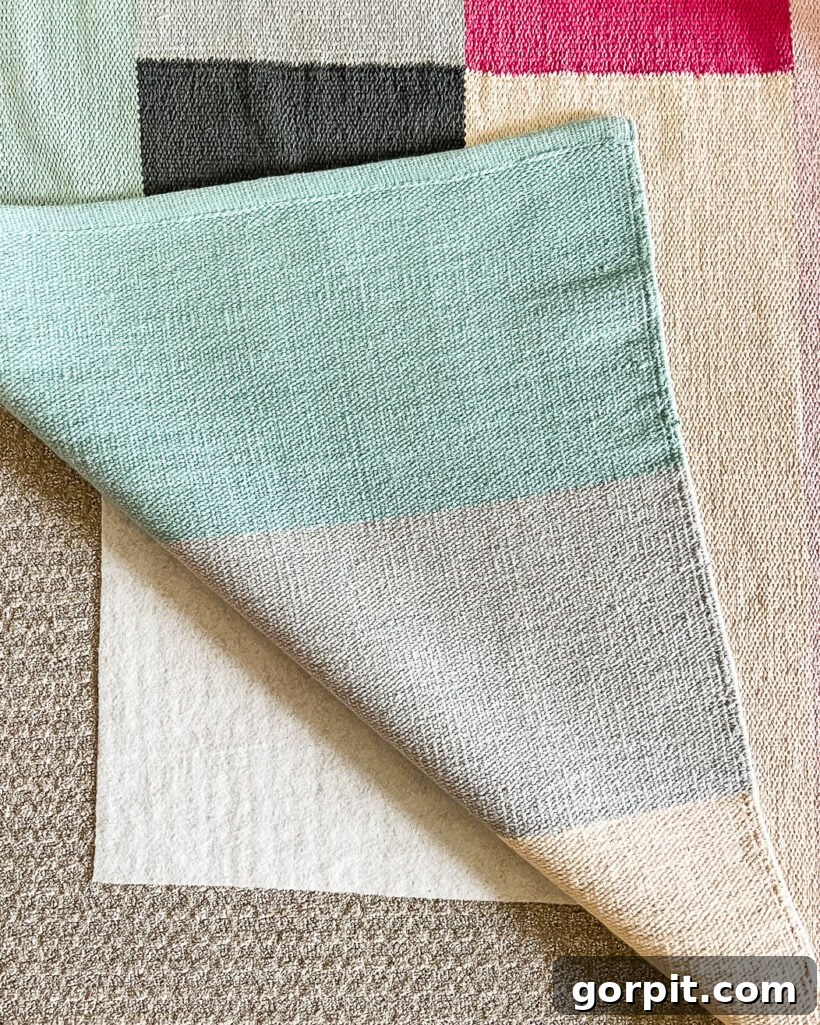
Table of Contents
What is a Rug Pad?
At its core, a rug pad is a protective layer strategically placed between your area rug and the underlying floor surface. But its function extends far beyond mere separation. Think of it as an essential foundation, designed to prevent the constant friction that occurs when a rug moves directly against your flooring. This friction, over time, can lead to irreversible wear and tear on both your valuable floor and the rug itself. A well-chosen rug pad acts as a crucial barrier, absorbing impact and preventing abrasive contact. Beyond protection, the right rug pad is engineered to keep your area rug securely in place, eliminating frustrating issues like shifting, bunching, or dangerous sliding. These indispensable accessories come in a diverse range of materials, thicknesses, and grip styles, each offering unique benefits. While some provide superior performance and long-term value, others may prove ineffective or simply not worth the investment. Understanding these distinctions is key to selecting a pad that truly meets your specific needs and enhances your home environment, contributing to both its aesthetic and functional integrity.
Why You Absolutely Need a Rug Pad
Investing in a high-quality rug pad might seem like an extra step or expense, but the myriad benefits it provides make it an undeniably smart decision for any homeowner. Here’s a closer look at why a rug pad is truly essential:
- Unrivaled Floor Protection: One of the primary functions of a rug pad is to safeguard your existing flooring. Without a pad, the constant movement and abrasive texture of a rug’s backing can gradually scratch, scuff, or dull the finish of hardwood, laminate, vinyl, and tile floors. Over years of foot traffic, this friction can cause significant damage, leading to costly repairs or premature wear. A rug pad creates a protective barrier, effectively cushioning the impact and preventing direct contact that could mar your beautiful floors.
- Enhanced Rug Longevity: Just as it protects your floors, a rug pad also extends the lifespan of your area rug. The constant compression and friction from walking on a rug without a pad can cause its fibers to break down faster. A rug pad minimizes this stress by distributing weight evenly and reducing abrasive wear on the rug’s backing. It helps maintain the rug’s structural integrity, keeping it looking fresh and vibrant for much longer, saving you money on early replacements.
- Superior Safety and Stability: Perhaps the most compelling reason to use a rug pad is for safety. A rug that constantly slips, slides, or bunches poses a significant tripping hazard, especially in busy households with children, pets, or elderly residents. A good rug pad provides crucial grip, anchoring your rug firmly to the floor and preventing dangerous movement. This is particularly vital in high-traffic areas, hallways, and on slippery surfaces like polished hardwood or slick tile.
- Elevated Comfort and Cushioning: Experience a noticeable difference in comfort with a rug pad underneath. It adds an extra layer of plushness and cushioning, making even thin or flatweave rugs feel softer and more luxurious underfoot. This added padding absorbs impact, reducing fatigue when standing for extended periods and enhancing the overall tactile experience of your living space. It transforms a simple rug into a comfortable, inviting surface.
- Effective Sound Dampening: In homes with hard surfaces, sound can echo and bounce, creating a noisy environment. A rug pad acts as an effective sound absorber, muffling footsteps, reducing ambient noise, and contributing to a quieter, more serene atmosphere. This is particularly beneficial in multi-story homes or open-concept layouts, where sound travels easily.
- Improved Insulation: While not its primary purpose, a thicker rug pad can also offer a subtle layer of thermal insulation. This can help to keep your floors slightly warmer in colder months and contributes to energy efficiency, however minimal, especially over cold subfloors.
Considering these extensive benefits, it’s clear that a rug pad isn’t just an accessory—it’s an integral part of maintaining your home’s aesthetic, safety, and longevity.
Choosing the Right Rug Pad for Your Flooring
The quest for the perfect rug pad isn’t one-size-fits-all. The ideal choice hinges significantly on the type of flooring underneath your area rug. Different floor surfaces have unique requirements, and selecting the wrong rug pad can lead to frustration, damage, or simply a lack of effective performance. Understanding these nuances will ensure you select a pad that performs optimally and preserves both your rug and your floors.
This post contains affiliate links for your convenience. Click here for my full disclosure policy.
Rug Pads for Area Rugs on Hardwood and Hard Surfaces
When it comes to safeguarding delicate hardwood, laminate, tile, or other hard flooring surfaces, selecting the right rug pad is paramount. Your primary concerns should be breathability, non-staining properties, and superior grip that won’t damage the finish. Always prioritize pads made from natural rubber or a felt-and-rubber combination. It is crucial to avoid pads made with PVC (polyvinyl chloride), plasticizers, or adhesive backings, as these materials can chemically react with your floor’s finish, leading to a sticky residue, discoloration, or even permanent damage over time. Look for pads specifically labeled as safe for hard floors, often indicating a natural rubber composition to ensure proper air circulation and prevent moisture buildup that could foster mold or mildew. A good quality pad will not only secure your rug but also protect your investment in your beautiful hard floors.
WINNER: Mohawk Home Rug Pad (for Hard Floors)
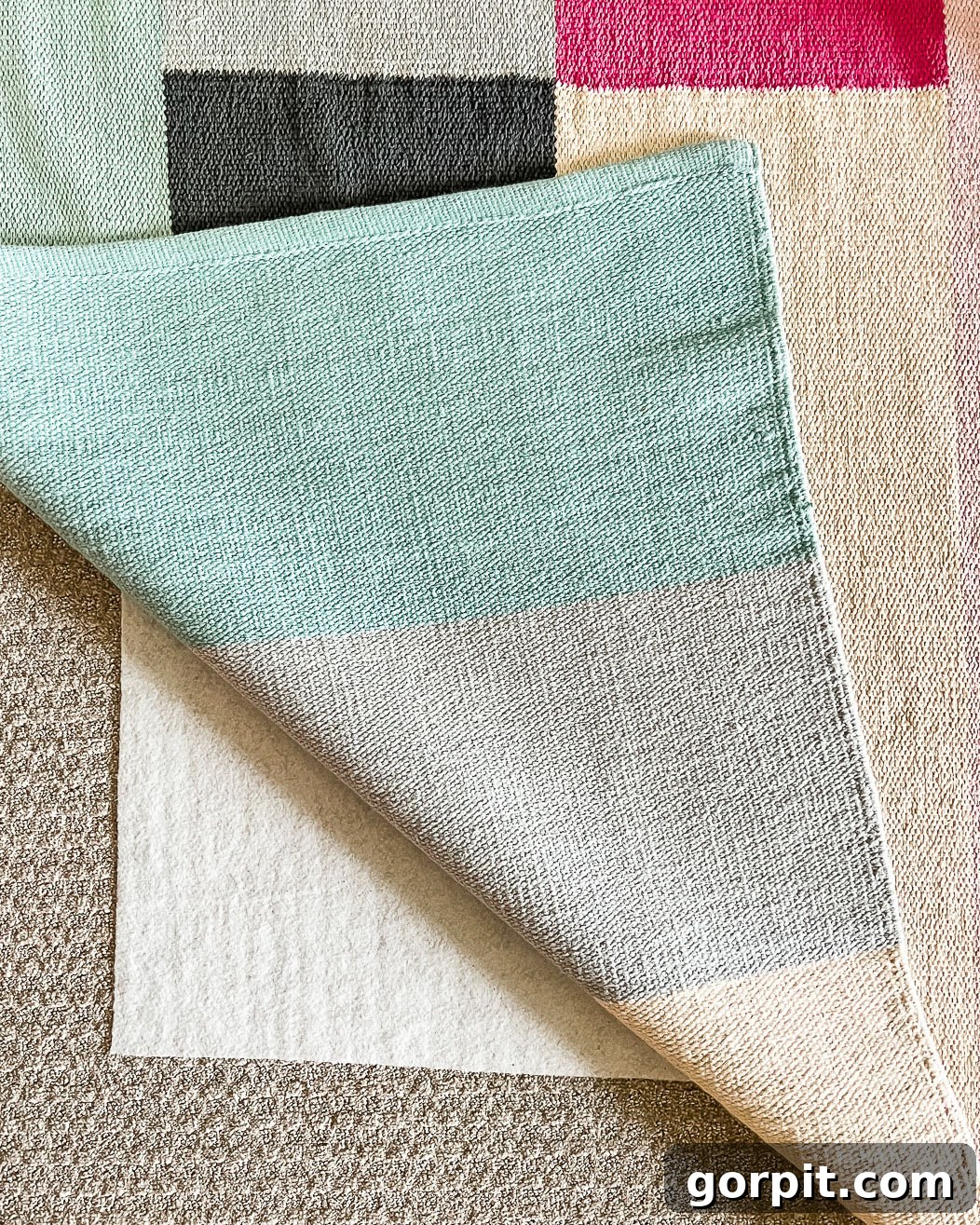
For area rugs resting on hardwood, tile, or laminate floors, my top recommendation consistently goes to the Mohawk Home rug pad. This particular pad stands out due to its dual-sided design and high-quality construction, typically a combination of natural rubber and felt. When placing it on hard surfaces, ensure the rubberized, gripping side faces down towards your floor, providing excellent non-slip protection that won’t mar your finish. The dense felt top offers a soft, supportive layer for your rug. It’s available in a wide array of standard sizes, but one of its most practical features is its ease of customization: it can be effortlessly trimmed with household scissors to achieve a perfect, custom fit for any rug shape or size, eliminating excess bulk. Beyond its primary function of preventing slips and protecting floors, this pad also delivers a substantial amount of cushioning, making your rugs feel more luxurious and comfortable underfoot. Additionally, its robust construction provides a noticeable layer of insulation, contributing to a warmer feel and better sound absorption in your living space. This versatility and proven performance make it an exceptional choice for hard surface applications.
LOSER: Avoid Honeycomb Rubber Pads
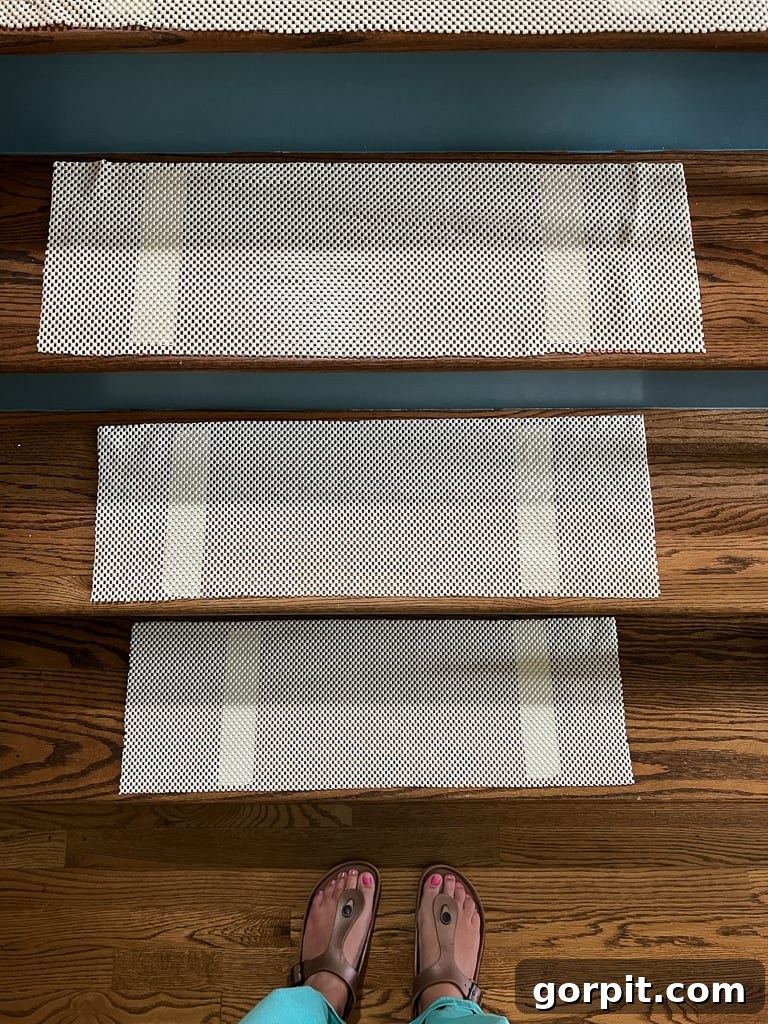
While often an affordable and seemingly convenient option, I strongly advise against using cheap “honeycomb” style rubber pads under most area rugs, especially on hard floors. Despite their initial grip, these pads tend to be flimsy and notoriously prone to bunching up and shifting, particularly in areas with frequent foot traffic, or homes with active children and pets. They offer minimal cushioning, providing little added comfort, and can actually contribute to uneven wear on your rug by concentrating stress points. The open, waffle-like design provides insufficient overall support and can, over time, leave unsightly grid marks or a sticky residue on your floor if made from low-quality materials that off-gas plasticizers. The only specific scenario where I’ve found a honeycomb-style pad acceptable is for very specific, non-moving applications, such as under a DIY stair runner installation. In this unique case, we used it because the stair runner itself was stapled securely into place, effectively preventing any movement of the pad. We also reinforced it with double-sided rug tape to ensure each piece remained perfectly flat. However, for standalone area rugs that experience any degree of movement, these pads simply do not provide the stability, protection, or longevity required.
Rug Pads for Area Rugs on Carpet
Placing an area rug on top of existing carpet is a fantastic way to define spaces, add visual interest, and introduce layers of texture and color into a room. While some people might think a rug pad is unnecessary on carpet, believing the carpet itself provides enough grip, this is a common misconception. You absolutely DO need a rug pad for rugs over carpet, and the type you choose is crucial for preventing wrinkles, annoying bunching, and persistent shifting. I’ve personally experimented with numerous options over the years, and I can confidently say that not all rug pads are created equal for this specific application. The best choice will ultimately depend on the thickness and style of your area rug, as well as the pile height of your existing carpet.
WINNER for Thin Area Rugs on Carpet: Gorilla Grip Rug Pad
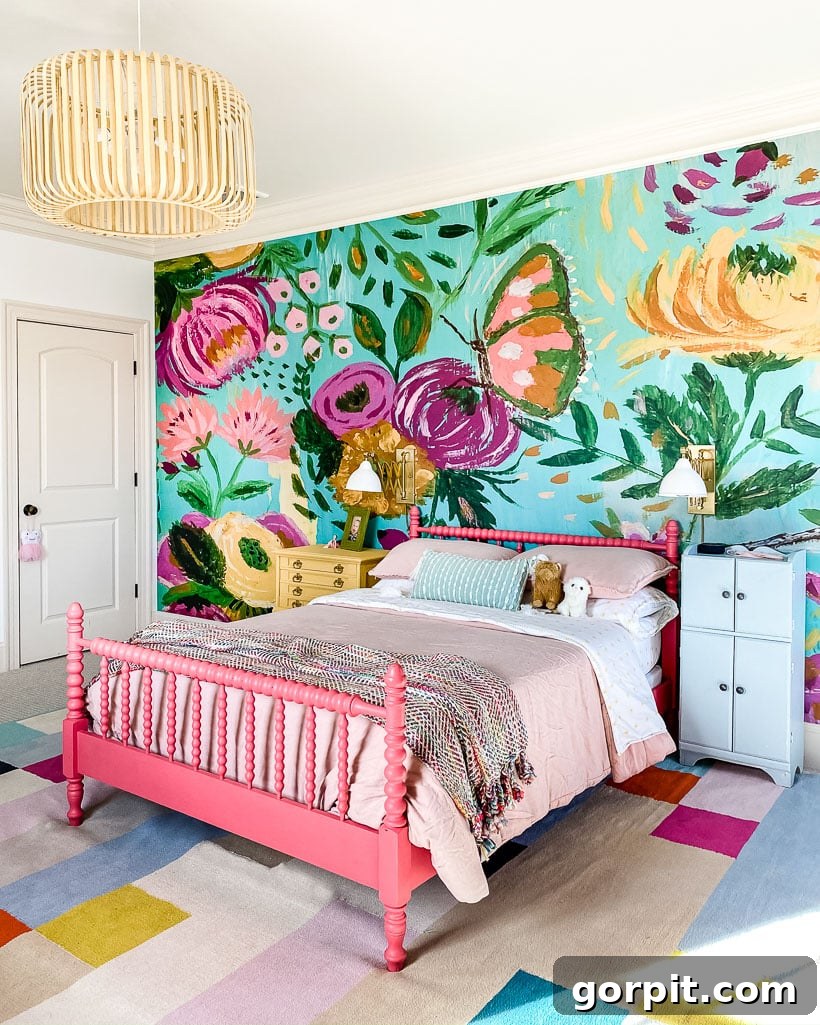
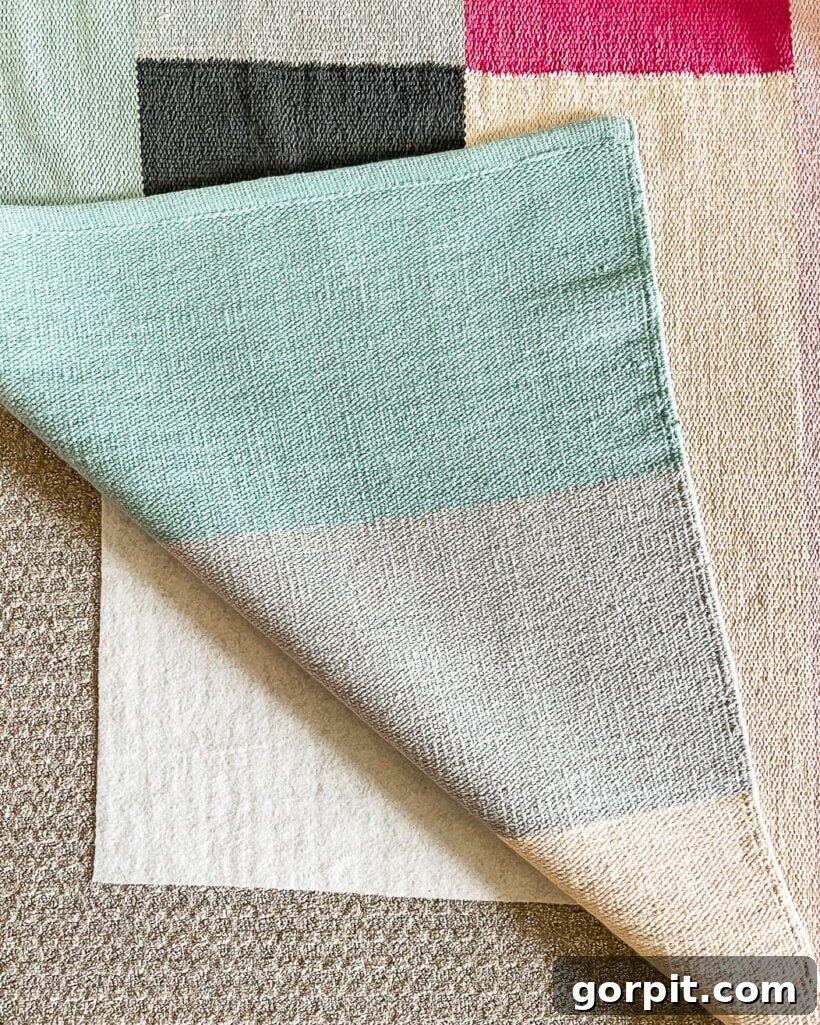
Thin, woven, or flatweave area rugs present a particular challenge when placed over carpet. Their lightweight nature, coupled with the soft, yielding surface of the carpet underneath, makes them highly susceptible to wrinkling, bubbling, and constant shifting. This can be both unsightly, detracting from your room’s design, and a significant tripping hazard. I learned this the hard way when I first laid a colorful thin cotton area rug over the carpet in my daughter Attley’s room. Despite using a rug pad that was advertised as suitable for carpeted floors, it consistently failed to keep the rug flat, leading to endless frustration and constant readjustments. The issue wasn’t a complete lack of grip, but rather the pad’s inability to counteract the thin rug’s inherent tendency to wrinkle and gather against the soft carpet pile with every step.
After extensive research and trial-and-error, I discovered and highly recommend this Gorilla Grip rug pad. What makes it a standout winner for thin rugs on carpet is its unique, ultra-thin profile combined with a slight, non-transferable tackiness. Importantly, this tackiness is not an adhesive, so it will not leave any sticky residue or damage your carpet fibers upon removal. Instead, it provides just enough gentle friction against both the area rug and the carpet underneath to prevent that annoying wrinkling and bunching. It effectively “grips” the rug without sticking, keeping it smoothly stretched and flat across the carpet, even in areas with active movement. This pad is a game-changer for maintaining the pristine appearance and safety of thin rugs in carpeted rooms, offering a discreet yet powerful solution to a common problem.
WINNER For Plush Area Rugs on Carpet: Mohawk Home Rug Pad
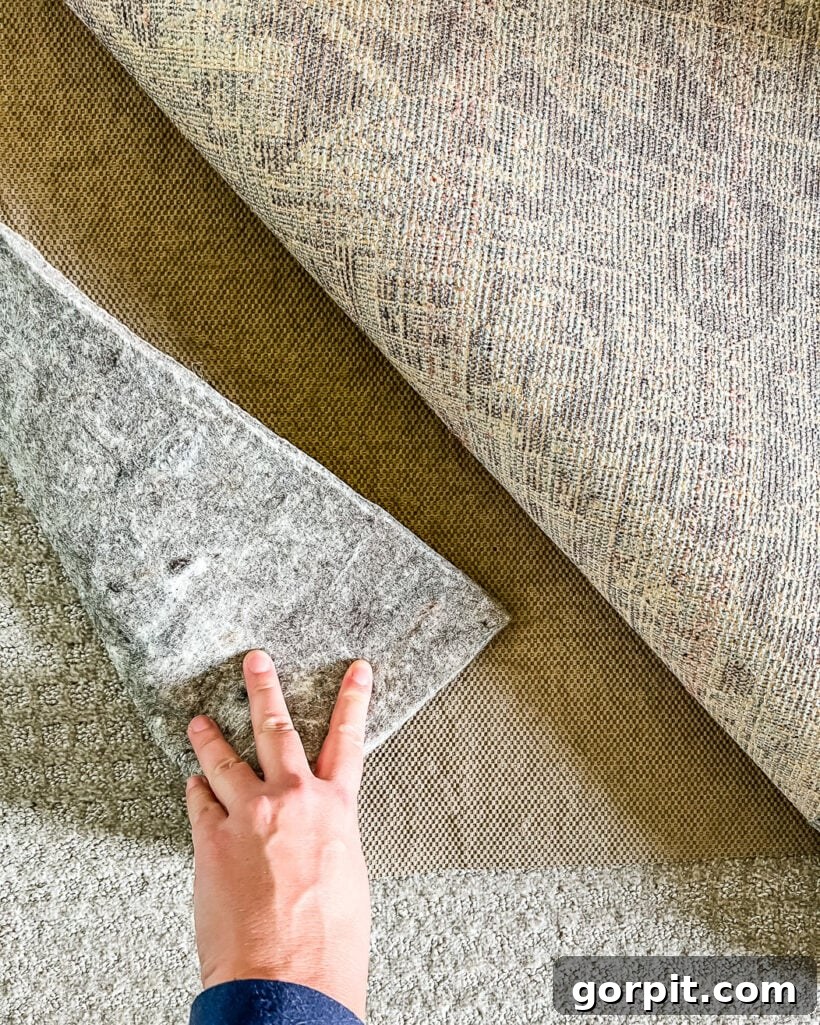
When it comes to placing plush, heavier area rugs over carpet, the primary challenge of wrinkling is often less pronounced due to the rug’s inherent weight and denser construction. However, a rug pad is still absolutely essential for providing extra stability, preventing subtle shifts or “walking” across the room, and enhancing comfort. For these types of rugs on carpet, I enthusiastically recommend the same versatile Mohawk Home rug pad that I use for hard floors. Its dual-surface design, combining dense felt and natural rubber, makes it incredibly adaptable for various flooring conditions.
The key to using this pad effectively on carpet is its specific orientation: ensure the felt side faces down against your existing carpet, allowing its fibrous texture to gently grip the carpet pile and prevent lateral movement. The rubberized, slightly grippier side should face up, making direct contact with the underside of your plush area rug. This configuration provides a wonderful combination of increased stability, preventing the plush rug from migrating across the room, and an impressive boost in luxurious cushioning. The added thickness from the Mohawk Home pad enhances the already soft feel of your plush rug, creating an even more inviting and comfortable zone. It also contributes significantly to better sound absorption, making the room feel quieter and more serene, a notable benefit especially in larger spaces.
Clever Alternatives to Rug Pads for Securing Your Rugs
While a quality rug pad is almost always the ideal solution for protecting your floors and keeping rugs in place, there might be situations where you’re looking for an alternative. Perhaps you’re dealing with a particularly stubborn rug that still shifts, an unusual flooring type, or simply want to explore other options to prevent shifting, bunching, and curling corners. Here are a couple of ingenious methods to keep your area rugs stable without a traditional full-sized rug pad, or even to supplement one for extra security in challenging areas:
Utilize Rug Anchors or Double-Sided Carpet Tape
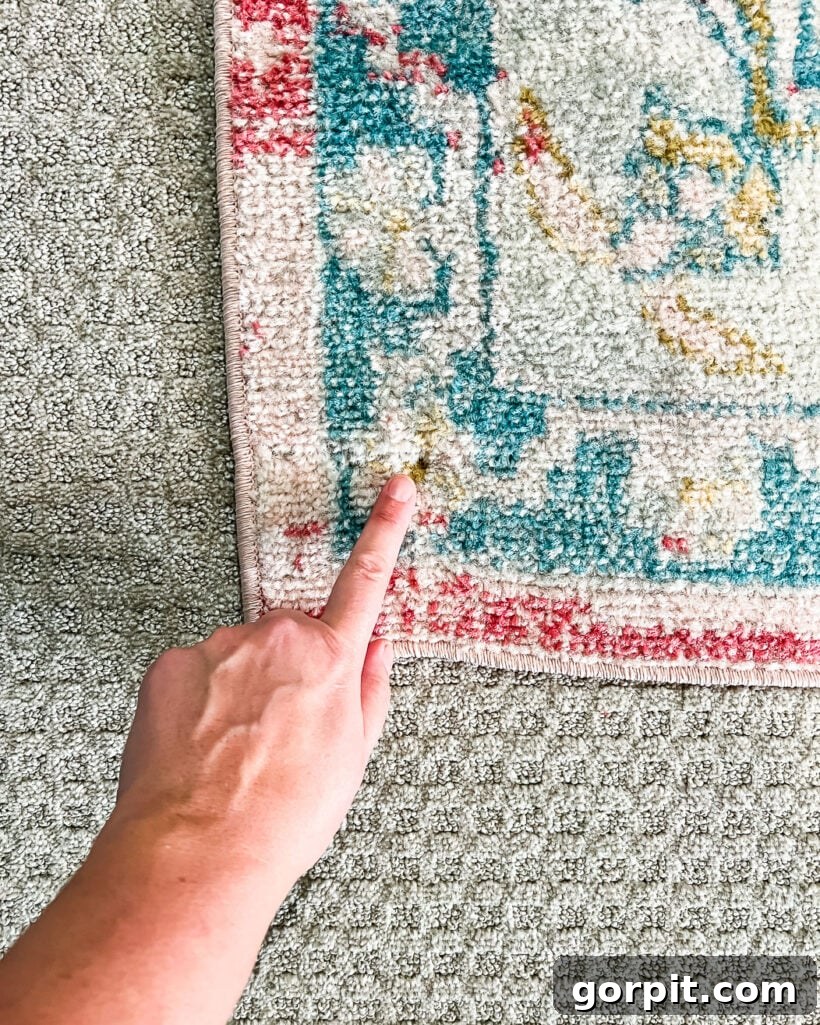
Even with the most effective rug pad, certain area rugs, especially those in extremely high-traffic zones or made from very lightweight materials, might still exhibit a tendency to shift or have corners that stubbornly curl up. In such instances, or if you prefer to forgo a full rug pad altogether (though not recommended for long-term floor protection), specialized rug anchors or double-sided carpet tape can be incredibly useful. These tools offer targeted solutions for common rug problems, providing localized grip and flattening power.
- Rug Anchors: Products like these rug anchors are typically designed as small, triangular, or rectangular pads that attach to the underside of your rug’s corners. They feature a reusable, slightly tacky surface on one side that grips the rug, and a non-damaging adhesive on the other that adheres firmly to the floor. They are particularly effective at flattening stubborn curling corners, eliminating trip hazards, and keeping the entire rug from creeping across the room. Many are washable and reusable, making them a sustainable and cost-effective solution for persistent corner issues without covering the entire rug surface.
- Double-Sided Carpet Tape: For a more robust, semi-permanent hold, high-quality double-sided carpet tape from reputable brands on Amazon can be an excellent choice. This strong adhesive tape is applied directly to the underside edges or corners of your rug and then pressed firmly onto the floor. It creates a powerful adhesive bond, securing the rug firmly in place, often without any shifting. While more permanent than anchors, good quality tape is designed to be removed without damaging your floors when it’s time to replace or reposition the rug, although care should always be taken during removal. I’ve found both these methods invaluable over the years, sometimes even employing them in conjunction with a rug pad to keep notoriously curled rug corners flat, ensuring a completely stable and safe rug setup.
Secure Rug Corners into the Subfloor for Ultimate Stability
For a truly permanent and unyielding solution, especially for thin rugs in extremely high-traffic areas where even the slightest shifting is absolutely intolerable, consider a more unconventional approach: physically securing the rug corners into the subfloor. This method is what we opted for in our upstairs hallway, where a thin rug in a constant thoroughfare needed maximum stability without the bulk of a rug pad. The process involves carefully driving a small, discrete screw through each corner of your area rug, through the underlying carpet (if applicable), and directly into the subfloor beneath.
While this might sound drastic or “weird,” it is remarkably effective at completely eliminating any movement, providing unmatched stability. Since the rug in our hallway was an affordable piece, the idea of creating small, almost invisible holes in its corners was a perfectly acceptable trade-off for unparalleled stability. You can barely discern the screw heads once they are properly seated and blend into the rug pile, especially if you choose screws with low-profile heads. I personally haven’t encountered any issues with damage to the carpet underneath, but it’s important to acknowledge that this is a permanent modification to both the rug and potentially the subfloor. This method is best reserved for rugs you plan to keep in place for a long time and where the highest degree of security is prioritized over the rug’s reusability in another location. It’s an innovative, albeit assertive, way to solve the most stubborn rug-slipping problems, particularly beneficial for budget-friendly rugs that won’t see frequent replacement.
Ultimately, investing in a quality rug pad is a decision that pays dividends in comfort, safety, and longevity for both your cherished rugs and your home’s flooring. From preventing hazardous slips to providing luxurious cushioning and dampening unwanted noise, the benefits are clear and extensive. While there are ingenious alternatives for those unique situations or to supplement a rug pad, a well-chosen rug pad remains the gold standard for maintaining the integrity and beauty of your interior spaces. Make an informed choice, and enjoy the peace of mind that comes with a perfectly placed, protected, and comfortable rug in every room.
More RUG Posts
SEE ALL rug POSTS
-
Designer Tips for Choosing Perfect Kitchen Rug Runners
-
How to Choose the Best Rug Size for Your Living Room
-
How to Install a Stair Runner: A Step-by-Step Tutorial
-
How to Keep Rug Corners Down – Tips and Tricks for Every Homeowner
-
The Best Places to Shop for Affordable Rugs
-
The Rug Pad Guide: What You Need to Know Before You Buy
Other shopping guides you may enjoy:
- Unique Coffee Table Ideas
- Our Unbiased West Elm Spencer Recliner Review (After 4 Years)
- Our Unbiased West Elm Harmony Sofa Review (After 4 Years of Using It)
- 25+ Entryway Benches with Storage
Wondering how I approach transforming rooms and spaces in our home? Check out Designer in a Binder®.
And if you want exclusive content and behind-the-scenes sneak peeks, be sure to subscribe before you head out!