Your Ultimate Guide to a Clutter-Free Home: Realistic Strategies for Lasting Organization
Are you constantly battling mountains of mail, searching for misplaced items, or simply overwhelmed by the sheer volume of “stuff” in your home? The dream of a calm, organized living space often feels out of reach, especially when juggling work, family responsibilities, and a demanding schedule. Many of us yearn to declutter our lives but find ourselves too busy and exhausted to even begin. You’re not alone if the thought of tackling your home’s mess feels like an impossible task.
This comprehensive guide is designed to empower you with a realistic, step-by-step approach to decluttering your home. Forget about sacrificing entire weekends or feeling defeated by overwhelming tasks. With this practical strategy, you can start making significant progress today, even if you only have 10 minutes to spare. Imagine reclaiming your space, reducing stress, and spending more quality time with your loved ones instead of chasing after clutter.
You have powerful reasons for desiring a more organized, less cluttered life. You envision a home that fosters peace, not chaos, for your family. You want to model calmness for your children, teaching them the value of intentional living. You wish to savor precious moments without the constant distraction of disarray. While achieving this can seem challenging, especially when time is a luxury, rest assured that a truly decluttered home is an achievable reality. Let’s delve into why decluttering is essential and how you can transform your living space, one realistic step at a time.
This guide is intentionally thorough, offering detailed advice and actionable strategies. To help you stay on track, consider subscribing to receive our exclusive decluttering checklist – a concise, one-page cheat sheet perfect for a quick reminder of these principles as you tackle any area of your home.
Before diving into specific techniques for decluttering your home, it’s crucial to establish a foundational understanding. Grasping the underlying reasons why decluttering is so vital will significantly enhance the effectiveness and sustainability of your efforts. Let’s explore the core concepts.
What is Clutter? A Modern Definition
While the dictionary defines clutter as “a collection of things lying about in an untidy mass,” a more impactful and personal definition is far more useful: clutter is anything you own that you don’t truly love or consistently use. This perspective shifts the focus from mere tidiness to intentional living. If an item doesn’t add genuine value, beauty, or utility to your life, it likely qualifies as clutter. Accumulating numerous items that fall into this category can become a significant burden, both physically and mentally. For those who find themselves holding onto many such items, exploring strategies to manage these tendencies can be incredibly beneficial.
What is Decluttering? More Than Just Tidying Up
Decluttering is the deliberate process of identifying and removing items that no longer serve a purpose or bring joy into your life. It’s not simply about tidying up a messy room; it’s about creating space – both physical and mental – for the things that truly matter. By consciously letting go of excess, you make room for intentional living, enhanced functionality, and a greater sense of peace within your home.
Why Clutter is a BIG Problem for Your Home and Mindset
The impact of clutter extends far beyond aesthetics, affecting your mental well-being, finances, and precious time. Understanding these profound consequences can serve as a powerful motivator to begin your decluttering journey.
Clutter is Ugly: The Aesthetic Toll
Let’s be blunt: clutter diminishes the beauty of any space. As advocates for interior design and DIY home projects, we’ve witnessed countless times how a cluttered environment can overshadow even the most thoughtful decor. Many people mistakenly try to implement a cohesive design plan or introduce beautiful new pieces into a room before addressing the underlying clutter. They attempt to decorate *around* their mess, spending time and money on new throw pillows or a colorful rug, hoping these additions will magically transform their space. Invariably, the clutter remains, dragging down the entire room’s aesthetic and preventing it from ever feeling truly inviting or beautiful. A truly stunning room starts with a clear canvas.
Clutter Affects Your Stress: A Hidden Mental Burden
It’s scientifically proven that clutter significantly increases stress levels. Research from UCLA’s Center of Everyday Lives and Families has shown a direct link between the stress hormone cortisol in women living in cluttered homes. Furthermore, a study by Princeton University’s Neuroscience Institute revealed that individuals in cluttered environments experience greater exhaustion. This isn’t just a feeling; it’s a measurable cognitive drain. Clutter demands more mental energy, making it harder to focus, process information, and complete everyday tasks efficiently. Living amidst disarray subtly but consistently saps your mental resources, contributing to feelings of overwhelm and fatigue.
Clutter Hurts Your Wallet: The Financial Cost of Disorganization
The financial ramifications of clutter are often overlooked. Piles of unopened mail can easily lead to missed bill payments and accumulating late fees – entirely avoidable expenses. A cluttered pantry where items are hidden from view or a closet so overflowing you can’t recall its contents almost guarantees duplicate purchases. Buying items you already own, simply because you can’t find or remember them, is a significant waste of money. Not only does this drain your finances, but it also exacerbates your clutter problem, creating a vicious cycle of spending and accumulation.
Clutter Wastes Your Time: The Hidden Time Tax
Disorganization and clutter are notorious time thieves. Consider the countless minutes, or even hours, you’ve spent searching for your keys, phone, a child’s school project, or a specific article of clothing. How often have you been late for an appointment or social gathering because you couldn’t locate something essential in your messy home? This constant searching not only causes frustration but also steals valuable time that could be spent on more meaningful activities. An organized home means less time wasted on unproductive tasks and more time for what truly matters.
Crucial Tips Before You Start Decluttering Your Home
Before you even pick up your first item, there are fundamental principles that will lay the groundwork for a successful and sustainable decluttering journey. Heed these critical insights to ensure your efforts yield lasting results.
Don’t Let Emotions Win the Decluttering Battle
The emotional connection we have to our belongings is perhaps the biggest hurdle in decluttering. We’ve all been there: “But this was a gift – I don’t want to seem ungrateful!” or “I paid so much for this; I can’t just throw it away!” or “This coat might fit me again someday!” These feelings are entirely normal, but to succeed in creating a clutter-free home, you must confront and conquer the emotional aspects of letting go. Take a moment before you begin to commit to a new mindset: you will not allow emotions to prevent you from parting with items that no longer serve you, bring you joy, or add value to your life. Releasing these items makes space for things you truly cherish and use.
Don’t Wait Until You “Have Time” – Embrace Small Bursts
Contrary to popular advice, waiting for a large, uninterrupted block of time to declutter is often a recipe for procrastination and failure. Decluttering isn’t a one-time project with a definitive end; it’s an ongoing process, a lifestyle choice. Instead of scheduling “Declutter the Entire House” for a mythical future date, just start. Set a timer for as little as 10 minutes. Your primary goal isn’t to finish a whole room, but to make undeniable progress. If you aim for “done,” you’ll likely never start. Embracing 10-minute bursts means you can tackle your entryway over several weeks, and that’s perfectly normal and highly effective. This consistent, small-scale effort builds momentum without feeling overwhelming. However, to maximize efficiency, focus on one area until it’s complete rather than jumping from room to room, which can dilute your progress and motivation.
Start With a Highly Visible Area: The Power of Immediate Impact
This genius tip, popularized by decluttering expert Dana K. White, emphasizes the psychological boost of immediate, visible results. It’s tempting to start with a hidden, overflowing drawer or the attic, but resisting this urge is key. As Dana advises, “Decluttering momentum is best achieved by following the Visibility Rule… Start decluttering in the most visible area. I recommend starting at your front door, or whichever door guests enter.” The logic is simple yet profound: seeing a tangible improvement in a high-traffic area provides powerful motivation to continue. When you see your efforts pay off in a space you interact with daily, it reinforces your commitment and makes the entire process feel more rewarding.
The Ground Rules for Effective Decluttering
Without clear rules for deciding what stays and what goes, you’re likely to lose the battle against accumulating items. These are the fundamental principles to guide your decisions:
- Every Item Needs a Home: If an item doesn’t have a designated, permanent place to live in your home, it doesn’t stay. A temporary pile on the kitchen counter or dining room table does not count as a home. This rule forces intentionality.
- Current Purpose or Genuine Love: Keep only items that serve a current, practical purpose or bring you genuine joy. Let go of things kept out of obligation (gifts), sentimentality without current use, or the “just in case I need it someday” mentality. Holding onto “meh” items like ill-fitting clothes or outdated decor creates mental and physical weight, preventing you from truly loving your space.
- Swift Removal: Once you decide to part with an item, get it out of your house immediately. If a “donate” box sits in your garage for six months, you haven’t decluttered; you’ve just relocated the clutter. Plan regular trips to your chosen charity. For items designated to sell, set a strict deadline. If they haven’t sold by that date, commit to donating or discarding them.
Decide How to Handle Your Paper Problem: Taming the Paper Dragon
Do you feel perpetually buried under an avalanche of paper? Mail, receipts, school forms, insurance documents – the piles can grow dauntingly fast. This overwhelming influx of paper is a common source of stress and clutter for many households. Several years ago, my husband and I decided to work towards a paperless system, and it has been a game-changer. While not entirely paper-free, we are no longer overwhelmed, and those random stacks of paper are a distant memory.
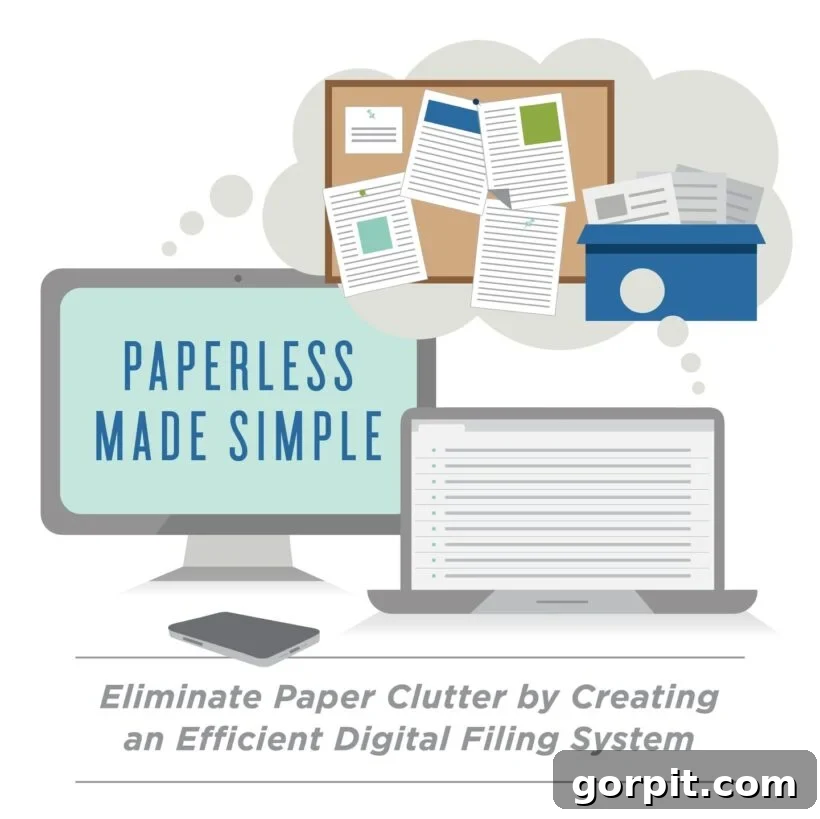
Transitioning to a paperless system isn’t inherently difficult, but it often requires learning new, efficient tools and workflows. This is where specialized guidance can be incredibly valuable. We highly recommend exploring resources like Donnie and Abby Lawson’s Paperless Made Simple course. Having maintained a paperless home for over a decade, they’ve perfected a robust system using a simple tool called Evernote.
Paperless Made Simple is a practical, step-by-step course that covers the theory, technical setup, and daily workflow for creating and utilizing a digital filing cabinet. Integrating their streamlined paperless workflow into your routine can eliminate paper clutter with minimal extra effort, becoming second nature once mastered. Tackling your paper problem effectively will drastically reduce one of the most common sources of household clutter.
The Basic Steps for Decluttering Any Space In Your Home
While each room presents unique challenges, the core process of decluttering remains consistent. Follow these fundamental steps for every space you tackle.
The First Two Steps of the Decluttering Process for Every Room and Space In Your Home
- Quick Sweep for Misplaced Items: Begin with a swift sweep of the room, identifying and removing any items that clearly belong elsewhere. Use a designated basket or container to gather these “out-of-place” items. Don’t overthink this step; simply return children’s toys to bedrooms, books to bookshelves, etc. This initial pass quickly clears superficial clutter without requiring complex decisions.
- Centralize All Paper: Collect all paper from the space and place it in a designated area for processing alongside all other household paper. By consolidating paper, you can address it all at once, ideally with a paperless system in place. This prevents paper from migrating and becoming new clutter in another area.
Once these two initial, quick steps are complete, your space is prepped, and you’re ready to dive into the sorting process.
Create a Sorting System: The Three-Box + Trash Bag Method
To prevent making a bigger mess while decluttering, implement a simple sorting system. We recommend the “Three-Box + a Trash Bag Method.” Gather three cardboard boxes and label them “Keep,” “Donate,” and “Sell.” Having separate boxes for donations and items to sell is advisable, as donated items should ideally leave your home much faster than those you plan to sell. The trash bag is for immediate discards.
The following steps apply universally to every room you intend to declutter. Any room-specific considerations will be addressed later in this guide.
Throw Away Anything That’s Broken, Expired, or Missing Pieces Immediately
This step seems obvious, yet it’s surprisingly challenging for many. If an item is broken beyond repair, has missing pieces rendering it unusable, or has passed its expiration date, it goes directly into the trash bag. Resist the urge to hold onto it with the hope of fixing it “someday” or finding the missing part. Make peace with letting it go; its current state means it serves no purpose. This decisive action provides immediate wins and clears significant space.
Decide Whether to Keep, Sell, or Donate What’s Left: Applying the Ground Rules
With the broken and expired items gone, you’ll now focus on the remaining items, applying the crucial ground rules established earlier:
- To Keep: An item must have a permanent, designated home. It must either serve a current, practical purpose OR be something you genuinely and absolutely love. If it doesn’t meet both criteria, reconsider keeping it.
- To Donate: Items you no longer need but are still in good condition can be donated. Ensure these items are quickly moved out of your house to avoid creating new “donate clutter.”
- To Sell: For items with potential resale value, place them in the “Sell” box. Crucially, set a firm deadline for selling these items. If they haven’t sold by that date, commit to donating or discarding them. Don’t let your “sell” pile become permanent storage.
Be Realistic About What You Can and Should Sell
When you encounter an item and think, “This is worth something! I should sell it,” pause and be brutally honest with yourself. Ask these two critical questions:
1) Is there a market for the item?
The perceived value of an item is irrelevant if no one is buying it. For instance, we once had an expensive, high-quality rear-projection TV. Despite its original cost, there was absolutely no market for it because flat-screen TVs had become so affordable and versatile (you can even display art on smart TVs to mimic a high-end Frame TV!). In fact, many charity organizations no longer accept old, bulky TVs. What matters is the current market demand. Conversely, a few years ago, we easily sold a well-maintained Pottery Barn sectional sofa for nearly $900 because there was a strong demand for quality used furniture. If you’re unsure about market demand, browse platforms like Craigslist, eBay, or local Facebook Marketplace groups to gauge interest in similar items.
2) Is it worth my time to sell it?
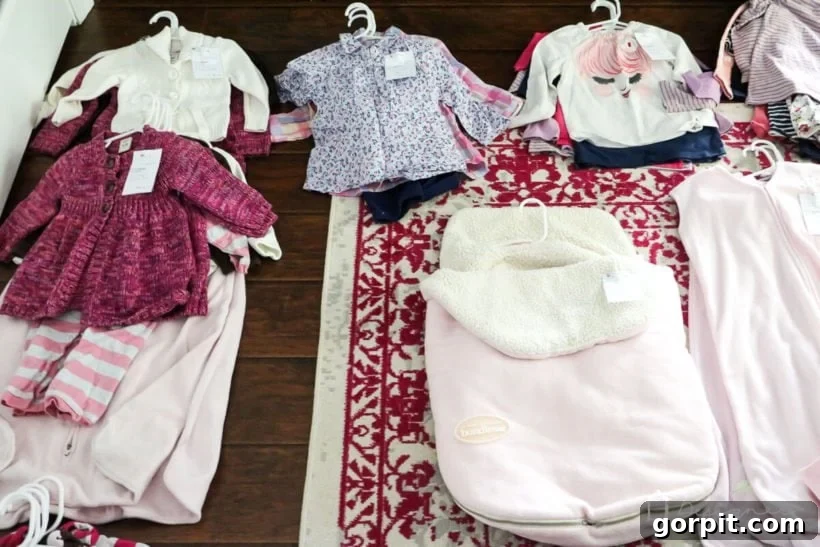
Selling items takes time – listing, photographing, communicating with potential buyers, and arranging pickup or shipping. Is the potential profit worth this time investment? Selling an item for $5 or $10 might not be worth your valuable time. The primary exception to this is selling multiple small items at a consignment sale (e.g., children’s clothing). While each piece might only fetch a small amount, the cumulative profit can make the effort worthwhile if you choose the right venue.
If the answer to either of these questions is “no,” then donating the item is likely the better choice. It can be hard to reconcile the perceived “loss” of money, but the relief of letting go and reclaiming your space is invaluable. Moreover, your unwanted items can bring joy and utility to someone else in need, which is a reward in itself.
How to Declutter Your Home Room-by-Room: Targeted Strategies
Now that you’re familiar with the foundational steps and mindset for decluttering any space, let’s explore more specific strategies for the rooms most people find challenging. While covering every single room would turn this into a book, we’ll focus on the areas that tend to accumulate the most clutter and demand specialized attention.
Decluttering Your Kitchen: The Heart of the Home
The kitchen, often hailed as the heart of the home, is a hub for countless activities: cooking, homework, family meals, conversations, and the daily comings and goings. This multi-functional nature makes it one of the hardest rooms to keep organized and clutter-free. Kitchen countertops and internal storage often present the biggest hurdles, but maintaining a tidy kitchen is paramount for both functionality and enjoyment.
Countertops: The Largest Flat Surface Trap
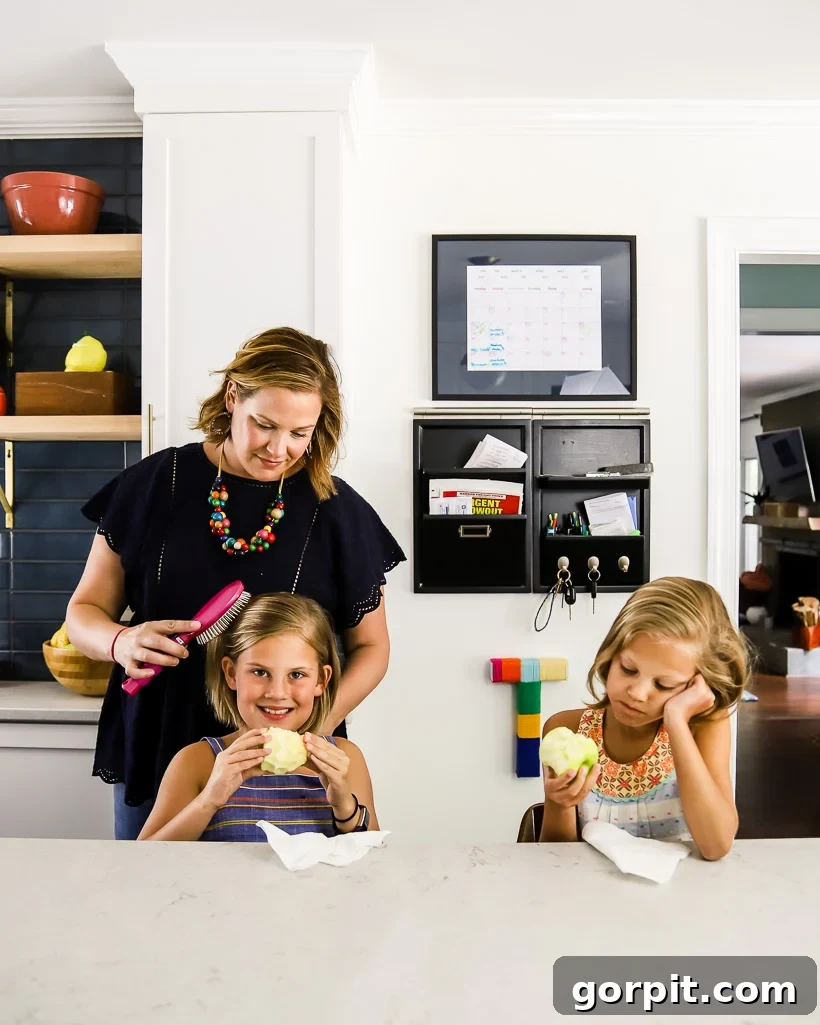
Kitchen counters, being large, flat surfaces, often become default landing zones for everything imaginable: mail, books, magazines, school papers, groceries, and various appliances. This accumulation severely hinders the kitchen’s primary function and detracts from its beauty. (And who wants to cover up beautifully painted marble-look countertops, right?!) The key to pristine countertops is establishing and strictly enforcing a clear “no-clutter” policy.
- ✓ Clear All Paper: Reiterate this crucial step. Paper is a major countertop culprit. Integrating a family command center and striving to go paperless will dramatically simplify keeping your counters clear.
- ✓ Keep Only Absolute Necessities Out: Limit countertop items to only those used daily. For many, this might include a coffee maker, toaster, olive oil, salt and pepper by the stove, and dish soap by the sink. If you can reduce this even further, do so. A clean, clutter-free kitchen significantly reduces stress and makes meal prep more enjoyable. It also streamlines tasks like unpacking groceries.
- ✓ Creative Solutions for Tiny Kitchens: If you have a small kitchen with limited cabinet space, the temptation to use countertops for storage is strong. However, numerous clever solutions exist. Explore genius storage ideas for small kitchens to maximize every inch of vertical and internal cabinet space.
Cabinets & Drawers: Maximizing Prime Kitchen Real Estate
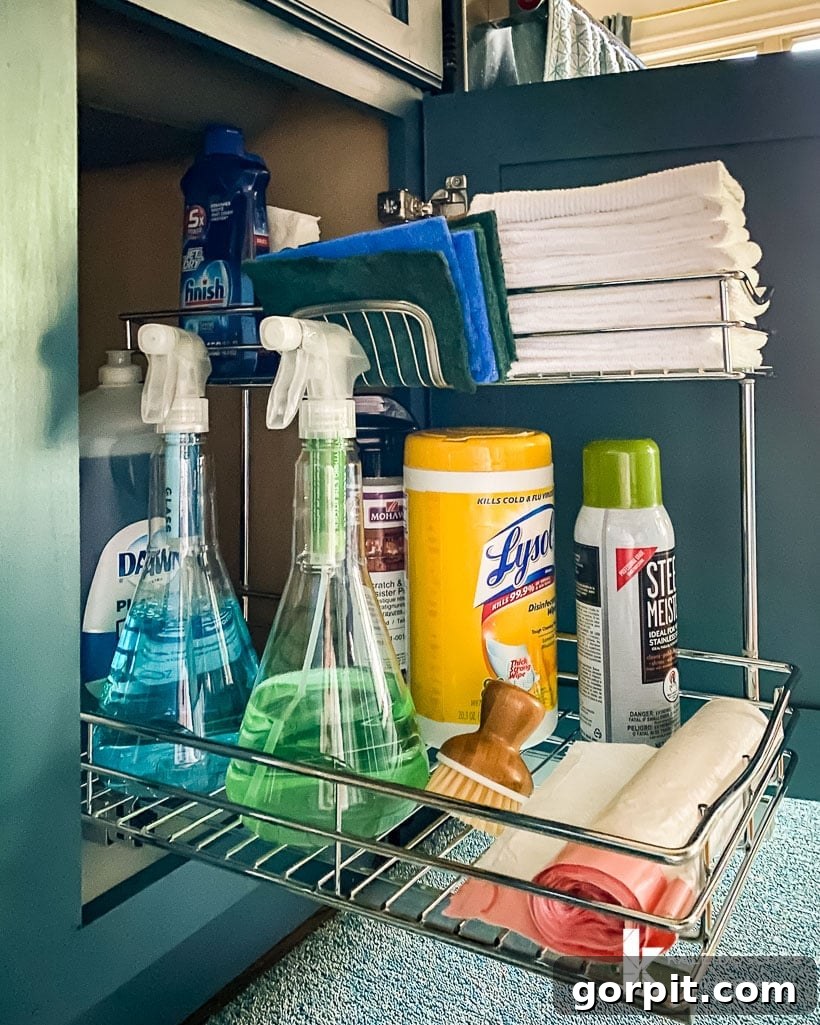
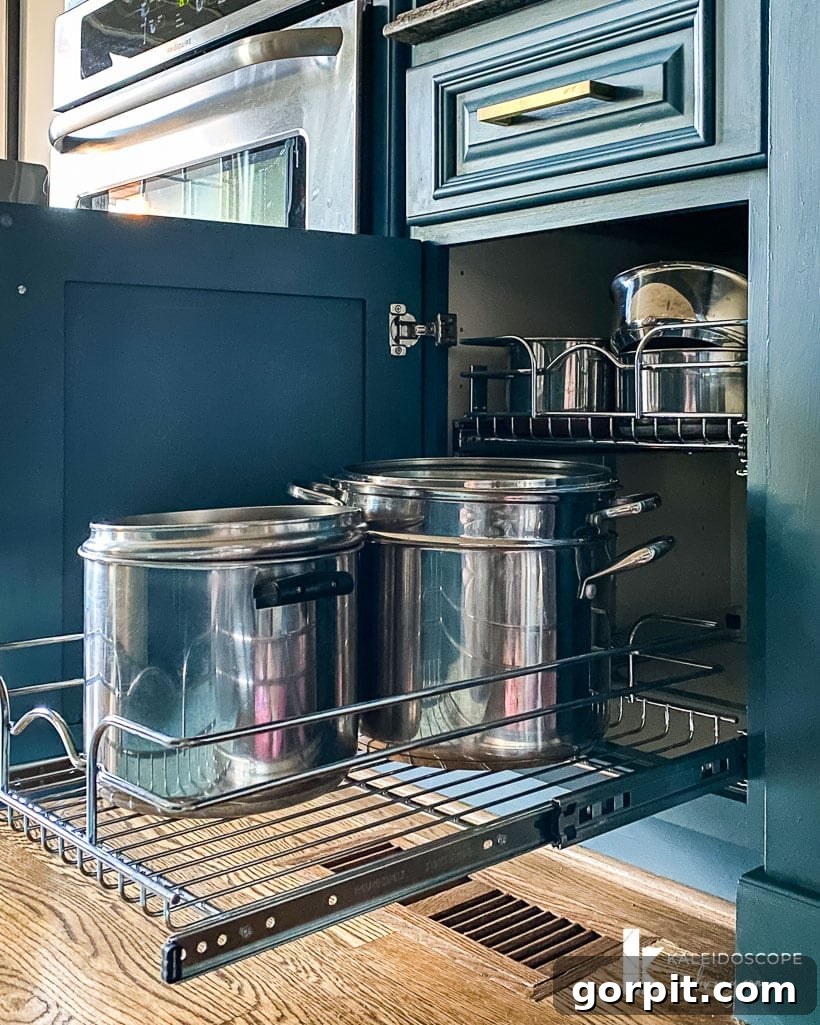
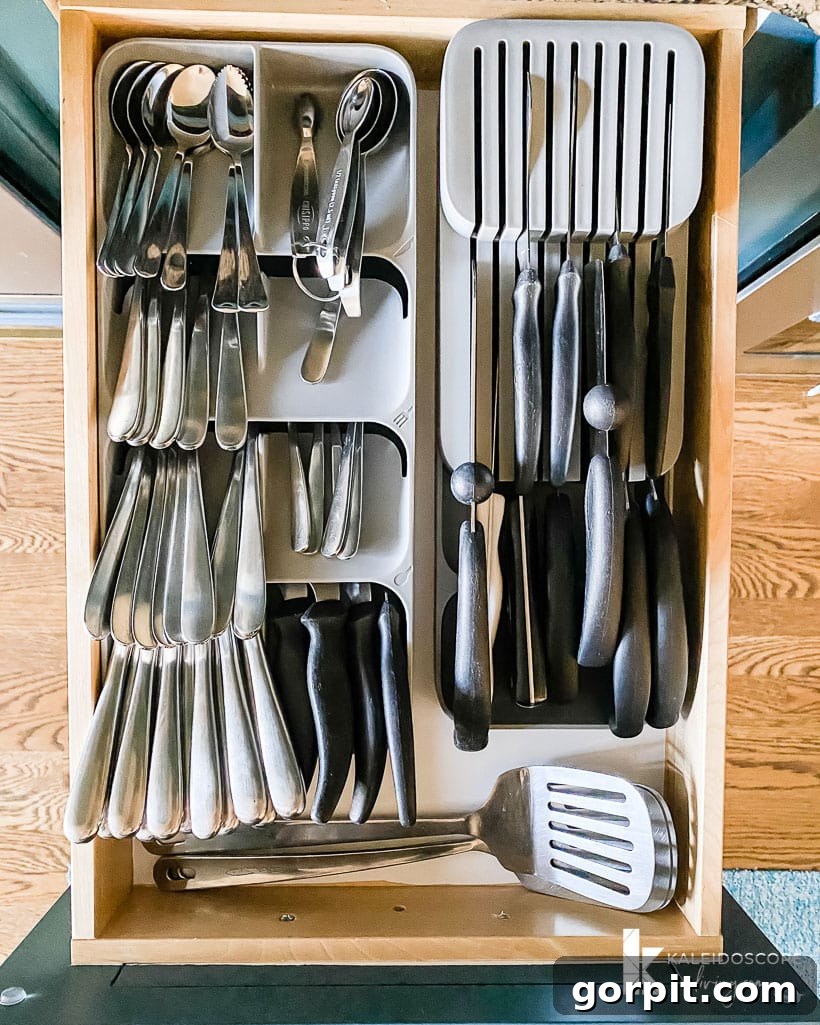
Kitchen cabinets and drawers are vital for an efficiently functioning kitchen. When we renovated our current home’s kitchen, we not only painted the cabinets but also dedicated significant effort to decluttering and organizing them for optimal family use. Crammed cabinets are highly inefficient. While a full guide to kitchen cabinet organization is beyond this article’s scope, these tips offer a great starting point:
- ✓ Eliminate Duplicate Utensils: Do you really need five spatulas, three hand whisks, or two vegetable peelers? Likely not. Removing unnecessary duplicates frees up substantial valuable space for everyday essentials.
- ✓ Reduce Pots and Pans: Most households own more pots and pans than they actively use, and these items consume a tremendous amount of space. Be honest about what you truly need and use regularly.
- ✓ The 12-Month Rule: If you cannot recall using an item in the past 12 months, it’s a strong candidate for removal. Unless it’s a seasonal item or deeply sentimental, it’s probably clutter.
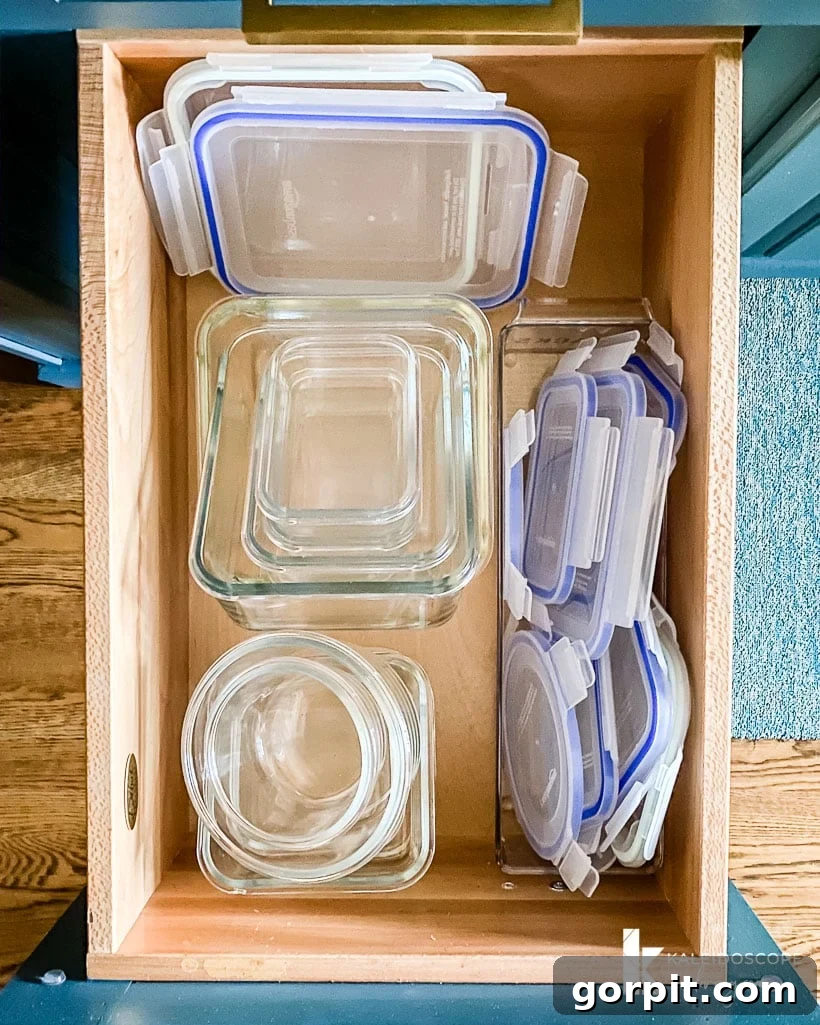
- ✓ Evaluate Food Storage: Many people have an excessive collection of food storage containers. Get rid of duplicates, odd sizes, and, most importantly, any container missing its corresponding lid.
- ✓ Relocate Rarely Used Items: Holiday dishes, special occasion serveware, or seasonal gadgets don’t need prime kitchen real estate. Store them in a less accessible area, like a console table in an entryway or in protective bags under a bed.
- ✓ Prioritize Daily Use Items: Ensure that the items you use every single day are the easiest to reach, typically on lower shelves and at the front of cabinets or drawers.
- ✓ Group Like Items: Store similar items together. All baking supplies in one area, all pots and pans together, all food storage containers in another. This creates a logical system that makes finding and putting away items much faster.
Observing these concepts in action can provide inspiration for your own kitchen transformation. Consider adding organizational products to your cabinets and drawers to enhance their functionality.
Explore recommended products to optimize your kitchen storage.
Decluttering Your Bathroom(s): A Quick and Satisfying Win
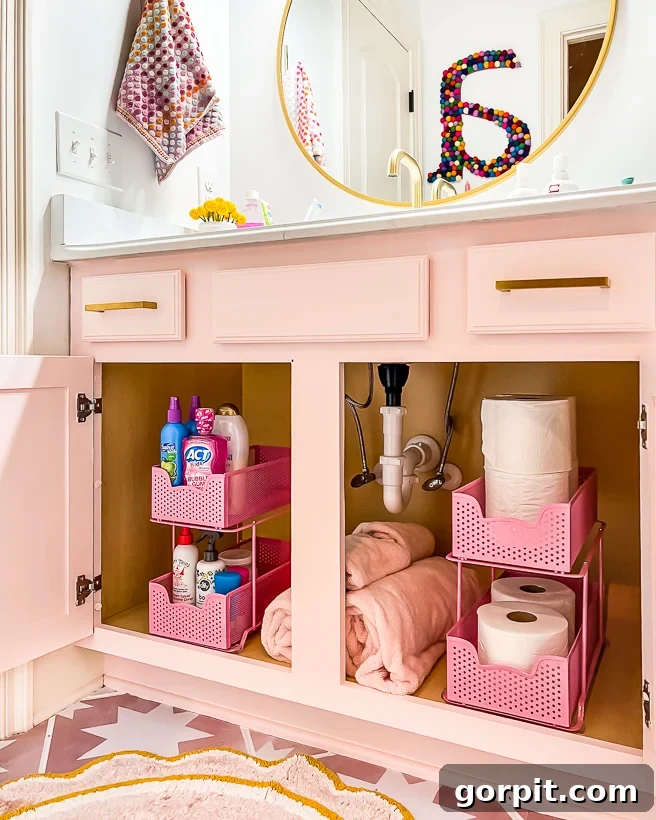
Aside from the kitchen, bathrooms are notorious for accumulating significant clutter, often second only to attics and garages. The sheer volume of cosmetics, shampoos, makeup, dental samples, travel-sized bottles, and various toiletries can quickly transform a serene space into a chaotic mess. Fortunately, bathrooms are also one of the easiest and quickest rooms to declutter, offering a satisfying and immediate impact.
- ✓ Purge Old Towels and Washcloths: Towels take up a surprising amount of space. Many people hold onto an excessive number of old, unused towels. If they are no longer in good condition for personal use, either discard them or repurpose them as cleaning rags and store them outside the bathroom.
- ✓ Clear Flat Surfaces: Remove as much as possible from your bathroom counters. Aim to keep only absolute daily necessities visible. After decluttering your drawers and cabinets, you should find ample space to store items that were previously cluttering your counters.
- ✓ Sort Through Each Drawer and Cabinet Systematically: Arm yourself with trash bags – you’ll likely be discarding a lot! Go through each drawer, medicine cabinet, and under-sink cabinet, applying these focused tips:
- Discard Unloved Products: Have you ever bought a shampoo or lotion that didn’t work for you, but you kept it “just in case”? It’s time to throw it away or donate it to a shelter if it’s usable. Get rid of anything you genuinely dislike or that doesn’t serve its purpose.
- ruthlessly Check Expiration Dates: All medicines, including over-the-counter varieties, have expiration dates. Many toiletries and cosmetics do too. Check every single date. If it’s expired, it goes into the trash. Period.
- Understand Makeup Shelf Life: Makeup can harbor bacteria, making it essential to know when to replace it.
- Eye Makeup: Mascara, eyeliner, and eyeshadows should generally be discarded after 3 to 4 months. The delicate mucous membranes around your eyes are sensitive, and old products can lead to irritation or even infections.
- Liquid Foundations and Concealers: Toss these after 6-12 months of opening. Stick concealers can last up to 2 years.
- Powder-Based Products: Powders, bronzers, and blushes typically have a shelf life of up to 2 years, with the exception of powder eyeshadows (3-4 months).
- Lip Products: Lip gloss should be replaced after 6 months, while lipstick can last up to a year.

Decluttering Your Living Room: Creating a Relaxing Sanctuary
If the kitchen is the home’s heart, the living room is undoubtedly its soul. It’s where families gather for relaxation, entertainment, work, and sometimes even meals (don’t tell the kids!). This multi-functional nature makes it incredibly prone to becoming a catch-all for various items, leading to a cluttered and unrelaxing environment. These tips will help you transform your living room into an organized sanctuary you can truly enjoy.
- ✓ Remove Oversized or Obstructive Items: Start by identifying anything that is simply too large for the room’s scale or constantly impedes traffic flow. An oversized piece of furniture, while perhaps loved, can make a room feel cramped and contribute to a sense of clutter.
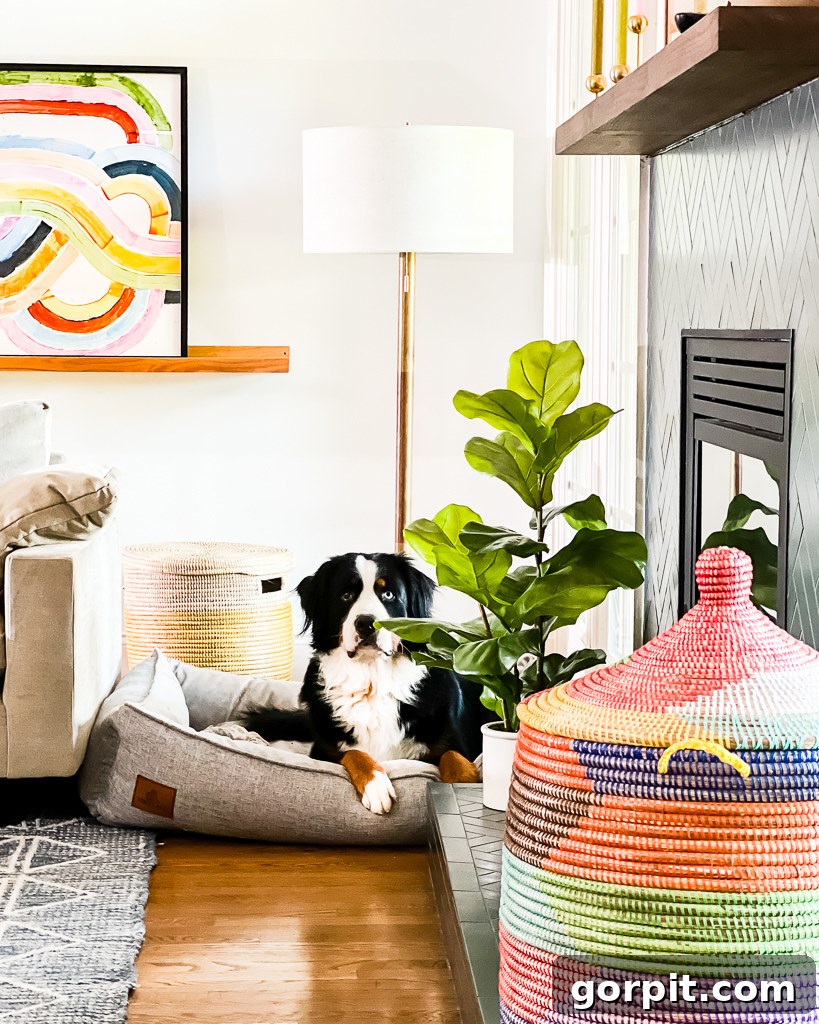
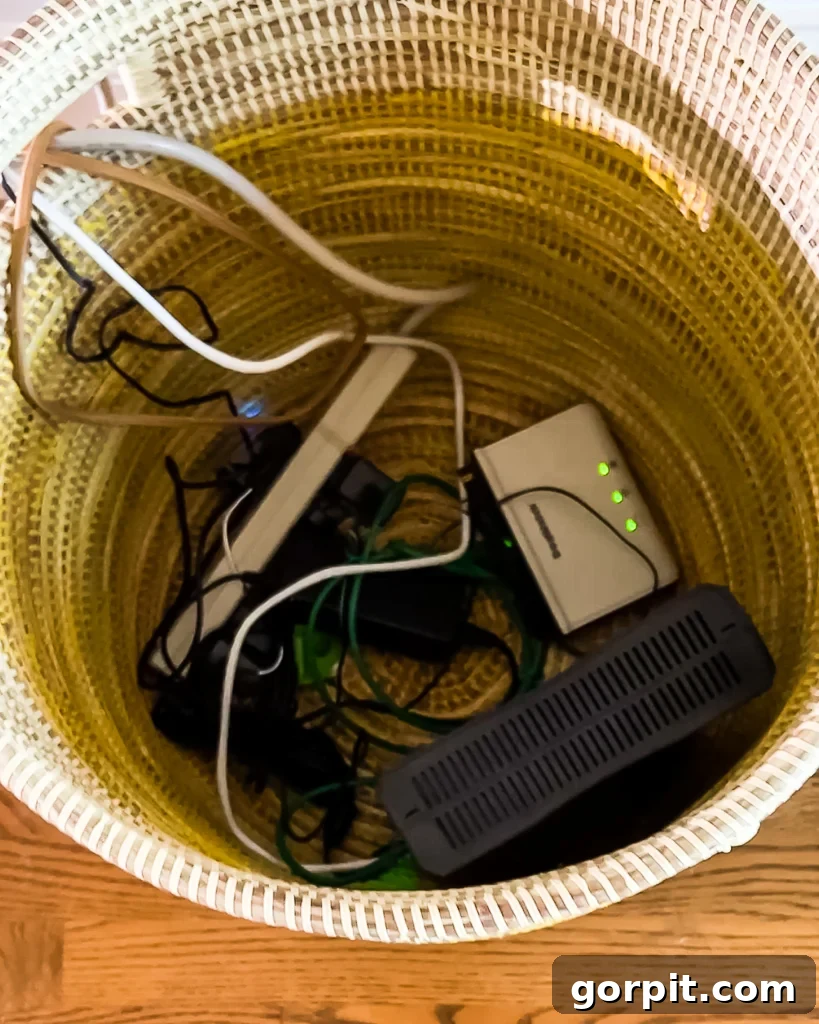
- ✓ Tame the Cord Chaos: While cords are technically functional and not clutter, visually, they can be a huge detractor. Untamed cables create a messy appearance, even in an otherwise organized room. Invest time in managing and hiding cords and cables. For example, a stylish basket can discreetly house routers, power strips, and other devices behind a sofa, transforming an unsightly mess into a cohesive part of your decor.
Below are some excellent options for effective cord management solutions.
Scroll and click on any image below for full product details
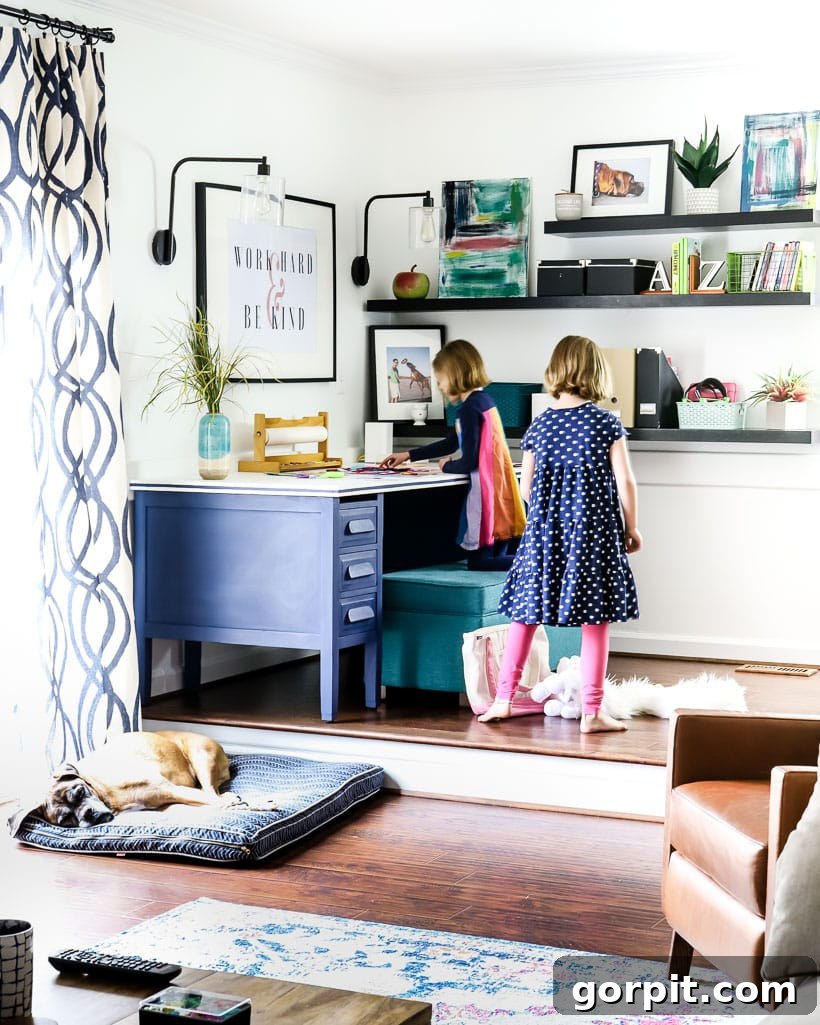
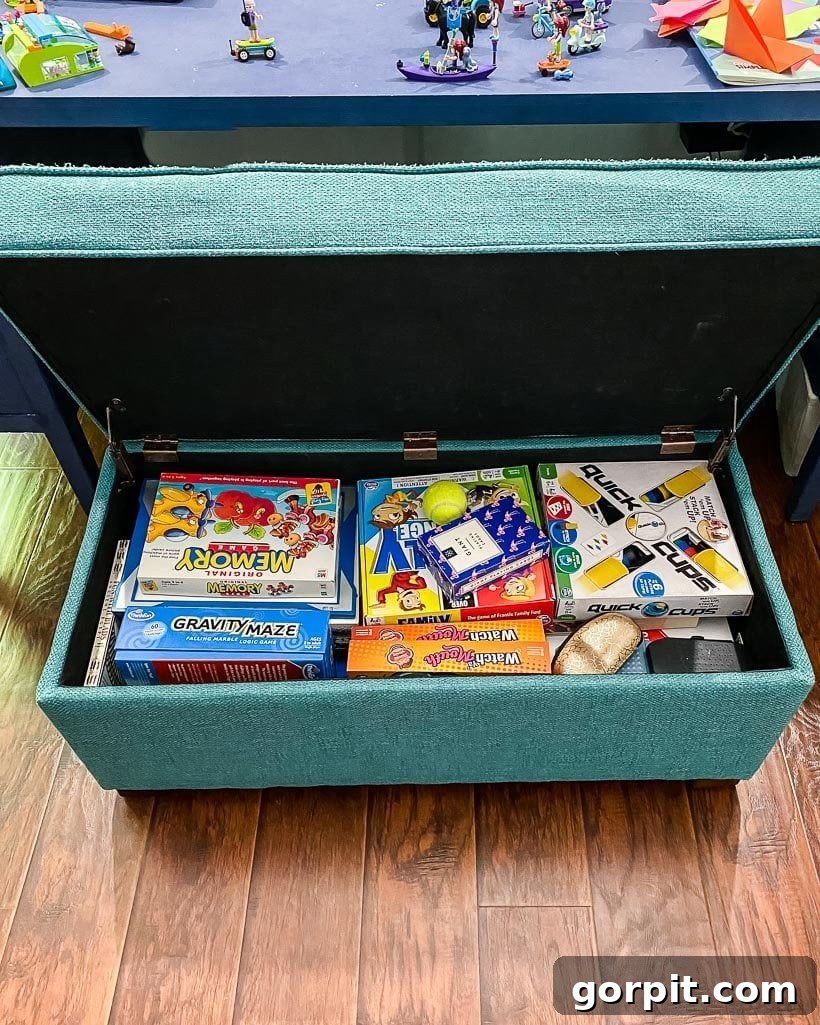
- ✓ Create a Dedicated Toy Zone (If No Playroom): For families with children, if a dedicated playroom isn’t an option, it’s essential to create a specific, organized toy zone within the living room. This might involve storage benches, decorative bins, or cabinet systems that neatly contain toys, games, and crafts. Practical and aesthetically pleasing organization solutions are key to maintaining order in a multi-purpose living space.
Tips for Maintaining a Clutter-Free Home: The Long Game
You’ve absorbed a wealth of information on how to declutter your home, and that’s a fantastic start! Now, let’s address the long-term goal: maintaining that newfound order.
Remember, decluttering is a marathon, not a sprint. Any progress, even if it’s just 10 minutes a day or an hour a week, is a significant achievement. It’s unrealistic for most people to magically declutter an entire home in a weekend or even a month without professional help. Embrace the journey and celebrate each small victory.
Crucially, decluttering is never truly “done,” even after you’ve tackled every space. You must continuously manage “daily clutter” such as incoming mail, dirty laundry, and children’s toys. The good news is that once you’ve gone through the initial decluttering process, maintaining a tidy home can be achieved with surprisingly little effort – perhaps just 10 minutes a day, or a dedicated hour weekly if that suits your schedule better. By consistently addressing daily clutter as it enters your home (a family command center can be immensely helpful here!), you’ll prevent accumulation and avoid ever feeling overwhelmed by mess again.
Furthermore, cultivate a mindful approach to bringing new items into your home. Before making any new purchase, ask yourself: “Do I truly need this, and do I have a designated, permanent place for it?” If the answer to either question is “no,” then it’s best to leave it at the store. This “one-in, one-out” mentality is a powerful preventative measure against future clutter.
Once you feel confident that your clutter is under control, you can then shift your focus to more detailed organization and, finally, to decorating your home – which is often the most enjoyable part! We have a plethora of interior design tips ready for you when you reach that exciting stage!
Other helpful decluttering and organizing posts you may enjoy:
- How to Conquer the Emotions of Decluttering
- Linen Closet Organization: 7 Simple Tips for a Pretty and Functional Linen Closet
- How to Organize Your Life With Work + Kids
- Coat Closet Organization for Under $100
- How to Get Rid of Paper Clutter & Go (Mostly) Paperless
- Simple Playroom Storage Ideas to Keep the Mess to a Minimum
- Genius Garage Storage Ideas To Get You Organized
Curious about how to approach transforming rooms and spaces in your home? Discover the methodologies within Designer in a Binder® for an affordable and simple way to decorate your home.
For exclusive content and behind-the-scenes sneak peeks into our latest projects and tips, be sure to subscribe before you go!